A tenant moves out on Friday, your new tenant collects the keys on Monday, and somewhere in between you realise the electrics have not been tested for years. That is usually the moment landlords start asking when do landlords need EICR checks, and the answer matters because this is not just good practice. In many rental properties, it is a legal requirement.
For most private rented homes in England, landlords need a valid Electrical Installation Condition Report, or EICR, before a tenancy starts if the previous report has expired, and then at least every five years after that. If the report states a shorter interval, you follow that instead. The aim is simple – to make sure the fixed electrical installation is safe for tenants to use.
When do landlords need EICR by law?
The key rule for private landlords is that the electrical installation in the property must be inspected and tested by a qualified person at intervals of no more than five years. Once that inspection is carried out, the landlord must obtain a report and keep it available for tenants and, where required, the local authority.
In practice, that means an EICR is needed in a few common situations. The first is before a new tenancy begins, if there is no current satisfactory report in place. The second is when the existing report reaches its expiry date. The third is earlier than five years if the electrician recommends a shorter period because of the age, condition or type of installation.
This is where some landlords get caught out. They assume an EICR runs for a fixed five years in every case. Often it does, but not always. If the report says the next inspection is due in three years, that becomes the date that matters.
Which landlords need an EICR?
The requirement generally applies to private rented residential properties where tenants occupy the home as their main residence. That covers many standard buy-to-let houses and flats.
There can be differences depending on the tenancy type and property use, so it is sensible to check where a property falls if it is a house in multiple occupation, a holiday let, social housing arrangement, or tied accommodation. The broad point is that if you let out a residential property privately, you should assume electrical safety testing needs attention unless you have confirmed otherwise.
For landlords with more than one property, consistency helps. Keeping the same review process across the portfolio makes it far less likely that a certificate expires unnoticed.
What counts as a valid landlord EICR?
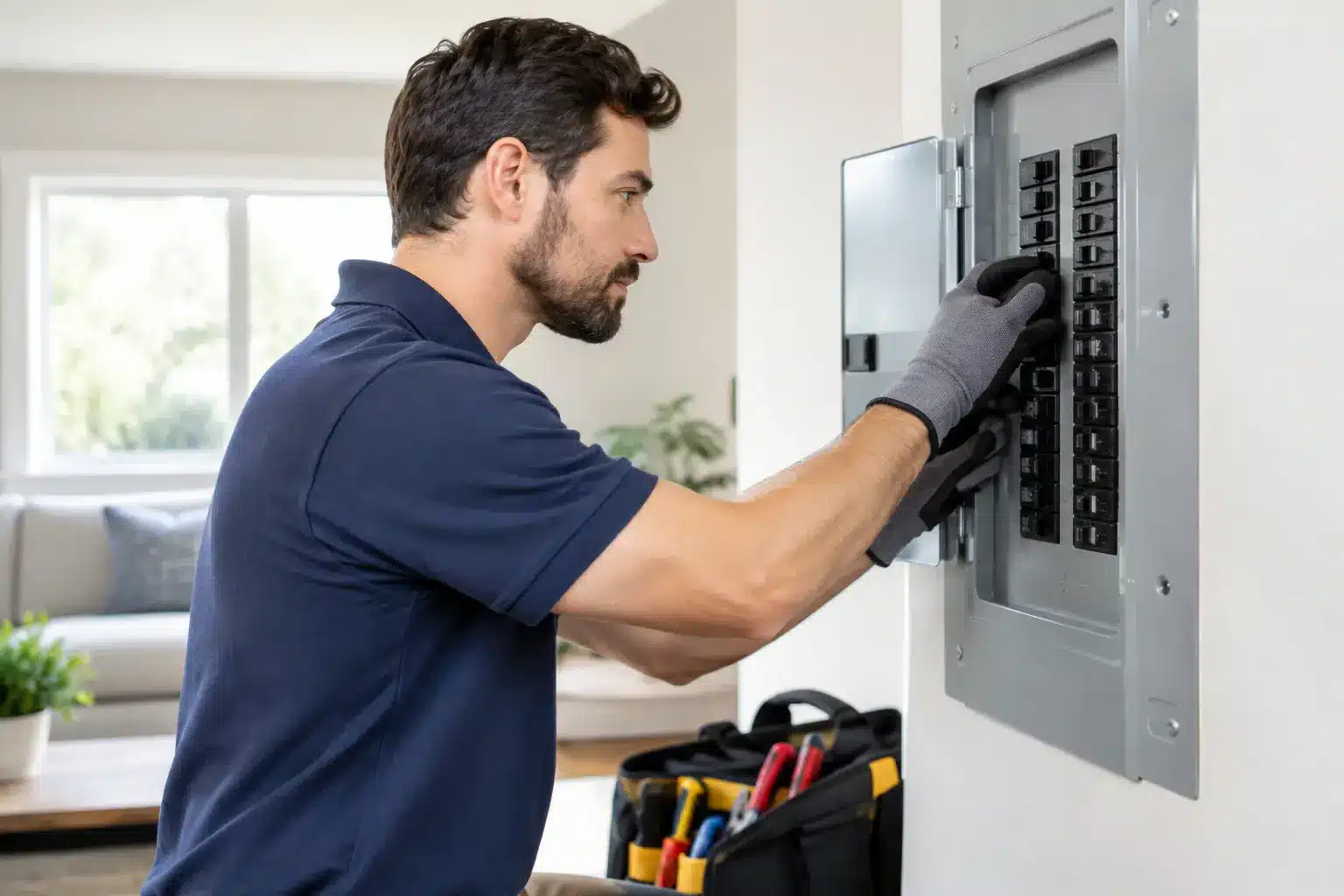
A valid EICR is more than a quick look at sockets and a glance at the consumer unit. It is a formal inspection and test of the fixed electrical installation, including items such as wiring, accessories, fuse boards and protective devices.
The electrician checks whether the installation is safe for continued use and whether it shows signs of damage, deterioration, poor workmanship or non-compliance with current safety standards. The report then records observations using coding that shows the level of urgency.
A satisfactory report means the installation is considered safe for ongoing use at the time of inspection. An unsatisfactory report means faults have been found that need remedial work. In that case, the job is not finished just because the inspection has been done. The landlord then has to act on the findings.
What happens if the EICR is unsatisfactory?
This is often the part landlords worry about most, but an unsatisfactory report is not unusual, especially in older properties. It simply means the installation needs work before it can be treated as compliant.
Codes matter here. Some issues indicate immediate danger, while others point to potentially dangerous conditions or further investigation that is required without delay. Common examples include lack of earthing or bonding, damaged accessories, overloaded circuits, outdated consumer units, or signs that previous alterations were not carried out properly.
Where remedial work is required, it usually needs to be completed within 28 days, or sooner if the report says so. Once the work has been done, written confirmation should be obtained from a qualified person to show the property has been brought up to a satisfactory standard.
That timing is one reason not to leave testing until the last minute. If a report expires just before a new tenancy and faults are found, you may be left trying to organise repairs under pressure.
When do landlords need EICR checks between tenancies?
Landlords do not automatically need a new EICR at every change of tenant if the current one is still valid. That is a common misunderstanding. If you have a satisfactory report that remains in date, you can usually rely on it for the new tenancy.
Even so, a change of tenant is a sensible point to review the electrical condition of the property. Heavy wear, DIY alterations, damage, or long gaps between occupiers can all justify taking a closer look. If anything suggests the installation may no longer be safe, arranging a fresh inspection is the cautious and responsible move.
There is a practical side to this as well. A property that has had repeated call-outs for tripping electrics, broken fittings or signs of ageing wiring may technically still have time left on the report, but that does not always mean it should be left untouched until the expiry date.
What documents must landlords give tenants?
After the inspection, the landlord should supply a copy of the EICR to existing tenants and give a copy to new tenants before they move in. If the local authority asks for it, it must also be provided within the required timescale.
Good record keeping matters. Keep the report, any remedial certificates, invoices and confirmations together. If there is ever a complaint, a dispute, or a request from the council, being able to show a clear paper trail saves time and stress.
For managing agents and portfolio landlords, this is where systems make a difference. A calendar reminder on its own is rarely enough once multiple properties are involved.
How long does an EICR take and what should landlords expect?
The time needed depends on the size and condition of the property. A small flat may take less time than a larger house, while an older property with dated wiring or several circuits may need a more detailed inspection.
The power may need to be switched off during parts of the test, so access and tenant communication should be arranged properly. If the electrician cannot reach all areas, the report may be limited, which is not ideal for compliance or peace of mind.
Landlords should also expect honest findings, not a tick-box exercise. A proper EICR is there to identify risk, not to produce the answer you hoped for. If faults are present, it is better to know and put them right than leave tenants exposed and problems building in the background.
Why timing matters more in older rentals
Older rented properties often need closer attention. A house that has been rewired relatively recently and maintained well may pass without much issue. A property with older accessories, a dated fuse board, mixed wiring ages, or a history of piecemeal alterations is more likely to produce observations that need action.
That does not mean every older property is unsafe. It means the condition of the installation matters more than assumptions. We often see landlords delay testing because everything appears to be working. The trouble is that electrical faults do not always announce themselves clearly before they become dangerous.
If your property is older, has had several tenants, or has not had major electrical work for a long time, early testing gives you options. It is easier to schedule remedial work around a tenancy plan than to react to an urgent issue later.
A practical way to stay compliant
The simplest approach is to treat the EICR as part of routine property management rather than a last-minute legal task. Check the date on your current report, read whether the next inspection is due in less than five years, and book ahead rather than waiting for the deadline.
If you have just bought a rental property, do not assume the electrics are compliant because the lights come on. Ask for the latest report and check whether it is satisfactory, in date, and supported by evidence that any remedial work was completed. If those documents are missing or unclear, arranging a fresh inspection is the safest route.
For landlords in and around Stevenage, especially those managing older homes or frequent tenant changeovers, using a qualified contractor who understands landlord compliance can make the process far more straightforward. C.K Electrical Contractors carries out landlord EICRs and remedial works with a practical focus on safety, clear reporting and getting properties ready to let.
Electrical compliance is one of those jobs that feels easy to postpone when everything seems fine. But if you are asking when do landlords need EICR checks, the best answer is usually before it turns into a deadline problem, a tenancy delay or a safety risk.