A home can look perfectly well maintained while its electrical installation is working harder than it should. Frequent tripping, too few sockets, warm fittings and extension leads running behind furniture are all signs that it may be time to consider the best home electrical upgrades for your property. The right work does more than add convenience. It reduces risk, supports modern appliances and gives you a safer base for future improvements.
For homeowners across Stevenage and the surrounding Hertfordshire area, the priorities are usually straightforward: make the home safer, avoid disruptive work where possible and spend money on upgrades that will genuinely last. The best choice depends on the age and condition of your installation, how you use the property and whether you are planning an extension, electric vehicle or other major changes.
Start with the condition of the installation
Before choosing new fittings or smart controls, establish whether the existing wiring and protective devices are in suitable condition. An Electrical Installation Condition Report, commonly called an EICR, is particularly worthwhile in older properties, homes that have changed hands, or where you have noticed repeated faults.
An inspection can identify issues hidden behind walls and ceilings, including ageing cables, inadequate earthing, damaged accessories and circuits that no longer meet the demands placed on them. It also helps separate necessary safety work from improvements that can wait. That means you can plan your budget around evidence rather than guesswork.
If a report identifies significant defects, remedial work or a partial rewire may offer better value than adding more equipment to an installation that is already under strain. A qualified electrician can explain what needs urgent attention, what is advisory and what would make sense to combine while work is underway.
1. Replace an outdated consumer unit
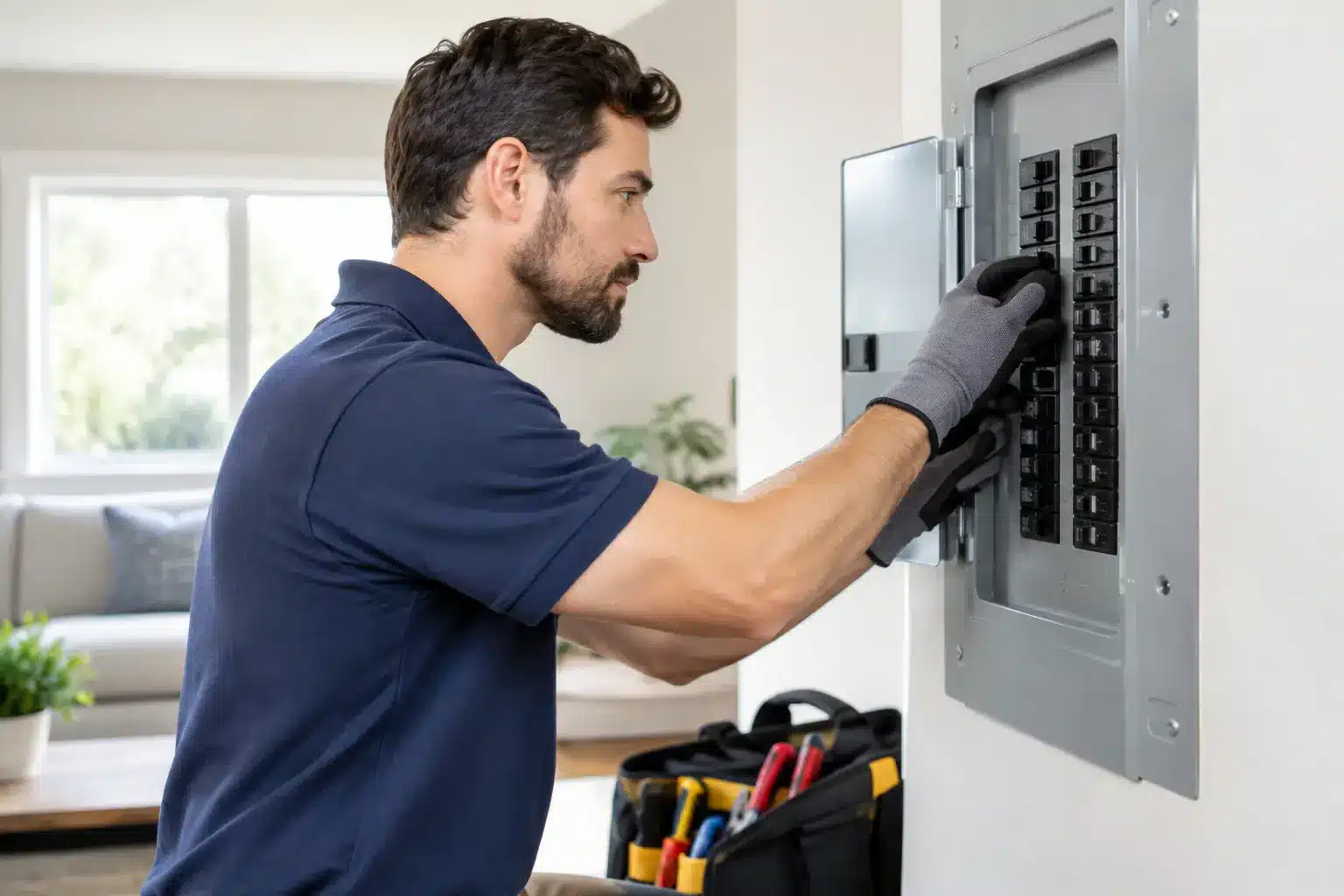
A modern consumer unit is one of the most valuable electrical upgrades for many homes. Older fuse boards may lack the level of protection expected in a modern installation, especially where new circuits, outdoor equipment or higher-load appliances are involved.
Current consumer units use circuit breakers and residual current device protection, or RCBOs, to help disconnect power quickly if a fault is detected. RCBO protection can also limit disruption because a fault on one circuit is less likely to switch off multiple areas of the house.
A replacement is not simply a case of fitting a new box. The electrician must test the installation it will protect and address any faults that could affect safety or compliance. This is why a low headline price for a fuse board change can be misleading. The condition of the existing wiring, the number of circuits and any necessary remedial works all affect the final scope.
2. Add sockets where you actually need them
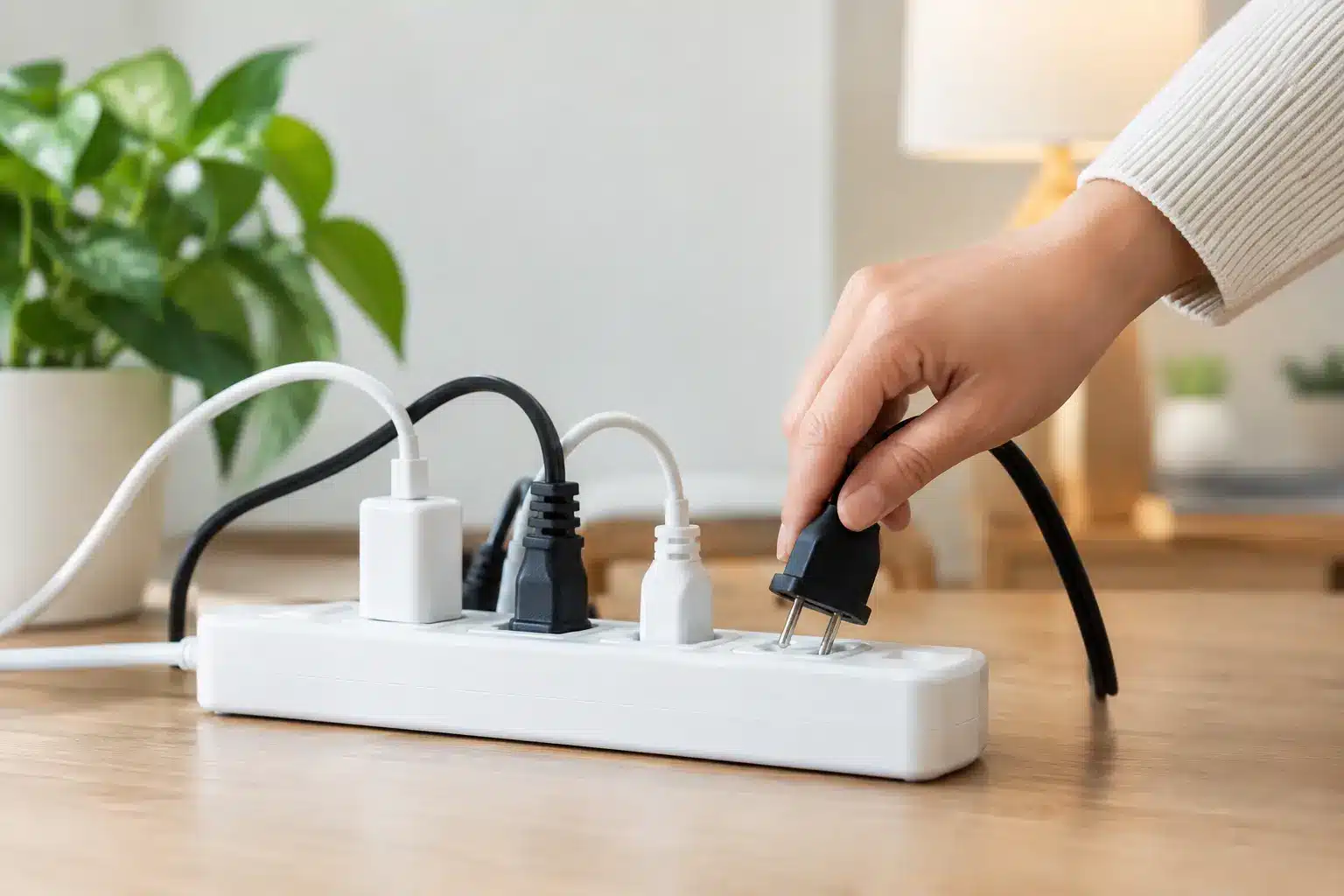
Overloaded extension leads are one of the clearest signs that a home does not have enough fixed sockets. Kitchens, home offices, bedrooms and living rooms often need more outlets than they did even ten years ago. Charging devices, televisions, routers, monitors, kitchen equipment and occasional-use appliances all compete for space.
Adding sockets in practical positions can make rooms safer and easier to use. In a home office, that may mean sockets at desk height and a dedicated circuit if the equipment demand justifies it. In a kitchen, it may mean well-placed sockets above worktops, with suitable consideration given to their position around sinks and hobs.
It is tempting to treat this as a cosmetic job, but cable routes, circuit loading and wall construction matter. A professional survey will confirm whether the existing circuit has capacity or whether a new circuit is the safer option.
3. Upgrade lighting for better control and lower use
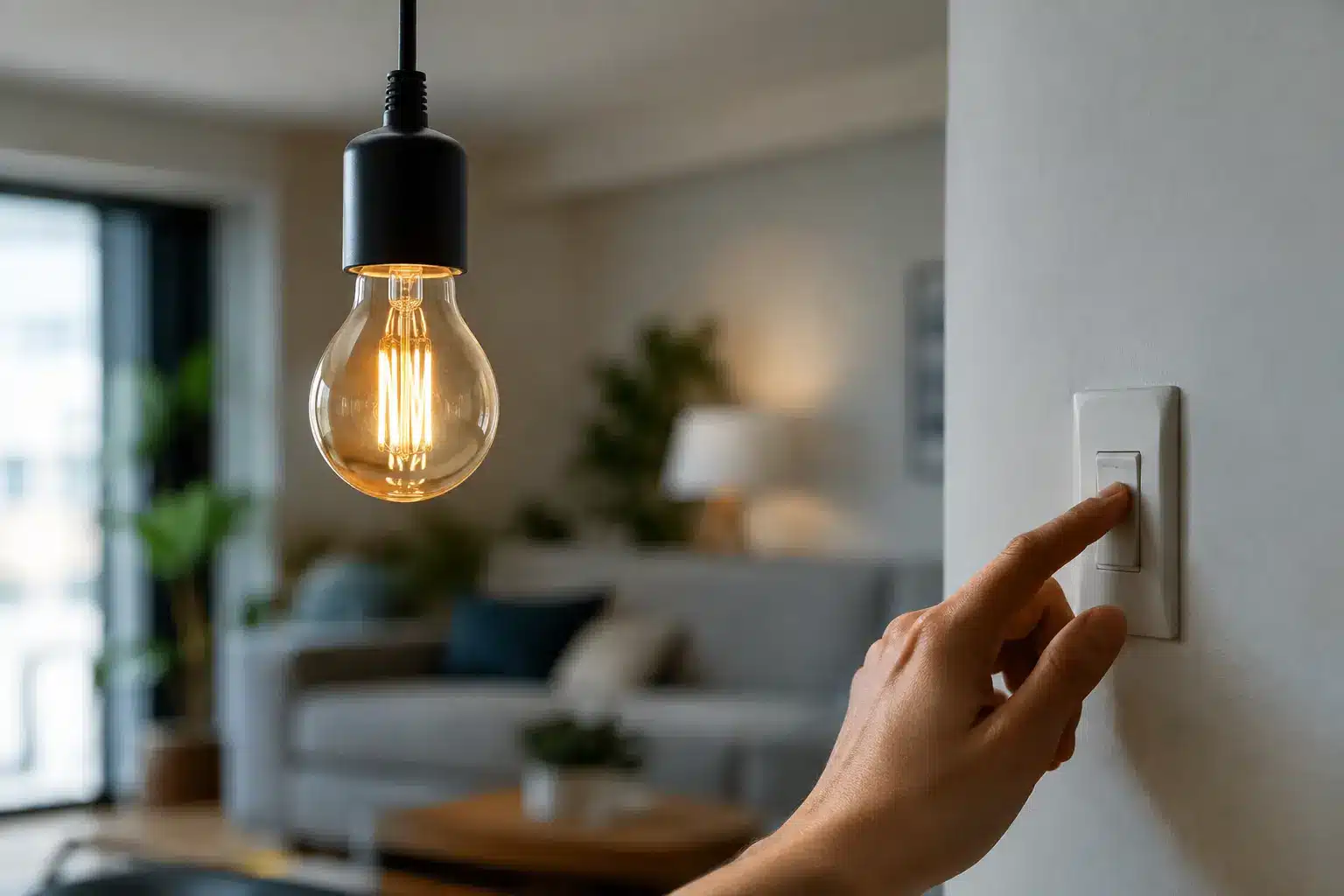
Lighting is often the quickest way to make a home feel more comfortable without major building work. Replacing older fittings with quality LED lighting can reduce energy use and maintenance, especially in kitchens, hallways, bathrooms and external areas where lights may be used frequently.
The real benefit comes from planning each room around how it is used. A kitchen may suit bright task lighting over work areas alongside softer lighting for dining. Bathrooms need fittings with the correct protection for the zone in which they are installed. Hallways and stairs benefit from clear, even illumination that reduces trip hazards.
Dimmers, occupancy sensors and timed controls can be useful, but they are not right for every fitting. Compatibility between LED lamps, drivers and dimmer switches is essential to avoid flickering or shortened lamp life. Choosing suitable equipment at the outset avoids the frustration of a new lighting scheme that does not perform properly.
4. Improve outdoor lighting and power
Well-designed external lighting improves security, visibility and day-to-day convenience. A properly fitted PIR-controlled light near a front door, driveway or side access can make arriving home easier while discouraging unwanted visitors. Lighting around steps, paths and patios is equally valuable in darker months.
Outdoor sockets are another practical addition for garden tools, festive lighting, pond equipment or occasional power use. They must be installed with appropriate weather protection and suitable circuit protection. A standard indoor extension lead pushed through a window is not a safe substitute.
Where cables run outdoors or supply a shed, garage or garden office, the installation should be designed for the environment and tested on completion. This becomes especially important when the outbuilding contains higher-load equipment, heating or a workspace.
5. Prepare properly for electric vehicle charging
An electric vehicle charger is not simply another appliance plugged into a socket. It can place a substantial and sustained load on the property’s electrical supply, so the design needs to consider the consumer unit, earthing arrangement, cable route and overall household demand.
A dedicated EV charging point is generally the safer, more practical long-term solution. Features such as load management can be particularly useful where the property has an older or limited supply, helping manage demand when other high-load appliances are in use.
The right option depends on where you park, whether the cable route is straightforward and how much capacity is available. Planning it alongside a consumer unit upgrade, driveway work or solar installation can reduce duplicated disruption later.
6. Fit smoke and carbon monoxide alarms in the right places
Reliable alarms are small upgrades with a major safety role. Mains-powered, interconnected smoke alarms can provide earlier warning throughout the home because activation of one alarm can trigger the others. This is particularly useful in larger houses, loft conversions and properties with bedrooms set away from living areas.
Carbon monoxide alarms should also be considered where there are fuel-burning appliances, such as boilers, fires or stoves. They are not a replacement for appliance servicing, but they offer an essential additional warning.
Placement matters as much as the product. Alarms should be selected and installed in line with the manufacturer’s instructions and the layout of the property. Batteries and test functions still need regular attention, even with mains-powered units.
7. Choose smart controls with a clear purpose
Smart heating controls, lighting controls and energy monitoring can be worthwhile when they solve a specific problem. A homeowner who regularly returns to an empty, cold house may benefit from programmable heating controls. Someone wanting to check that lights are off while away may value app-based lighting control.
However, smart products should not be added simply because they are fashionable. Some systems rely heavily on a stable internet connection, while others may be difficult to alter if the original installer has used a closed platform. Select equipment you can operate confidently and ensure any fixed electrical work is completed safely.
8. Consider a partial or full rewire when the evidence supports it
A rewire is the most disruptive upgrade on this list, but in the right property it is the most meaningful one. Signs can include old-style accessories, recurring faults, damaged cable insulation, insufficient circuits and a history of piecemeal alterations. Homes that have not had major electrical work for decades may also struggle to support modern living safely.
A full rewire allows the installation to be designed around the property as it is used now. That can include more sockets, dedicated kitchen circuits, modern lighting, network cabling, outdoor power and capacity for future additions. If you are renovating, replastering or extending, this is often the best time to assess whether rewiring should be included.
The trade-off is disruption. Floors and walls may need to be opened to route cables, and redecoration is often required afterwards. Careful planning, clear quotation and experienced workmanship make a significant difference to how smoothly the project runs.
How to prioritise home electrical upgrades
Safety issues should always come first. Faults identified during testing, damaged accessories, overheating, electric shocks or repeated tripping need prompt professional attention. After that, prioritise upgrades that remove unsafe workarounds, such as overloaded extensions or unsuitable outdoor supplies.
Then consider the changes you expect over the next few years. A planned kitchen refurbishment, loft conversion, garden office, EV purchase or new heating system may affect what should be done now. Combining compatible work can be more cost-effective than reopening finished walls later.
For work on your home, choose an appropriately qualified electrician who will inspect the existing installation, explain the options clearly and provide the relevant certification on completion. C.K Electrical Contractors brings more than 20 years of hands-on experience to domestic electrical work across the local area, from straightforward additions to larger upgrade projects.
A well-planned electrical upgrade should leave your home easier to live in, not just better equipped. Start with the condition of what is already there, make safety the first decision, and build in enough capacity for the life you expect your home to have.