A failed kettle, damaged extension lead or ageing fuse board can all create risk, but they do not call for the same inspection. When deciding between PAT testing or EICR, the key question is simple: are you concerned about a portable appliance, or the fixed wiring that supplies it? Both checks support electrical safety, yet neither replaces the other.
For homeowners, landlords and business owners, understanding the difference helps you arrange the right work, meet your responsibilities and avoid paying for testing that does not address the issue at hand.
PAT Testing or EICR: the key difference
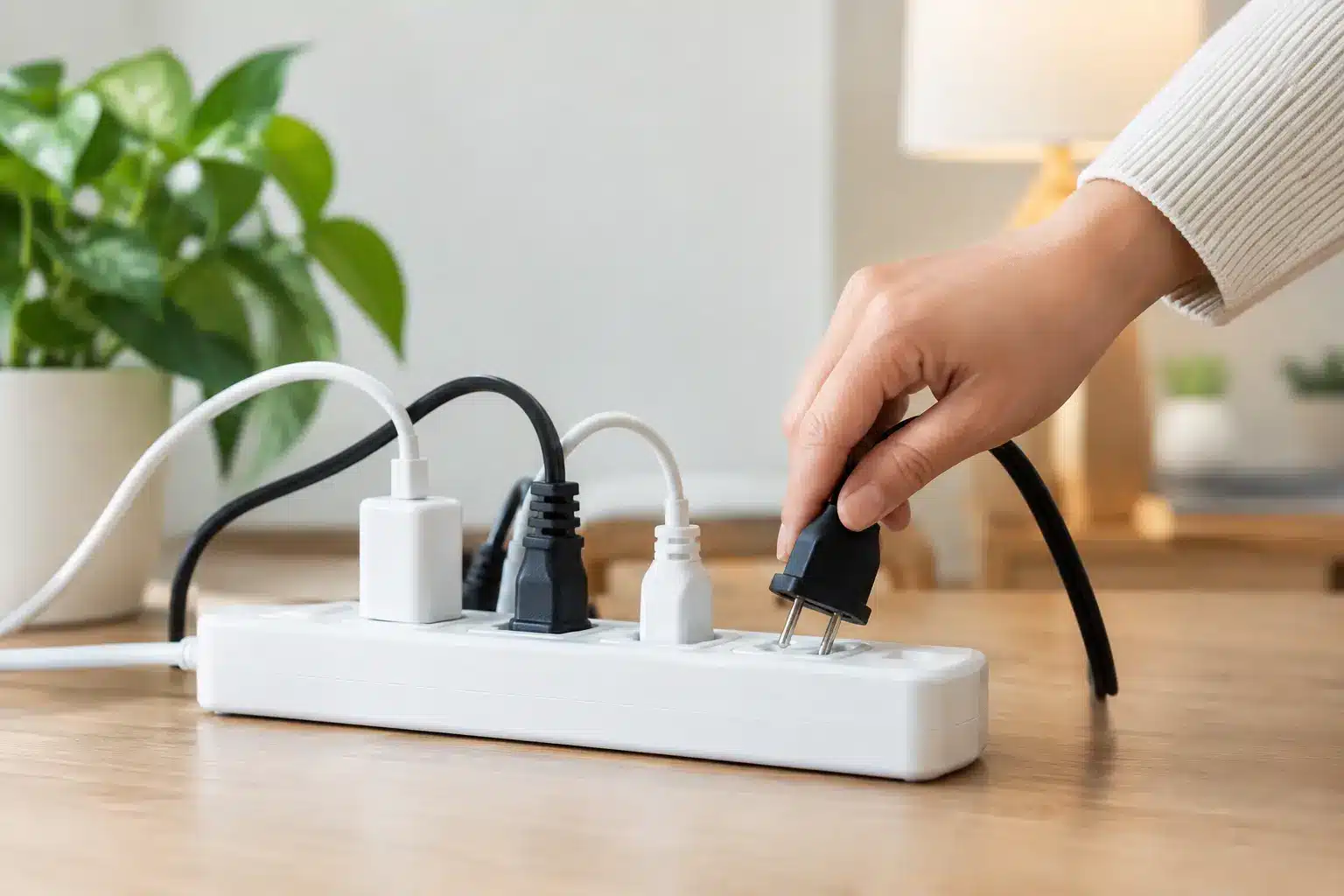
PAT testing relates to electrical appliances that plug into a socket or are connected by a flexible lead. The familiar name means Portable Appliance Testing, although many professionals now refer to it as in-service inspection and testing of electrical equipment. It may cover items such as kettles, monitors, computers, microwaves, power tools, extension leads and portable heaters.
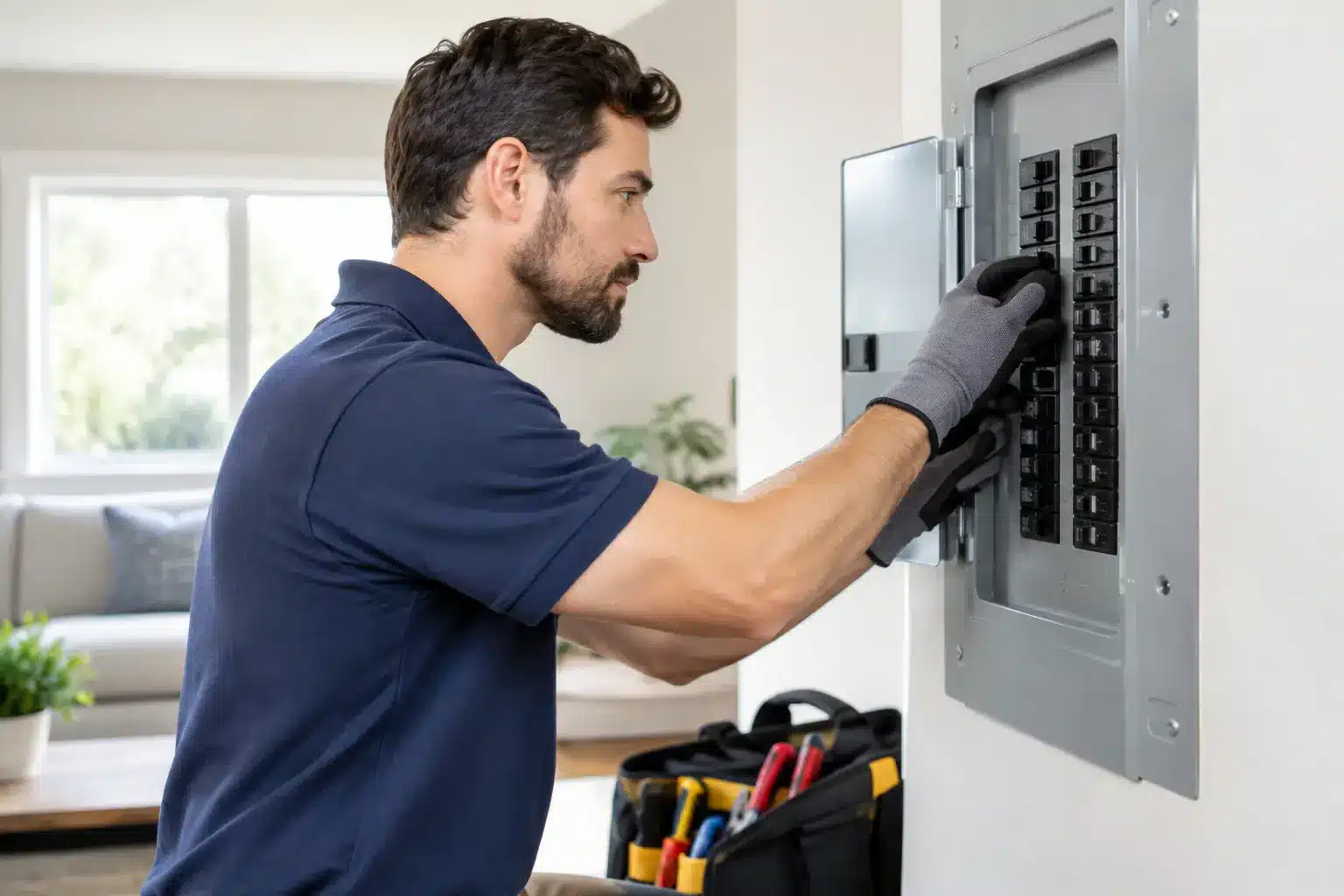
An EICR, or Electrical Installation Condition Report, examines the fixed electrical installation. This includes consumer units, circuits, sockets, switches, fixed lighting, earthing and bonding. It is a more detailed assessment of the wiring infrastructure within a property.
Put simply, PAT testing asks whether the appliance and its lead are safe to use. An EICR asks whether the electrical installation behind the socket is safe and suitable for continued use. A kettle can pass a PAT test even if the circuit supplying it has a fault. Equally, an installation can receive a satisfactory EICR while a damaged appliance lead still needs replacing.
What happens during PAT testing?
PAT testing normally starts with a visual inspection. Many faults are visible before a tester is connected: cracked plugs, loose pins, damaged flexes, burn marks, unsuitable adaptors or equipment used in a damp environment.
Where appropriate, electrical tests are then carried out. These can include checks for earth continuity, insulation resistance and polarity. The exact tests depend on the appliance type and whether testing it could cause damage or disrupt its settings. A competent electrician will not treat every item as though it needs an identical test.
Items that pass are usually labelled and recorded. If an item fails, it should be removed from use until it has been repaired or replaced. For a business, this clear record is useful evidence that electrical equipment is being managed responsibly.
How often should PAT testing be done?
There is no single legal rule stating that every appliance must be PAT tested annually. The right interval depends on risk, the type of equipment and how it is used. A desktop computer in a quiet office is not exposed to the same wear as a drill used daily on a building site or a kettle in a shared staff kitchen.
Businesses have duties under the Electricity at Work Regulations to maintain electrical systems and equipment so far as reasonably practicable. Sensible inspection and testing intervals form part of meeting that duty. Landlords are also expected to keep supplied electrical equipment safe, although this does not automatically mean annual PAT testing for every item.
A risk-based approach is generally the most practical one. Equipment used frequently, moved often, hired out, used outdoors or handled by the public may need more regular attention than low-use, double-insulated items in a controlled environment.
What does an EICR cover?
An EICR involves inspection and testing of the fixed installation, often with the electricity isolated for parts of the work. The electrician assesses whether the installation remains safe against current standards, while taking its age and original design into account.
The report considers the condition of consumer units, protective devices, circuit wiring, sockets, switches, lighting circuits, earthing arrangements and bonding. It can identify damage, overheating, overloaded circuits, poor previous workmanship, inadequate protection and faults that are not obvious in day-to-day use.
At the end of the inspection, the report will be recorded as satisfactory or unsatisfactory. Observations are commonly given codes that show their urgency. A C1 observation indicates danger is present and immediate action is required. A C2 means a potentially dangerous condition requires urgent remedial work. FI means further investigation is needed without delay. C3 observations are recommendations for improvement and do not, on their own, make a report unsatisfactory.
This matters because an unsatisfactory EICR is not merely paperwork. It is a clear signal that remedial work is needed to make the installation safe.
When is an EICR required?
For rented homes in England, landlords must arrange an EICR at least every five years, or sooner if the existing report recommends a shorter interval. They must also provide copies of the report to tenants and act on remedial requirements within the required timescales.
Commercial properties also need periodic inspection, although the appropriate frequency varies. Offices, retail units, workshops, warehouses, schools and hospitality venues all have different levels of use and risk. Five years is often used as a guide for many commercial premises, but it is not a substitute for reviewing the previous report, the condition of the installation and the nature of the business.
Homeowners are not generally under the same routine legal requirement as landlords, but an EICR remains a sensible precaution. It is particularly worthwhile when buying an older property, before major refurbishment, after flood or fire damage, when recurring electrical faults occur, or if the installation has not been checked for many years.
When you may need both tests
PAT testing and an EICR are often arranged together in workplaces, rental properties with supplied appliances, managed blocks and commercial premises. The EICR provides assurance over fixed wiring, while PAT testing addresses the portable equipment employees, tenants or customers use.
Consider a small office. The EICR might confirm that the distribution board and circuits are safe, but it will not test staff laptops, mobile phone chargers, kitchen appliances or extension leads. In the same way, PAT testing those items does not confirm that the office sockets have adequate protection or that the earthing system is sound.
For landlords, the need for both depends on what is supplied. An unfurnished rental with no landlord-provided appliances may only require the statutory EICR. A furnished property with supplied white goods, lamps and kitchen appliances may benefit from appliance inspections too, especially between tenancies.
Signs not to wait for scheduled testing
Periodic inspection is valuable, but visible warning signs should never be ignored until the next planned date. Arrange prompt advice from a qualified electrician if you notice any of the following:
- Sockets, switches or plugs that feel hot, show scorch marks or give off a burning smell.
- Repeated tripping at the consumer unit, especially when using the same appliance or circuit.
- Cracked plugs, damaged cables, exposed wiring or loose socket fronts.
- Flickering lights, buzzing accessories or shocks and tingling from metal equipment.
- Water damage near electrical fittings, consumer units or installed wiring.
If there is an immediate danger, switch off the affected circuit or appliance where it is safe to do so. Do not continue using damaged equipment simply because it worked previously.
Choosing the right electrician and report
Electrical testing should be carried out by a competent person using suitable test equipment and proper reporting procedures. The report should be clear about what has been inspected, any limitations, the observations found and the recommended action. Vague certificates without supporting detail do not give a property owner much useful assurance.
For an EICR, ask whether the quotation includes the inspection only or also allows for likely remedial work. Older properties can reveal issues that were impossible to confirm without testing, so separating the report from corrective work is often the fairest approach. You receive an independent assessment first, then a clear explanation of what needs doing and why.
C.K Electrical Contractors provides EICRs, remedial works and appliance testing support for domestic and commercial clients across Stevenage and the surrounding area. As a NAPIT-registered, family-run contractor, the focus is on straightforward advice, safe workmanship and practical solutions rather than unnecessary work.
The right choice between PAT testing or an EICR is not about picking the cheaper certificate. It is about checking the part of the electrical system that actually carries the risk. If you are unsure whether the concern lies with an appliance, a circuit or the whole installation, a qualified electrician can assess the situation and help you put the right safety checks in place.