You plug something in, catch a sharp burnt smell near the wall, and then start wondering whether it is serious or whether it can wait until morning. A burning smell from socket should never be brushed off. Even if everything still seems to be working, that smell can point to overheating, damaged wiring, a loose connection or a failing accessory – all of which need attention quickly.
The difficult part is that electrical faults do not always announce themselves with sparks or a total power cut. Sometimes the first sign is just a faint hot plastic smell around a plug socket. That is why the safest response is simple: stop using that socket, switch off the circuit if you can do so safely, and get it checked by a qualified electrician.
Why a burning smell from socket happens
A socket should not smell hot, smoky or burnt during normal use. If it does, something is generating heat where it should not. In most cases, that heat comes from resistance in the connection, overloading, damaged components or deterioration inside the socket itself.
One common cause is a loose terminal behind the socket. When wiring is not secured properly, electricity can arc or struggle across the connection, creating heat over time. This can slowly damage the socket and the cable insulation behind it. The problem may build gradually, which is why a socket can seem fine for months before the smell becomes noticeable.
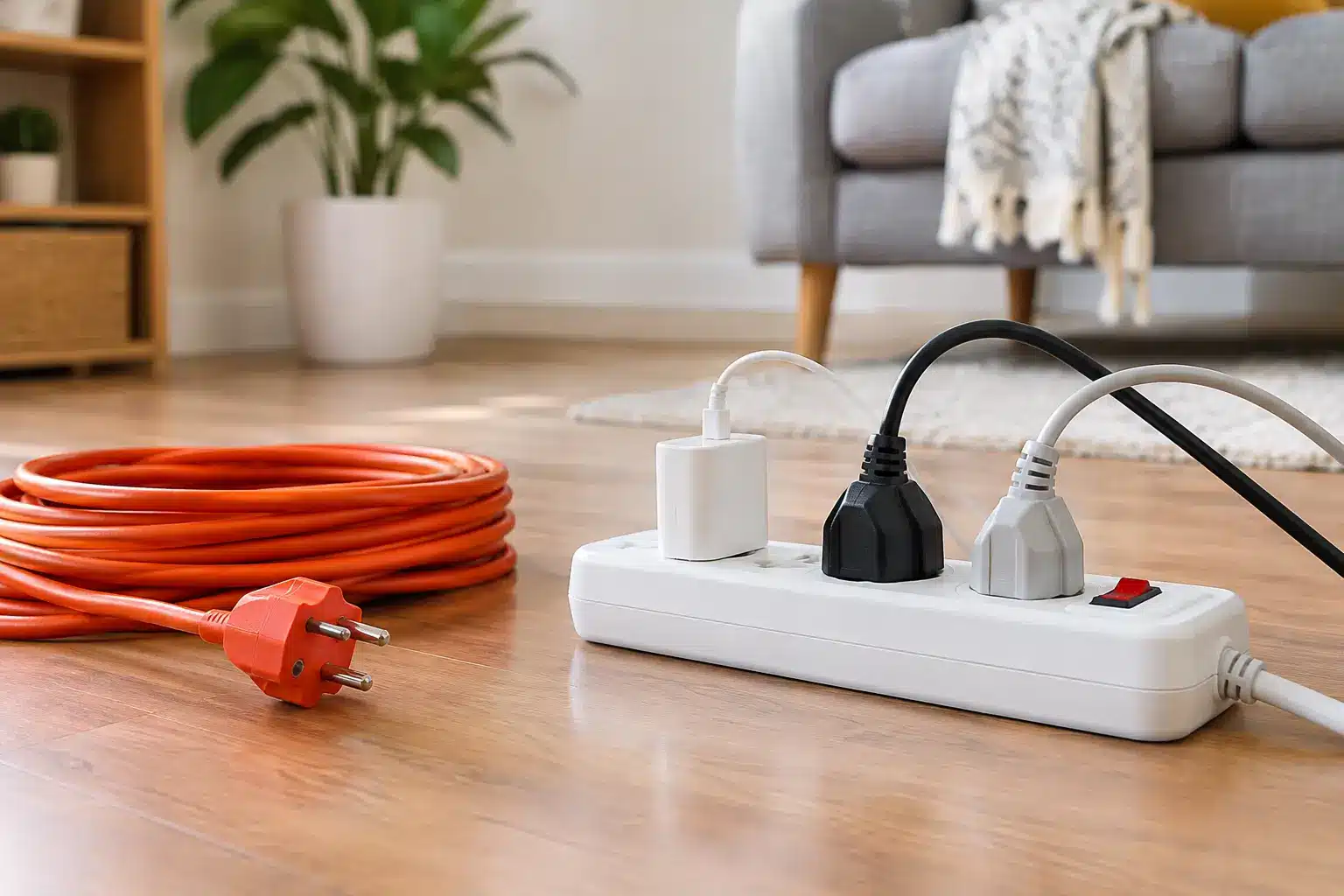
Overloading is another frequent issue. Extension leads, multi-way adaptors and high-demand appliances can all place extra strain on one point. Heaters, kettles, tumble dryers and similar equipment draw significant power. If several demanding items are used from the same area, the socket or associated wiring may start to overheat.
There is also the socket itself to consider. Older or damaged fittings can wear out internally. Cracked faceplates, scorch marks, discolouration and buzzing sounds all suggest the accessory may be failing. In some properties, especially older homes or buildings with dated electrics, the socket fault may actually be a symptom of a wider issue on the circuit.
What to do immediately if you smell burning from a socket
The first priority is safety, not fault-finding. Unplug anything connected to the socket if it is safe to do so. If the plug or socket feels hot, leave it alone and switch off power at the consumer unit if you can identify the right circuit safely.
Do not keep testing the socket to see if the smell comes back. Do not plug the appliance into another suspect outlet without checking whether the appliance itself could be part of the problem. And do not ignore a smell just because the socket still works. Electrical accessories can remain live and functional right up to the point where they fail.
If you see smoke, charring, melting plastic or hear crackling, treat it as urgent. In that situation, isolate the power and contact an electrician as soon as possible. If there is an active fire risk, follow emergency procedures immediately.
Signs the problem may be more serious
Sometimes a burning smell from socket is isolated to one outlet. Sometimes it hints at something broader. The difference matters, because a single damaged socket may be a fairly contained repair, while repeated overheating across the installation could point to ageing wiring, poor past workmanship or an overloaded circuit.
Warning signs to watch for include tripping electrics, flickering lights on the same circuit, warm faceplates, black marks around the socket, buzzing noises, or plugs that no longer sit firmly in place. If more than one socket is showing signs of heat or damage, the issue should be investigated properly rather than patched over.
Landlords and business owners should be especially careful here. In rented or commercial premises, electrical defects are not just inconvenient – they can raise compliance and liability concerns as well. A visible burn mark or reported smell should always be recorded and dealt with promptly.
Is it the socket or the appliance?
This is where some caution is needed. A faulty appliance can create a burning smell that seems to come from the socket. Damaged plugs, loose fuse holders, worn flexes and overheating equipment can all transfer heat to the outlet.
That said, trying to diagnose it by trial and error is not the safest approach. If a toaster, heater or charger appears to be involved, stop using it and keep it unplugged until it can be checked. If the socket shows any visible damage or smell remains around the wall point itself, assume the socket needs professional inspection too.
It depends on what you are seeing. If the appliance plug is scorched but the socket looks untouched, the appliance may be the primary fault. If the socket is discoloured, warm or loose in the wall, the accessory or wiring is more likely to be at fault. In some cases, both end up damaged.
Can you keep using the other sockets?
Possibly, but it depends on the circuit and the nature of the fault. If one double socket has overheated because of localised damage, other sockets on the ring may still be working normally. But if the smell is linked to poor wiring connections, overloading or deterioration elsewhere on the circuit, continued use could increase the risk.
This is why a proper inspection matters. An electrician will not just swap a faceplate and leave. They should test the circuit, check for heat damage, confirm the integrity of the wiring, and make sure the protective devices are operating as they should.
For homeowners, this gives peace of mind. For landlords and commercial properties, it also provides a clearer record that the issue has been dealt with correctly rather than temporarily masked.
How an electrician investigates a burning smell from socket
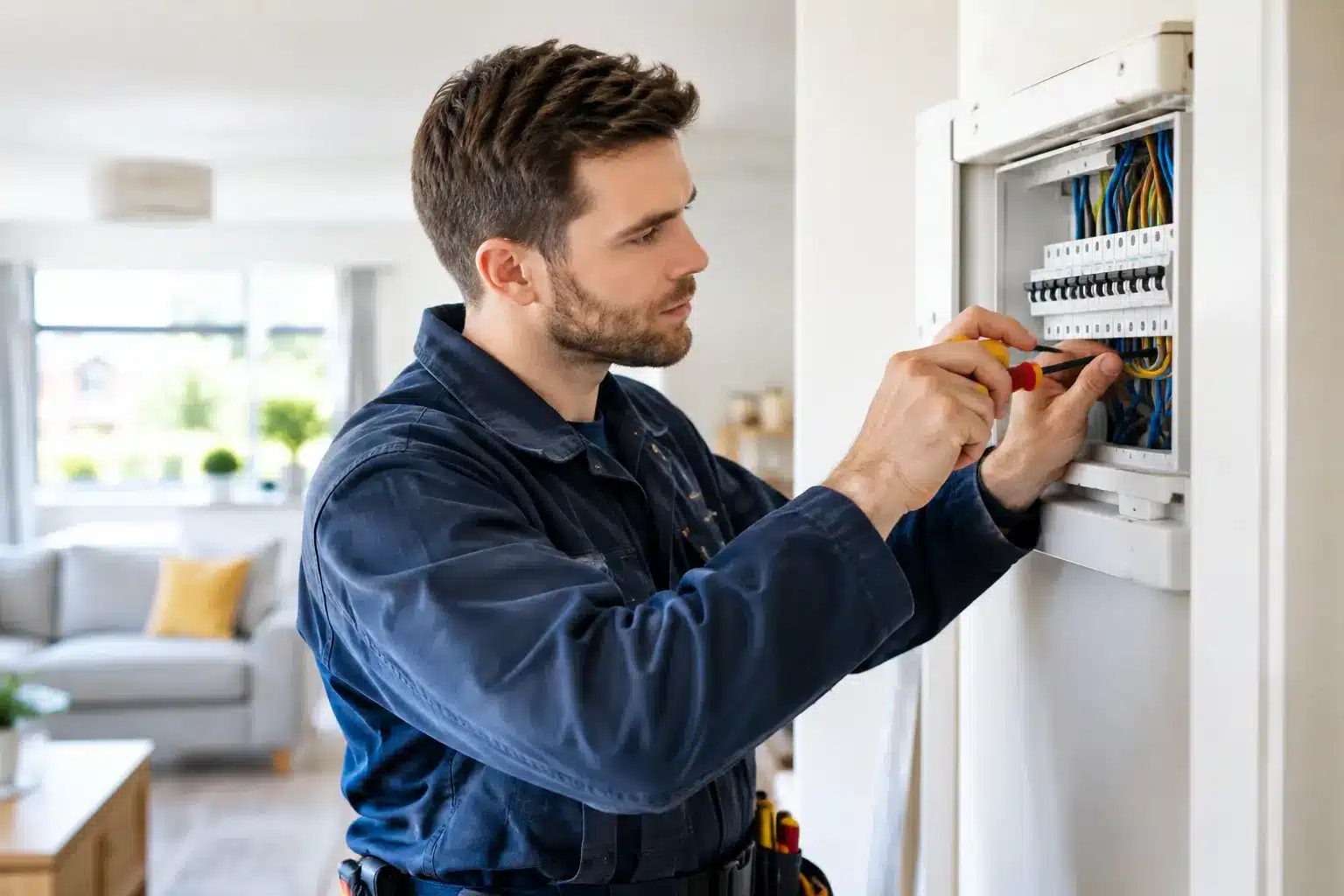
A qualified electrician will usually begin with a visual inspection. That includes checking the socket front, the terminals behind it, the condition of the cable, and any signs of arcing, overheating or poor installation. If damage is present, the accessory may need replacing, but the check should not stop there.
Testing is often the key part. The circuit may need to be isolated and inspected to confirm whether there are loose connections, signs of overload, polarity issues, or faults that affect earthing and protection. If the property has older wiring or repeated issues, wider testing may be recommended.
This is where experience counts. The obvious damage is not always the root cause. A burnt socket can be the end result of a circuit problem elsewhere, and replacing only the visible part may not solve it for long.
Older properties and recurring electrical smells
In older homes, repeated socket faults can be a sign that the installation is due for more than a quick repair. Ageing accessories, brittle insulation, inadequate earthing arrangements and overloaded circuits are more common where electrics have been added to over many years.
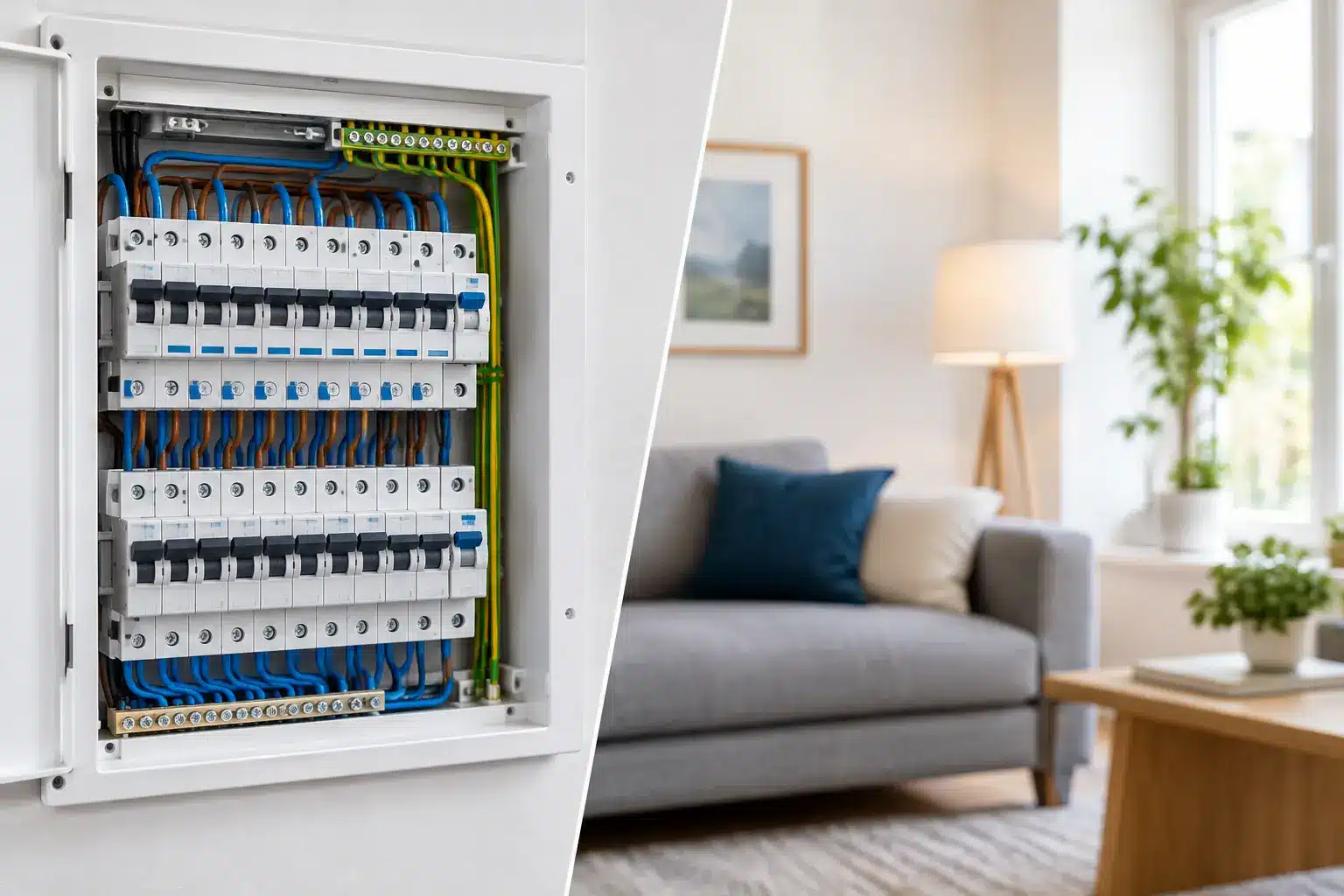
That does not automatically mean a full rewire is needed. Sometimes targeted remedial work or a fuse board upgrade is enough. In other cases, especially where there is a mix of old and newer wiring or a history of tripping and overheating, a more thorough assessment is the sensible next step.
If you are unsure about the condition of your installation, an EICR can help identify whether the issue is isolated or part of a broader safety concern. That is often the clearest route for landlords, buyers, business owners and anyone dealing with an older property.
When to call for urgent help
Any burning smell from socket deserves prompt attention, but some situations should be treated as urgent. If the socket is smoking, crackling, sparking, visibly melted, or has caused power loss, do not delay. The same applies if the problem affects a business premises where staff, customers or equipment could be put at risk.
For properties in Stevenage and nearby areas, a fast response can make the difference between a straightforward repair and a much larger fault. C.K Electrical Contractors handles this type of issue with the practical approach it needs – make the area safe, identify the cause, and carry out the right repair to current standards.
Electrical problems are rarely the sort that improve if left alone. If a socket smells burnt, trust the warning sign and act on it while it is still a repair job, not an emergency call after the damage is done.