A lead stretched across a hallway to power a lamp may seem harmless, but extension leads are involved in many avoidable electrical faults. Knowing how to use extension leads properly helps protect people, appliances and property from electric shock, overheating and fire.
An extension lead is intended to provide temporary access to a socket where one is not conveniently located. It is not a replacement for adequate fixed wiring, additional sockets or a properly planned electrical installation. Used with care, a good-quality lead is useful in homes, offices, shops and workshops. Used incorrectly, it can overload a circuit or conceal a problem that needs professional attention.
Choose the right extension lead for the job
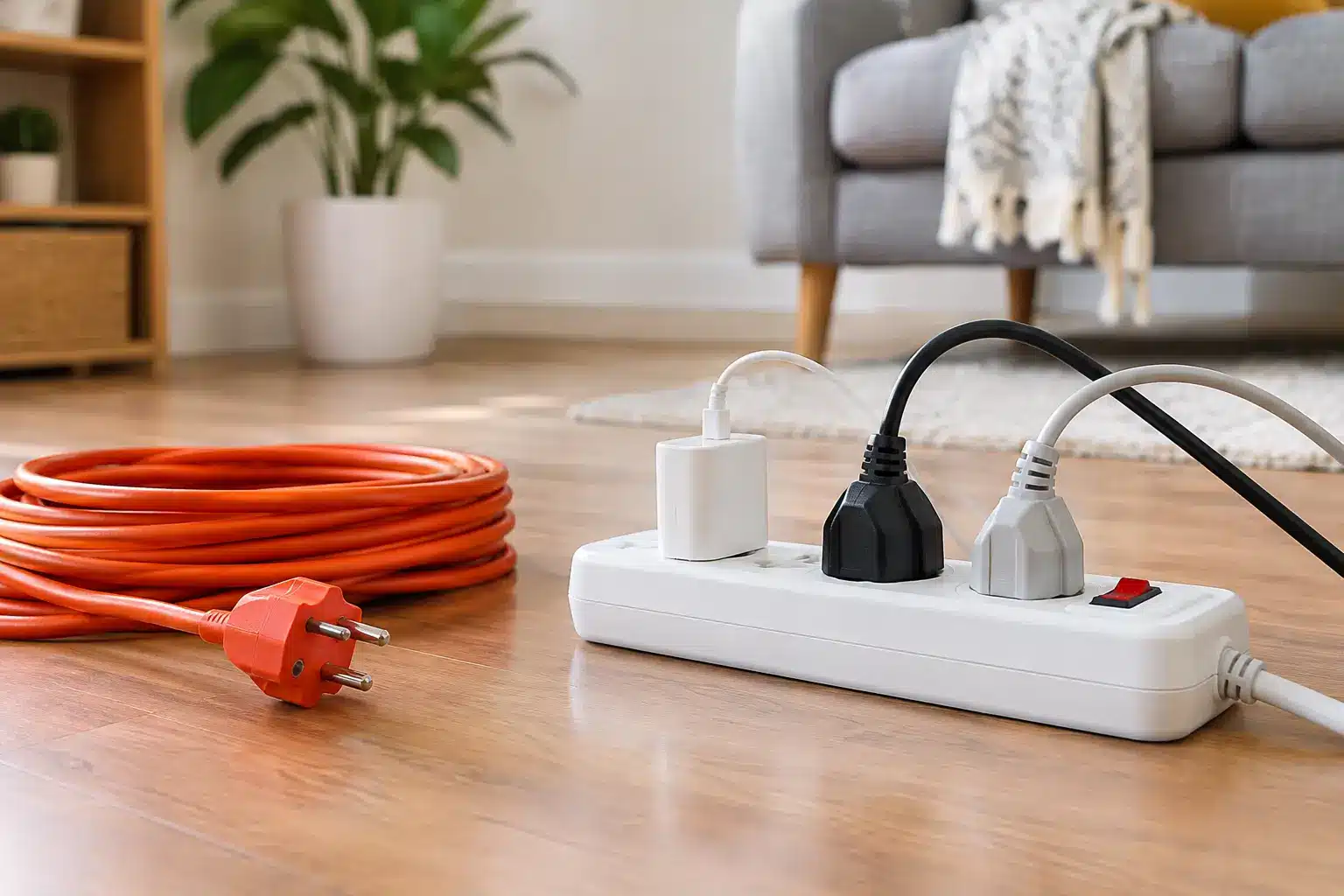
Start with the equipment you need to power. Extension leads are not all rated for the same load, and the rating should be clearly marked on the plug, socket block, reel or packaging. In the UK, many domestic extension leads are fitted with a 13A plug, but the amount of power they can safely carry also depends on the cable size, length and whether it is fully unwound.
For light-use items such as phone chargers, a table lamp or a laptop, a standard extension block in good condition is usually suitable. Higher-demand appliances need more care. Kettles, microwaves, tumble dryers, washing machines, portable heaters and power tools can draw a substantial load. Where possible, plug these directly into a wall socket rather than sharing an extension lead with other equipment.
Cable reels deserve particular attention. A reel that is left wound up can trap heat in the cable. Its label may show a much lower maximum load when wound than when fully unwound. Always unwind a reel fully before using higher-powered equipment and follow the manufacturer’s stated limits. Never assume that a 13A plug means every arrangement connected to it can safely run at full load.
How to use extension leads without overloading them
The key rule is simple: add up what is plugged in. A UK socket circuit is typically designed for normal domestic use, but an extension lead has its own limits and is only one part of the system. The socket, plug, cable, extension block and the circuit serving it must all be able to cope with the load.
A quick guide can help. Power is measured in watts, and higher-wattage appliances draw more current. A 3,000W appliance at a nominal 230V supply draws around 13A, which is close to the limit of a standard plug. Plugging a kettle into an extension lead alongside a toaster, coffee machine and air fryer is a common way to exceed the safe rating.
Avoid using multi-way adaptors in another multi-way adaptor or plugging one extension lead into another. This is known as daisy-chaining. It creates a long chain of connections, increases the chance of overload and makes faults harder to spot. If you regularly need more sockets in one area, additional fixed sockets are the safer long-term answer.
Do not rely on a blown fuse or tripped circuit breaker as a normal form of protection. These devices are designed to respond to faults, not to make repeated overloading acceptable. If a fuse blows or a circuit trips when certain appliances are in use, stop using that set-up and have the cause checked.
Keep leads visible, dry and protected
An extension lead should be positioned so it cannot be crushed, trapped, overheated or damaged. Running a cable under a rug may make a room look tidier, but it can hide damage and prevent heat from dispersing. Cables trapped in doors, pinched by furniture or walked over regularly can wear through without being noticed.
Keep leads away from sinks, baths, wet floors and other sources of moisture. A standard indoor extension lead is not suitable for use outdoors, in a garage with damp conditions or on a building site. For external use, choose equipment designed for outdoor conditions, keep connections off the ground and use suitable RCD protection. An RCD can reduce the risk of serious injury in the event of a fault, but it does not make damaged equipment safe to use.
In busy homes and workplaces, think about trip hazards as well as electrical safety. If a lead must cross a walkway temporarily, secure and protect it appropriately rather than leaving it loose. Never use a cable where it could be pulled by a child, caught by a chair or damaged by a door opening and closing.
Check the plug, cable and socket block before use
A short visual check takes seconds and can prevent a serious issue. Do not use an extension lead if you can see cracked insulation, exposed wires, scorch marks, loose socket shutters, bent pins, a split plug or a damaged cable reel. If the plug or socket feels unusually hot, switch off and unplug it once safe to do so.
The plug should be correctly fitted with a suitable fuse. A fuse protects the flexible cable and appliance, so fitting a larger fuse simply to stop it blowing can be dangerous. If a fuse repeatedly blows, there may be a fault in the appliance, lead or circuit that needs investigation.
Cheap, poorly made or counterfeit extension blocks can lack the safety features expected of properly manufactured equipment. Choose a reputable product with a clear rating, sound construction and UK-compliant plug. In commercial premises, extension leads used regularly should form part of an organised inspection and maintenance routine. The level of checking needed depends on the environment and risk, but visible damage should always mean the item is taken out of service.
Use extension leads only as a temporary solution
Extension leads are practical for occasional jobs: vacuuming the stairs, working from a laptop for an afternoon or powering tools during a short task. They are not designed to solve a permanent shortage of sockets.
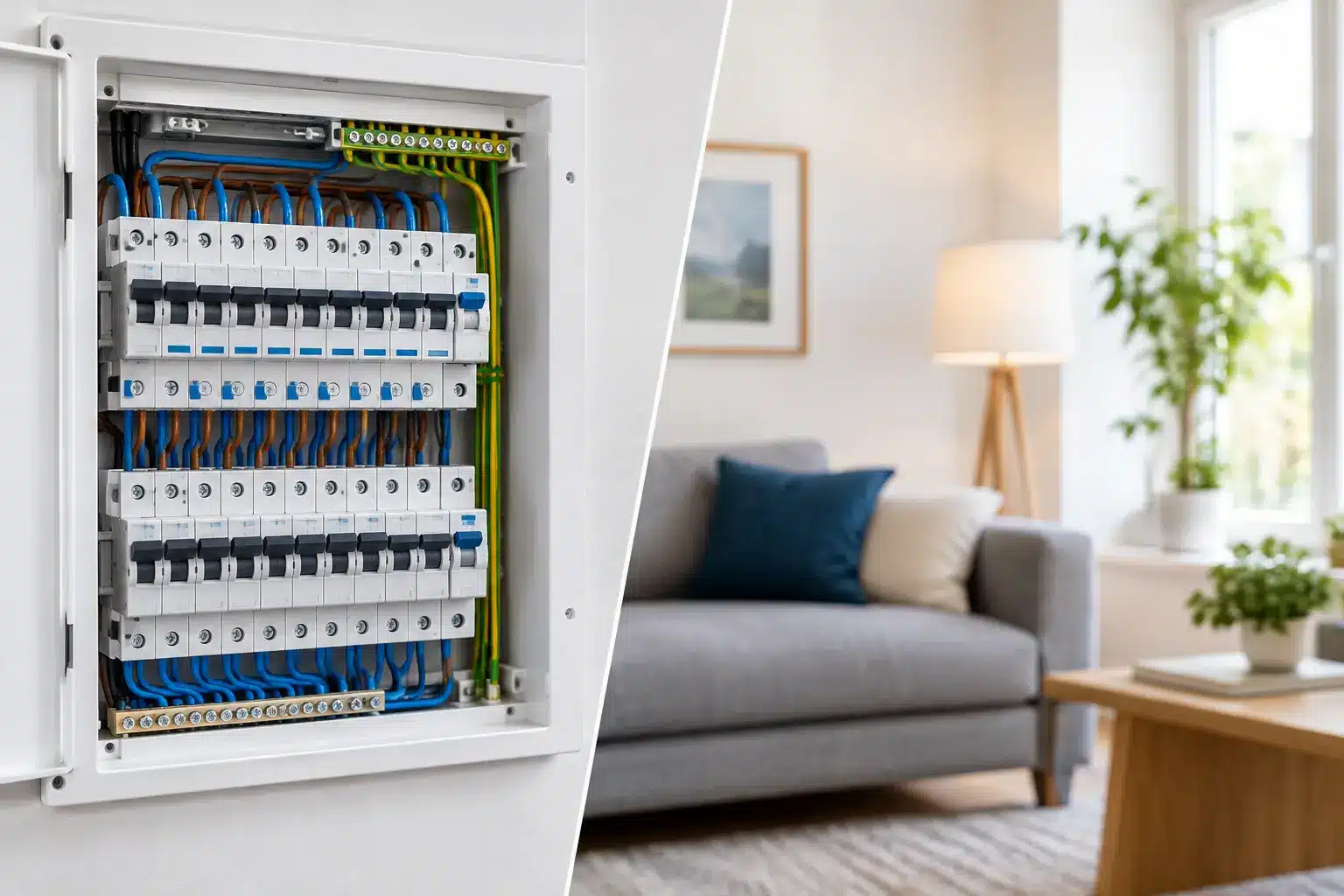
If you depend on extension leads every day behind a television unit, across an office floor or to operate kitchen appliances, the property may need extra socket outlets or alterations to the installation. This is especially relevant in rental properties, shops, offices and older homes where the way a space is used may have changed over time.
A fixed installation is usually neater, more reliable and easier to inspect. It also avoids the daily wear that portable leads experience. For landlords and business owners, addressing a repeated extension-lead issue can also support safer use of the premises and help identify whether the existing electrical installation is still suitable for demand.
Higher-risk appliances and situations
Some appliances should be treated with extra caution. Portable electric heaters are a frequent cause of overloaded extension leads and should normally be plugged directly into a wall socket. Do not run heaters overnight from an extension lead or place leads near heat sources, radiators or flammable materials.
Washing machines, dishwashers, tumble dryers and refrigeration equipment are best connected directly to suitable socket outlets. These appliances may have high start-up demands or operate for long periods, and their plugs need to remain accessible. In kitchens, utility rooms, workshops and commercial settings, make sure the equipment is appropriate for the environment and that sockets are not overloaded.
For power tools, use a lead that is suitable for the task, the site conditions and the length required. Longer leads can experience voltage drop, particularly under load, which can affect equipment performance. On outdoor or construction work, damage-resistant cable and RCD protection are particularly important.
When to call a qualified electrician
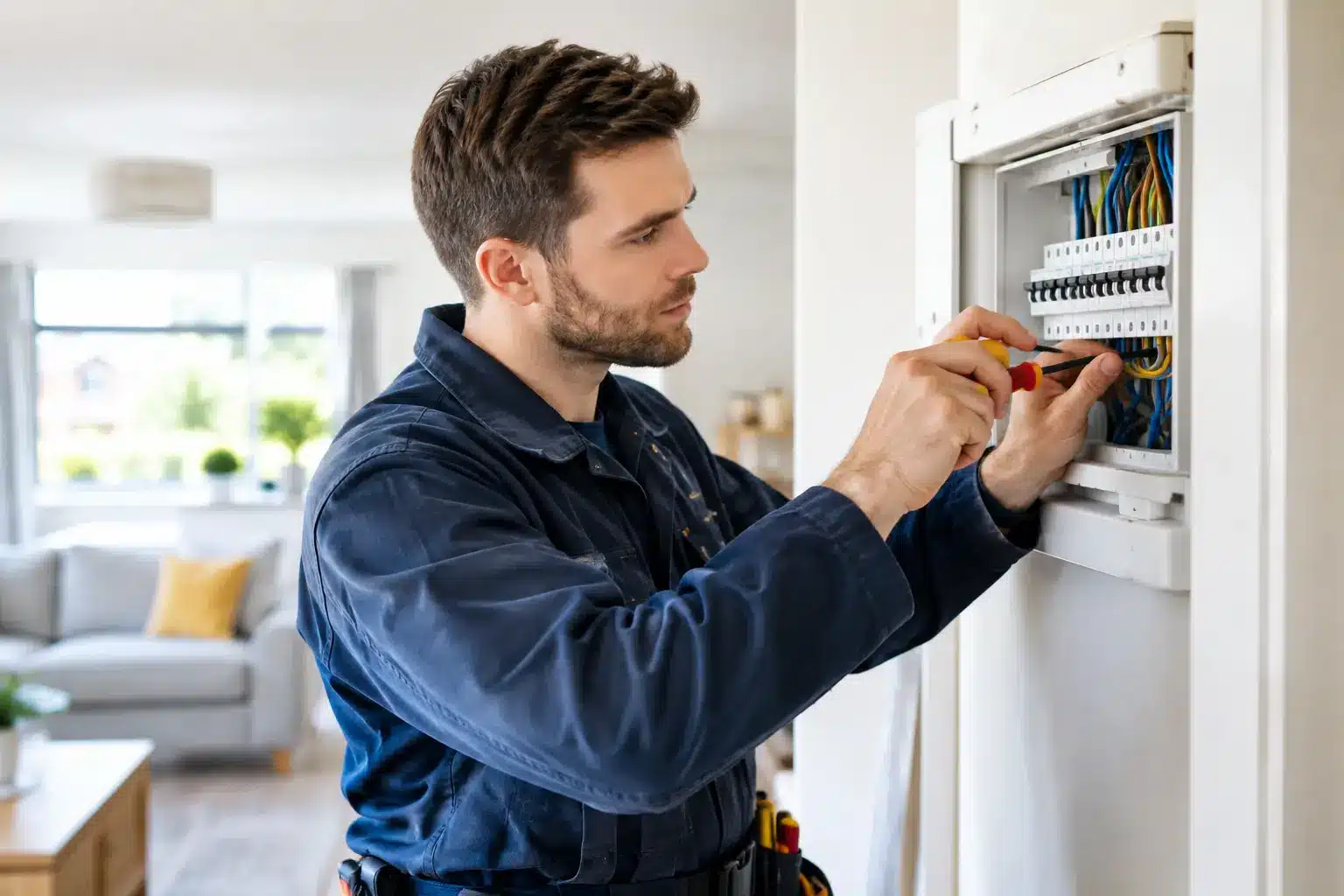
An extension lead cannot correct a faulty socket, an overloaded circuit or ageing wiring. Arrange professional advice if sockets are loose, discoloured, cracked or warm; lights flicker when appliances run; circuits trip repeatedly; or you smell burning near electrical equipment.
It is also sensible to have an electrician assess the installation if you are planning a home office, converting a garage, upgrading a kitchen or changing how commercial premises are used. Extra sockets, dedicated circuits and electrical testing can provide a safe solution rather than leaving temporary leads in permanent use.
For homeowners, landlords and businesses in Stevenage and the surrounding area, a qualified local electrician can identify whether the issue is the extension lead itself or a wider fault within the installation.
A well-chosen extension lead is useful for short-term convenience, but it should never be the reason a damaged socket, overloaded circuit or lack of permanent outlets goes unchecked. When a lead becomes part of the everyday set-up, it is time to consider a safer fixed solution.