When a property’s electrics are working as they should, most people barely think about them. The trouble starts when a fuse board trips without warning, sockets show signs of heat damage, lighting fails, or inspection reports uncover faults that have built up over time. That is where electrical installation and maintenance work matters most – not as a box-ticking exercise, but as the practical work that keeps people safe, businesses operating and properties compliant.
What electrical installation and maintenance work covers
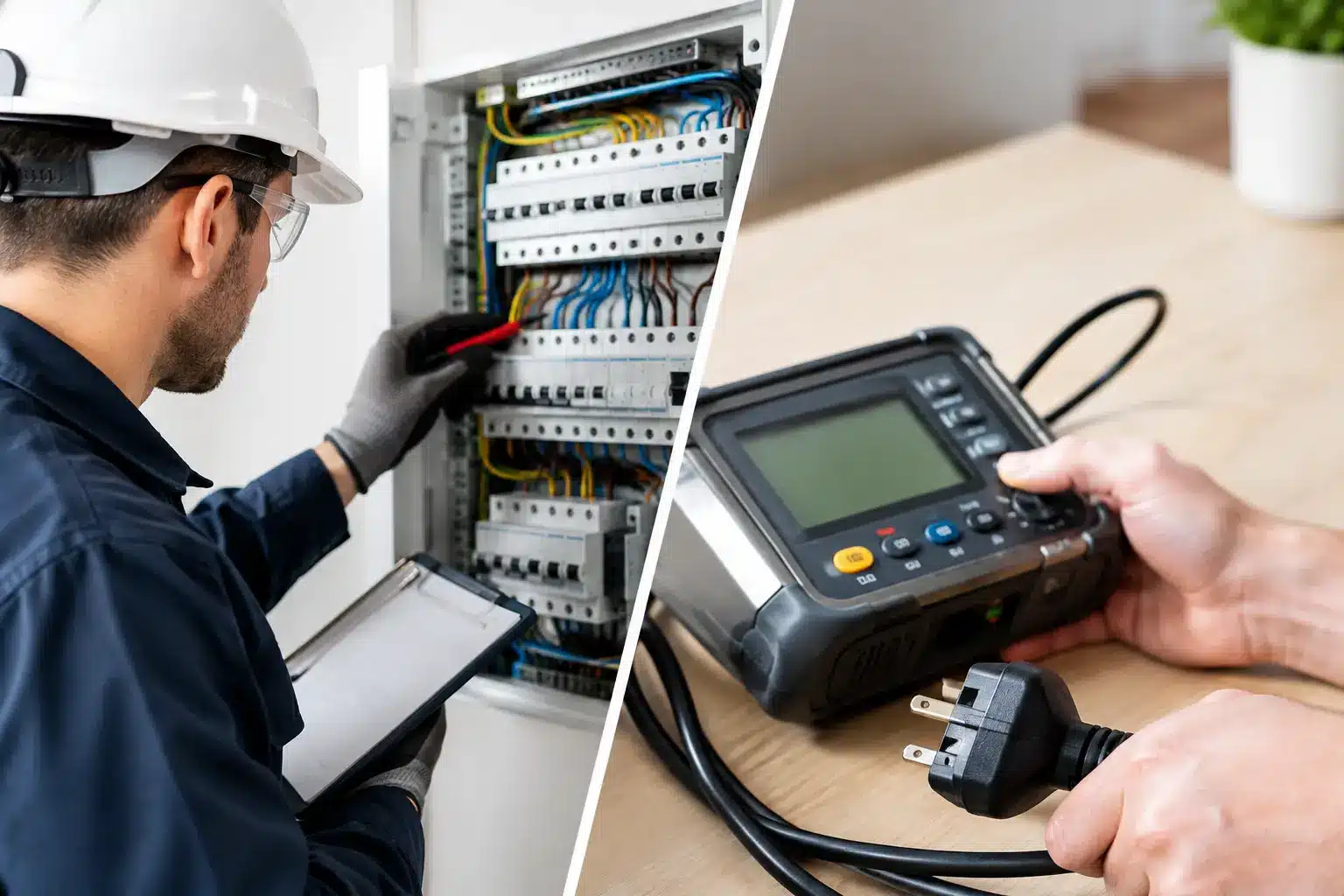
Electrical installation and maintenance work is a broad term, and that matters because different properties need different approaches. In a home, it might mean adding new sockets, replacing light fittings, upgrading a consumer unit, carrying out a partial rewire or repairing damaged circuits. In a commercial or industrial setting, it can include distribution upgrades, emergency lighting, testing, fault finding, remedial works and planned maintenance designed to avoid disruption.
Installation work is about putting safe, suitable systems in place. Maintenance work is about keeping those systems in proper condition and identifying issues before they turn into failures or hazards. The two go together. A well-installed system still needs checking over time, especially in older properties or busy workplaces where electrical demand is higher.
That is why electrical work should never be viewed as one job with a finish line. Standards change, buildings change and usage changes. A house that was adequate twenty years ago may now be expected to support home offices, electric showers, kitchen appliances, security systems and outdoor power. A commercial unit may have expanded equipment loads well beyond what the original installation was designed to handle.
Why electrical installation and maintenance work matters
Safety is the first reason, and it is still the biggest one. Faulty wiring, overloaded circuits, poor connections and ageing equipment can all increase the risk of electric shock, fire and equipment failure. Some problems are obvious, but many are hidden behind walls, ceilings and enclosures. You often do not know there is a problem until something stops working – or until an inspection finds it.
There is also the question of compliance. Landlords, business owners and duty holders have clear responsibilities when it comes to electrical safety. An EICR is not just paperwork. It gives a professional view of the condition of an installation and highlights any defects, deterioration or non-compliance that need to be addressed. For landlords in particular, staying on top of inspection and remedial work is part of meeting legal obligations, not an optional extra.
Then there is reliability. Poorly maintained electrics can cause downtime, spoil stock, interrupt trading and frustrate staff or tenants. In a domestic setting, the impact may be inconvenience and stress. In a shop, office, warehouse or hospitality site, it can quickly become a business cost. Preventative maintenance is usually cheaper and less disruptive than emergency repairs after a failure.
The signs a property may need attention
Some electrical issues make themselves known quickly. Repeated tripping, flickering lights, buzzing fittings, burning smells and discoloured sockets should never be ignored. Others are less dramatic but still worth investigating, especially in older buildings.
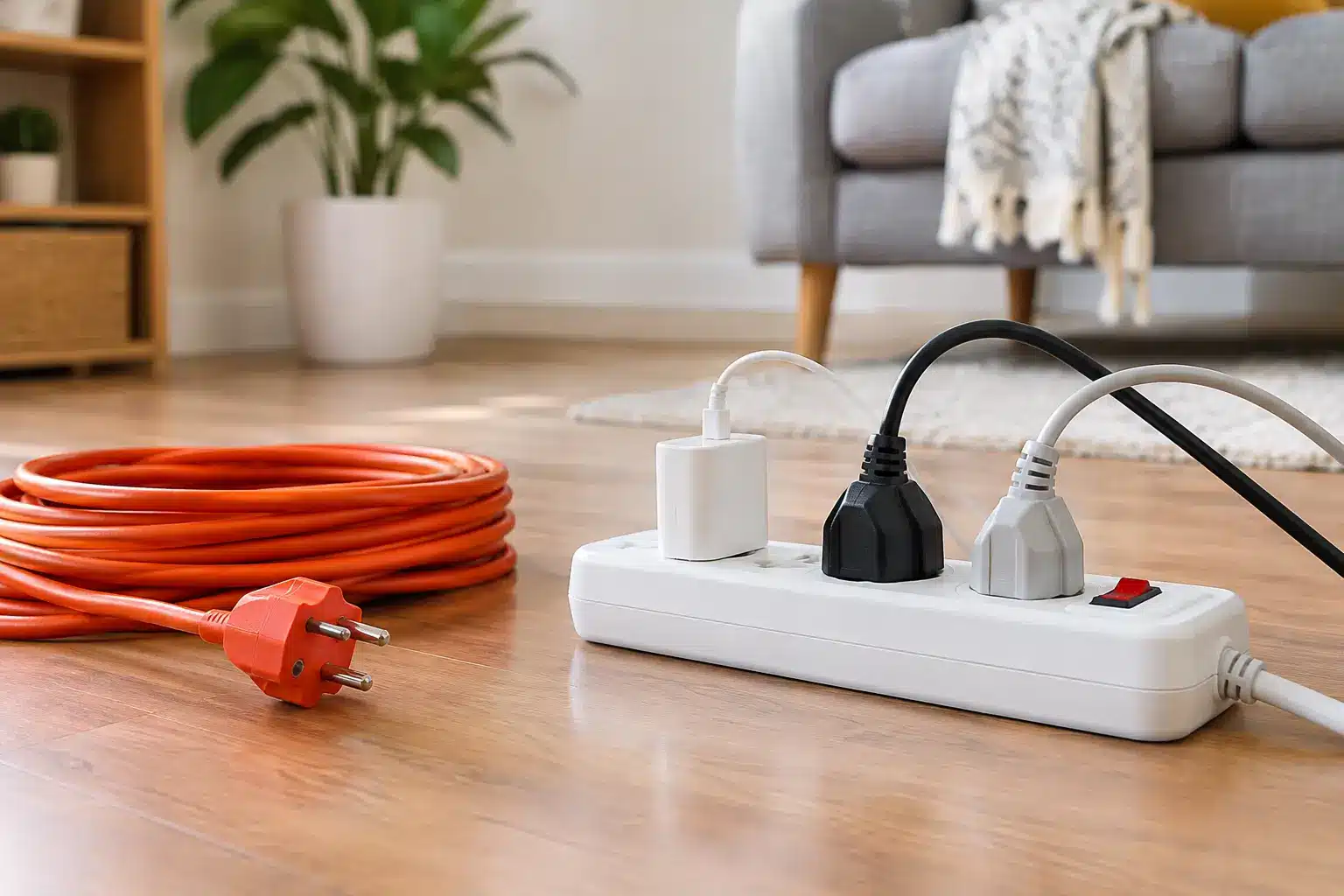
If a property has not had an inspection in years, if extension leads have become a permanent solution, or if alterations have been carried out over time without a clear understanding of the load on the system, it may be time for a proper assessment. The same applies where a fuse board is outdated, wiring insulation is showing its age, or previous repairs appear inconsistent.
It also makes sense to review the electrical setup before any refurbishment, change of use or tenancy change. That is often the point where hidden shortcomings come to light. Catching them early gives you more control over cost, timing and scope.
Domestic electrical installation and maintenance work
For homeowners, the main concerns are usually safety, convenience and future-proofing. A modern family home uses far more electricity than older systems were ever designed for. Kitchens, garden rooms, electric vehicle charging, home working and added security features all increase demand.
That does not always mean a full rewire is needed. Sometimes the right answer is targeted improvement – a new circuit, a fuse board replacement, upgraded earthing, extra sockets in the right places or replacement of damaged accessories. In other cases, particularly where wiring is old or has been altered repeatedly, more extensive work may be the safer and more cost-effective route.
The balance depends on the condition of the installation, not guesswork. Good electrical work starts with assessing what is already there, identifying what is safe to retain, and being clear about what needs improving now versus what can be planned for later. That kind of advice helps homeowners avoid both unnecessary spending and risky delay.
Commercial and industrial maintenance needs a different mindset
Business premises often need a more structured approach. The aim is not only to keep the installation safe, but to keep operations running with as little interruption as possible. That means planning works carefully, carrying out inspections at sensible intervals and responding quickly when faults appear.
Electrical installation and maintenance work in commercial and industrial settings also tends to involve more moving parts. You may be dealing with distribution boards, machinery supplies, emergency lighting, fire alarm interfaces, external lighting, data-related power requirements or tenant alterations. Each one affects the wider system.
This is where experience matters. The right contractor will understand that every hour of downtime has a cost. In practical terms, that means clear communication, tidy working, proper testing and a realistic approach to scheduling. Some issues need immediate action. Others can be prioritised and phased to suit the site.
Installation, repair or full replacement?
This is one of the most common questions, and the answer is often: it depends. Not every fault means the whole installation is failing. Equally, repeated small repairs can become false economy if the system as a whole is no longer up to standard.
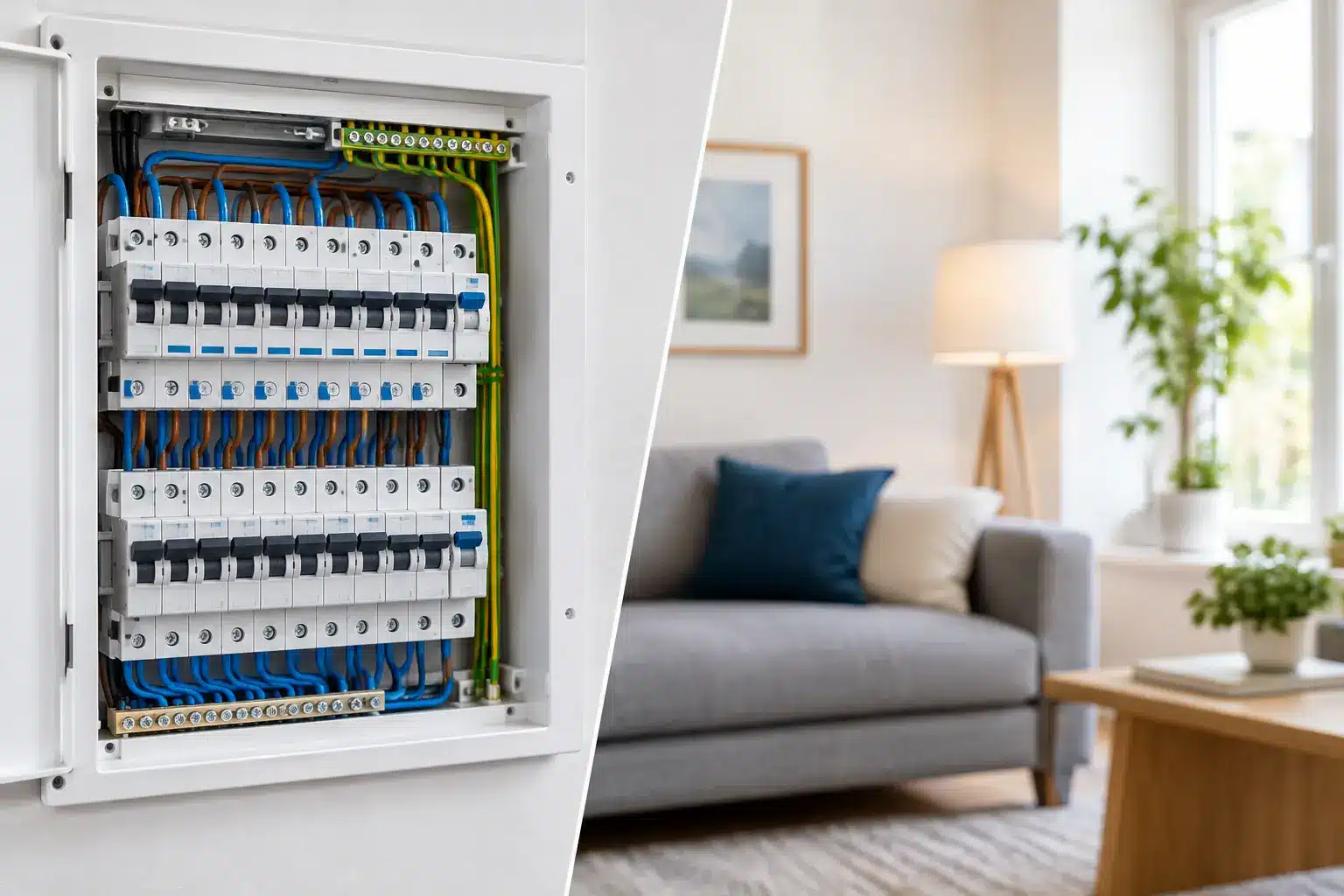
A modern fuse board can improve safety significantly, but it will not solve every issue if the wiring itself is deteriorated. Replacing sockets and switches may improve appearance and functionality, but if poor connections or underlying circuit faults remain, the problem is only partly addressed. On the other hand, recommending a full rewire for every older property is not good practice either.
The sensible route is evidence-led. Testing, inspection and fault finding should guide the decision. That gives property owners a clearer picture of risk, urgency and budget, and it avoids the two extremes of patching forever or replacing too much too soon.
Why qualifications and standards matter
Electrical work is not an area where shortcuts pay off. The quality of the installation matters, but so does the testing, certification and compliance behind it. Using a properly qualified contractor helps ensure work is carried out to current regulations and documented correctly.
That is especially important for landlords and businesses, where records matter as much as the physical work. If an EICR identifies C1, C2 or FI observations, those findings need to be understood and addressed appropriately. If new installation work is carried out, certification should follow. If remedial works are recommended, they should be completed to a standard that genuinely resolves the issue.
For local customers in and around Stevenage, working with an established contractor also tends to make life easier when urgent problems arise. A contractor who knows the area, responds quickly and has broad experience across domestic, commercial and industrial work can often move from diagnosis to solution without delay.
Planning ahead saves money and stress
The best time to deal with electrical issues is usually before they become urgent. That does not mean over-servicing a property or replacing sound equipment without reason. It means being realistic about wear, usage and risk.
Routine inspections, timely remedial work and sensible upgrades can extend the life of an installation and reduce the chance of sudden failure. For landlords, that supports compliance and tenant safety. For homeowners, it reduces the likelihood of disruptive surprises. For businesses, it protects continuity.
At C.K Electrical Contractors, that practical approach is at the heart of good service: safe work, clear advice and the right fix for the property rather than a one-size-fits-all answer.
Electrical systems do not need constant attention, but they do need respect. If something feels off, if a report has flagged concerns, or if your property has simply not been checked for a long time, acting early is usually the better decision.