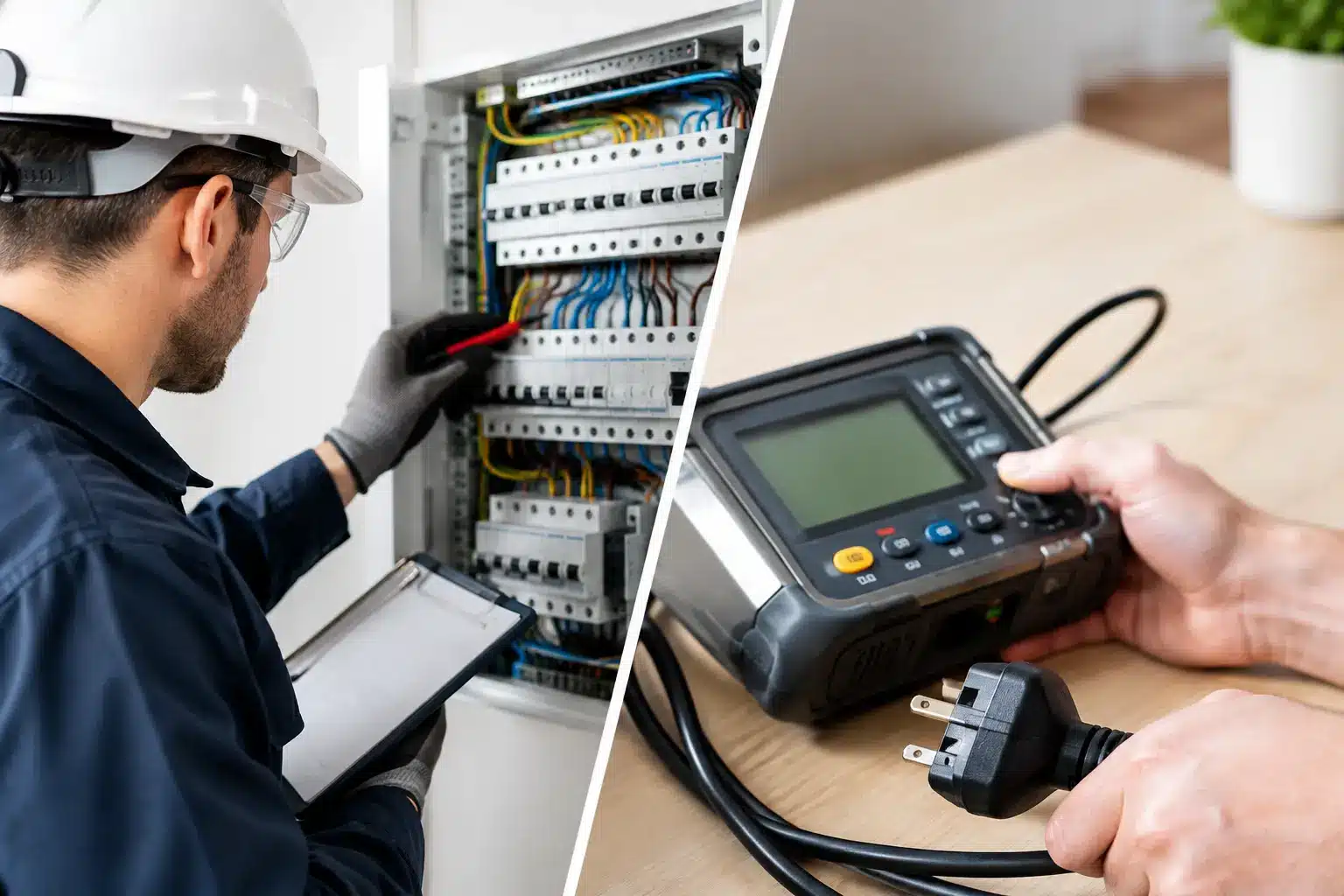
A kettle can pass a portable appliance test while the socket supplying it has a dangerous fault. Equally, an EICR can confirm that the wiring is in satisfactory condition while an appliance with a damaged lead still needs removing from use. That is the key distinction in eicr vs pat testing: they check different parts of your electrical system, and one is not a replacement for the other.
For homeowners, landlords and businesses, knowing which test is needed helps avoid unnecessary disruption, missed compliance duties and, most importantly, preventable electrical risk.
EICR vs PAT Testing: the essential difference
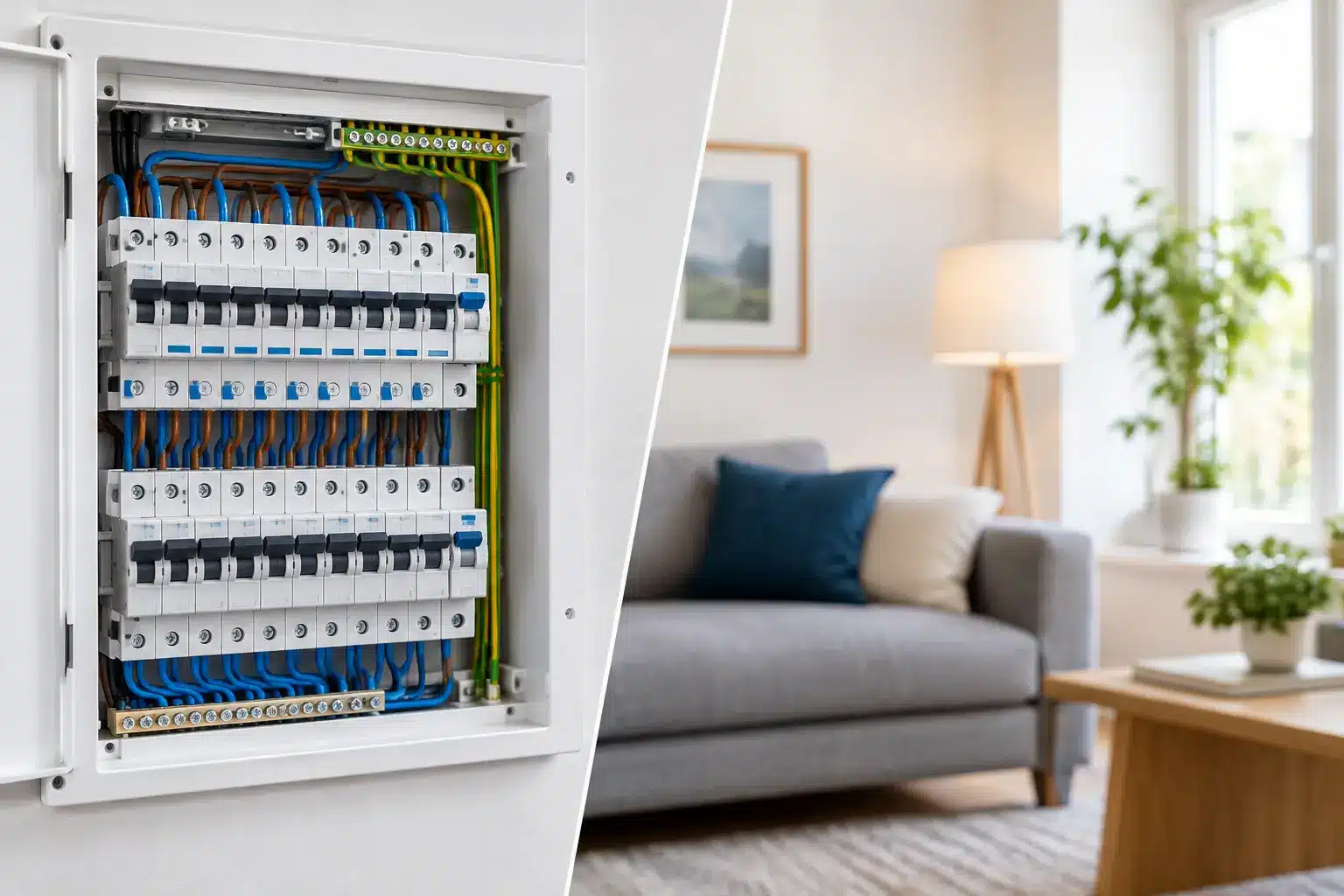
An Electrical Installation Condition Report, usually called an EICR, assesses the fixed electrical installation. This means the wiring concealed in walls and ceilings, consumer unit or fuse board, circuits, sockets, switches, lighting circuits, earthing and bonding. It is a detailed inspection designed to identify deterioration, damage, overloading, poor installation work and non-compliance with current safety standards.
PAT testing means Portable Appliance Testing. It concerns electrical appliances that plug into a socket or can be moved, including computers, kettles, extension leads, monitors, power tools, printers and commercial cleaning equipment. The process normally includes a visual check, followed by electrical tests where appropriate.
Put simply: an EICR checks the electrical infrastructure of a property. PAT testing checks the appliances connected to it.
What happens during an EICR?
An EICR is more than a quick visual check. A qualified electrician inspects and tests parts of the installation to establish whether protective devices operate correctly and whether the installation remains safe for continued use.
Testing may include the consumer unit, circuit breakers, RCD protection, socket outlets, light fittings, accessible wiring, earthing arrangements and electrical connections. Some circuits may need to be isolated briefly while tests are completed. In a commercial setting, this can be planned around working hours to keep disruption to a minimum.
The finished report records the condition of the installation and lists any observations. Serious faults are coded according to urgency. A C1 observation indicates danger is present and immediate action is required. C2 means potentially dangerous, while FI indicates that further investigation is needed. An installation with C1, C2 or FI observations will be recorded as unsatisfactory until the relevant issues are resolved.
An EICR is particularly relevant when buying an older property, after major alterations, before a tenancy begins, or when lights flicker, circuits trip regularly or sockets show signs of heat damage. It is also the formal safety check required for privately rented homes in England at least every five years, unless the report recommends an earlier inspection.
What an EICR does not cover
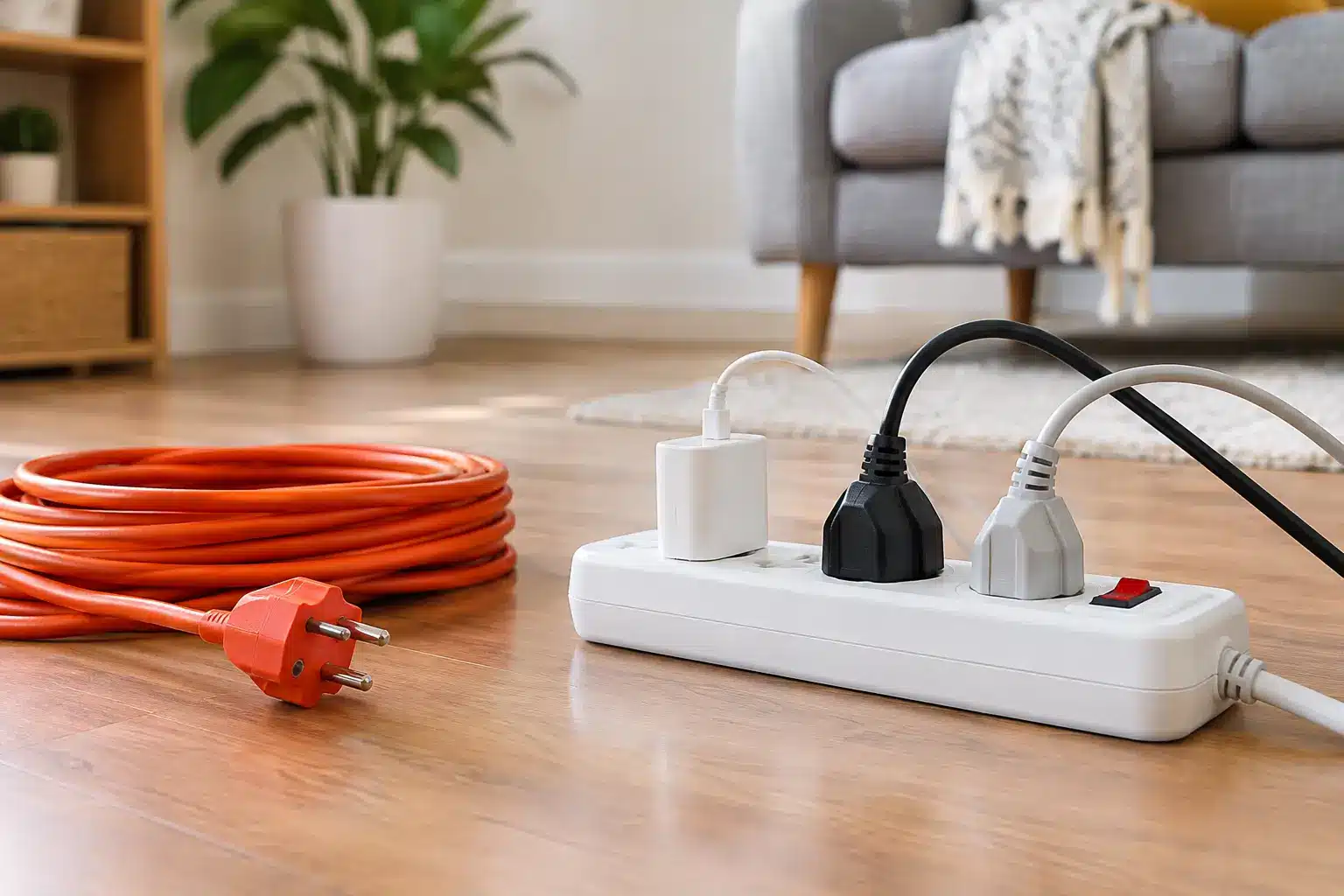
Although sockets are tested as part of an EICR, the report does not assess every item plugged into them. A laptop charger, microwave, extension reel or vacuum cleaner is outside the scope of the fixed-installation inspection. That is where appliance checks and PAT testing have a role.
What does PAT testing involve?
PAT testing begins with the most useful part of the process: a close visual inspection. Many appliance faults are obvious without instruments, such as frayed cables, cracked plugs, loose connections, scorched extension leads or unsuitable adaptors.
Where suitable, the appliance is then tested using specialist equipment. Depending on the appliance type, this may assess earthing continuity, insulation resistance and polarity. The results are recorded, and each tested item is normally labelled to show its status and next recommended test date.
Not every appliance needs exactly the same test or testing interval. A double-insulated appliance, identified by the square-within-a-square symbol, is tested differently from an earthed metal-bodied appliance. Equipment used daily on a construction site or in a busy workshop carries a different risk from a rarely moved desk lamp in a quiet office.
Is PAT testing a legal requirement?
There is no general UK law stating that every portable appliance must receive an annual PAT test. However, employers, landlords and those responsible for premises have legal duties to maintain electrical equipment in a safe condition. For businesses, this falls under duties including the Electricity at Work Regulations 1989.
PAT testing is a recognised, practical way to support that duty, but it should be part of a proportionate maintenance plan rather than a box-ticking exercise. The right frequency depends on the appliance, who uses it, the environment and how likely it is to be damaged.
For example, hand tools used on a building site may need frequent checks because they are exposed to knocks, dust and moisture. Equipment in a low-risk office may need less frequent formal testing, provided staff carry out regular visual checks and faults are reported quickly.
Landlords should pay particular attention to electrical items they provide with a tenancy. While tenant-owned appliances are not the landlord’s responsibility, supplied items such as cookers, washing machines, lamps and microwaves should be maintained safely. PAT testing can provide a clear record of this, alongside the required EICR.
When do you need one, the other, or both?
The right answer depends on what you are responsible for.
A homeowner who owns the appliances in their house may arrange an EICR to check the condition of ageing wiring, following a renovation or before purchasing a property. PAT testing is not usually necessary for normal household appliances, although any item with a damaged cable, loose plug or signs of overheating should be taken out of use and checked by a competent person.
A landlord normally needs an EICR for the rented property at least every five years. If the tenancy includes electrical appliances, PAT testing is strongly advisable as part of managing those items safely. The EICR alone does not demonstrate that the supplied appliances are safe.
A small office may need both. The EICR covers its consumer unit, circuits and socket outlets. PAT testing covers the staff equipment plugged into those outlets, from monitors and chargers to kitchen appliances and extension leads.
For shops, schools, warehouses and industrial premises, both services are often essential. Electrical installations can be subject to heavier use, while the number and type of portable appliances can change regularly. A planned programme gives managers an accurate record, identifies defects early and avoids relying on assumptions after an incident.
Common misunderstandings that create risk
The most common mistake is assuming PAT testing proves that a property is electrically safe. It does not test the fixed wiring behind a socket, the condition of the consumer unit or whether RCD protection is operating correctly.
The reverse assumption is just as risky. A satisfactory EICR does not mean every appliance in the building is safe to use. A damaged extension lead can still cause electric shock or fire even where the installation itself is in excellent condition.
Another misunderstanding concerns test dates. The next test date on a PAT label is useful for organising maintenance, but it does not remove the need for ongoing checks. If a cable is damaged tomorrow, the appliance must be removed from service tomorrow, not left in use until its scheduled retest.
Choosing a sensible testing plan
A good testing plan begins with an accurate picture of the property. Consider the age and condition of the installation, the number of supplied appliances, how the premises are used and whether equipment is exposed to moisture, impact, heat or frequent movement.
For landlords, keep the EICR, any remedial-work documentation and appliance test records together. For businesses, maintain an appliance register and make it easy for staff to report damaged equipment. Replacing a worn extension lead promptly is less costly than dealing with an electrical incident, downtime or a failed inspection.
At C.K Electrical Contractors, we provide clear EICR findings and practical remedial advice for properties across Stevenage and the surrounding area. If you are unsure whether a fault sits with the installation or an appliance, do not guess or continue using equipment that appears damaged. A timely professional check can give you a clear answer and keep the people using your property safer.