A failed inspection rarely starts with a dramatic fault. More often, it begins with small issues that have been ignored for too long – overloaded circuits, damaged accessories, poor earthing or ageing boards that no longer meet current standards. That is why commercial EICR requirements matter. For business owners, landlords and site managers, an Electrical Installation Condition Report is not just paperwork. It is a practical way to confirm that a building’s electrical system is safe for continued use.
What commercial EICR requirements actually mean
An EICR is a formal inspection and test of a fixed electrical installation. In a commercial setting, that includes the wiring, distribution boards, protective devices, sockets, lighting circuits and other permanent parts of the system. The goal is to assess whether the installation remains safe and whether any deterioration, damage or non-compliance needs attention.
When people talk about commercial EICR requirements, they are usually asking three things. Does my premises need one, how often is it required, and what happens if problems are found? The answer depends on the type of building, how it is used and the level of risk involved.
Unlike a simple visual check, an EICR involves testing and recorded observations. It is carried out by a qualified electrician who can identify defects, assess the condition of the installation and code any issues according to their severity. That matters because commercial premises often have heavier electrical demand, more complex layouts and a greater duty of care to staff, customers, tenants and visitors.
Who needs a commercial EICR?
Most commercial premises should have periodic inspection and testing in place. That applies to offices, shops, schools, warehouses, restaurants, workshops and mixed-use properties. If your business operates from a building with a fixed electrical installation, there is a strong chance an EICR is part of your wider compliance responsibilities.
For landlords of commercial units, an EICR can also form part of good property management. While the exact legal duty may vary with the tenancy arrangement and the type of premises, the underlying obligation remains the same – electrical systems must be maintained so they do not present danger.
This is where some confusion creeps in. There is not one single rule covering every commercial property in exactly the same way. A small office with light use is not the same as an industrial unit with machinery running all day. A school, care environment or public-facing venue may also require a more cautious inspection schedule because the risks are higher.
How often are commercial EICRs required?
In many commercial premises, the recommended interval is every five years. That is the figure many business owners are familiar with, and in straightforward environments it is often appropriate. But it is not automatic.
The actual inspection frequency should take account of the installation’s age, condition and usage. Premises exposed to moisture, heat, vibration, public use or mechanical damage may need inspections more often. Industrial sites can fall into this category, as can hospitality venues and certain retail environments.
There is also the previous report to consider. If an earlier EICR recommends a shorter interval, that recommendation should be followed unless the installation has been upgraded enough to justify a review. In practice, that means two similar-looking premises can have different inspection dates because their electrical history is different.
If you have recently taken on a commercial lease, bought a property or inherited an older installation with patch repairs over time, it is sensible not to guess. Checking the last report date and the condition of the system is usually the best place to start.
What happens during the inspection
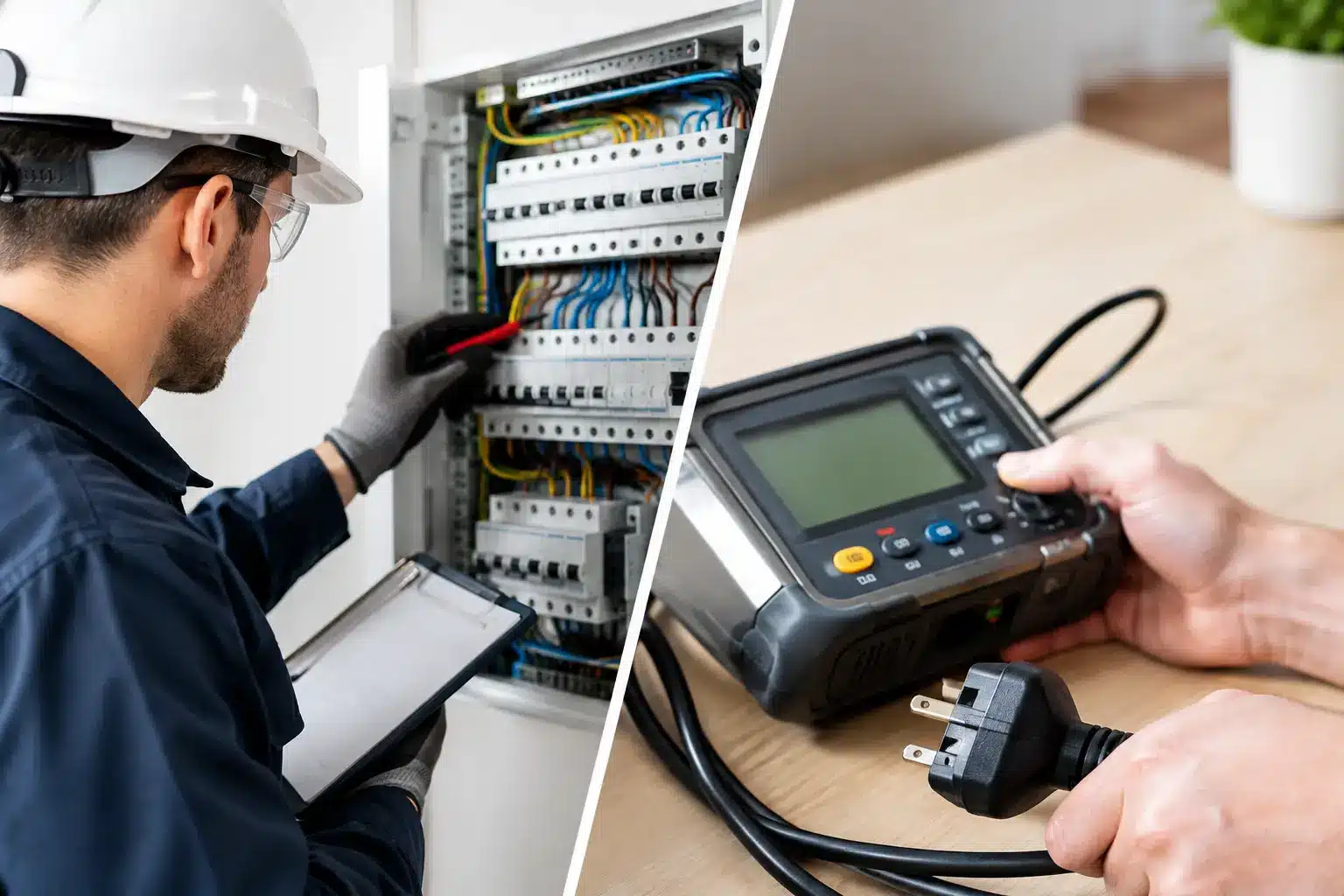
A proper commercial EICR is more than a walk-round with a clipboard. The electrician begins with a visual assessment of the installation, looking for obvious signs of damage, poor workmanship, wear, overloading or outdated equipment. After that, live and dead testing is carried out on circuits to confirm that protective measures are working as they should.
The level of disruption depends on the building and the circuits involved. Some testing may require parts of the installation to be isolated temporarily, which is why planning matters. In a busy office or trading premises, inspections are often arranged around quieter periods to reduce disruption.
Good communication is a big part of the job. A business owner should understand what is being tested, whether access is needed to certain areas and if any downtime is expected. In larger or more complex sites, the report may also be broken down by distribution board or area to make remedial planning easier.
Understanding EICR codes
Once testing is complete, the report records observations using standard classification codes. These codes show how serious each issue is and what action is needed.
A C1 observation means danger is present and immediate action is required. A C2 means potentially dangerous and urgent remedial work is needed. FI means further investigation is required without delay, usually where something cannot be fully confirmed during the inspection. A C3 means improvement is recommended, but it is not classed as immediately unsafe.
This matters because many clients assume any fault means total failure. That is not always the case. Some issues are advisory, while others make the installation unsatisfactory until they are put right. If a report includes C1, C2 or FI observations, it will usually be marked unsatisfactory.
Common issues found in commercial properties
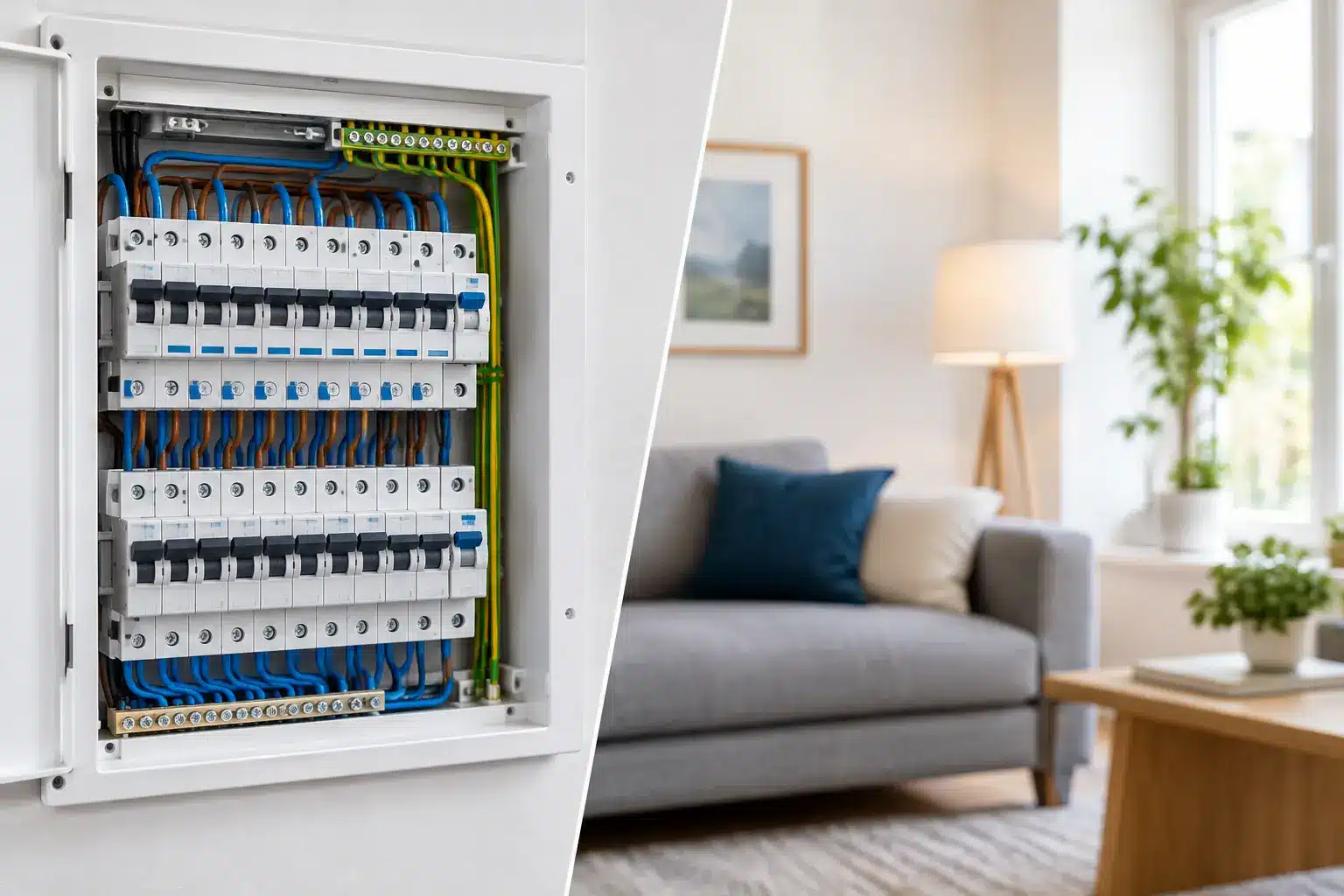
The same faults come up time and again, especially in older buildings or premises that have been altered by different contractors over the years. Damaged sockets and switches are common, as are distribution boards with missing blanks or outdated protective devices. Poor labelling also causes problems, particularly where circuits have been added without proper records.
In some properties, the issue is not a single dangerous defect but a collection of smaller concerns that point to neglect. You might find signs of overloading, accessories damaged by impact, missing bonding or evidence that previous alterations were not tested properly. In commercial kitchens, workshops and storage areas, wear and environmental conditions can speed up deterioration.
This is why a regular inspection schedule makes sense. It is usually cheaper and easier to deal with faults before they become urgent.
Meeting commercial EICR requirements without disrupting the business
Most businesses do not object to inspection itself. What they worry about is downtime, access issues and unexpected repair costs. Those concerns are reasonable, and the best approach is to manage them rather than ignore them.
A well-planned EICR should be scheduled around the way the premises actually operates. In some cases, that means early mornings, evenings or weekend work. In others, it means splitting inspection work across phases so critical areas remain live where possible. The right approach depends on the type of business, the size of the installation and how much operational flexibility there is.
It also helps to treat the report as part of planned maintenance instead of a last-minute compliance task. If a site has regular electrical checks, clear records and remedial work dealt with promptly, inspections tend to be more straightforward. If a property has gone years without proper testing, there is a greater chance of surprise findings.
For businesses in Stevenage and surrounding areas with older commercial stock, this is particularly relevant. A lot of premises have been adapted over time, with lighting upgrades, added circuits and tenancy changes leaving installations more mixed than they first appear.
What to do if your report is unsatisfactory
An unsatisfactory EICR is not the end of the road, but it should not be parked for later. The next step is remedial work to address the coded observations. Once that has been completed, you may receive a confirmation of the repairs carried out, and in some cases further testing will be needed.
The key is to act on the findings in order of risk. C1 and C2 issues need urgent attention. FI observations also need prompt follow-up because uncertainty around electrical safety is still a risk. C3 items can usually be planned into future improvements, especially if a board upgrade or wider refurbishment is already being considered.
There is a balance to strike here. Not every older installation needs ripping out and starting again. Equally, not every problem can be solved with a quick patch repair. A competent electrician should explain what is essential now, what can be phased and what would improve long-term reliability.
Choosing the right contractor
Commercial testing should be carried out by someone with the right experience in inspection, fault identification and live commercial environments. That matters because commercial premises often have more complex circuits, different occupancy risks and tighter operational constraints than domestic properties.
You also want clear reporting and practical advice. A report full of codes is not much use if no one explains what they mean or what needs doing next. Businesses need straightforward recommendations, realistic timescales and remedial work carried out to the correct standard.
For many clients, working with a local contractor makes planning easier too. Faster attendance, better familiarity with local businesses and a more responsive approach can make a real difference when inspections need to be arranged around trading hours or urgent faults are found.
Commercial EICR requirements are really about one thing – making sure your premises remain safe to use. If you are unsure when your last report was done, or whether your installation still reflects the way the building is used now, it is worth checking before a minor issue turns into a costly one.