A socket that feels warm, a fuse board that keeps tripping, or lights that flicker when an appliance starts are not jobs to keep putting off. When you need a domestic electrician in Knebworth, the priority is finding someone who can identify the real cause, carry out the work safely and leave you with clear information about what has been done.
Electrical work affects far more than convenience. Faults can damage appliances, interrupt heating or lighting, and in serious cases create a fire or electric shock risk. A qualified local electrician can deal with the immediate issue while also checking whether an ageing installation, overloaded circuit or previous alteration is behind it.
When Should You Call a Domestic Electrician in Knebworth?
Some electrical problems are obvious emergencies. Burning smells, scorch marks around a socket, buzzing from a consumer unit, exposed cables and repeated loss of power all need prompt professional attention. Switch off the affected circuit if it is safe to do so, avoid touching damaged equipment and arrange for an electrician to investigate.
Other signs are less dramatic but still deserve attention. A circuit breaker that trips occasionally may be reacting to a faulty appliance, moisture ingress, a damaged cable or too much demand on one circuit. Resetting it without finding out why can turn a useful safety warning into a recurring problem.
Warning signs that should not be ignored
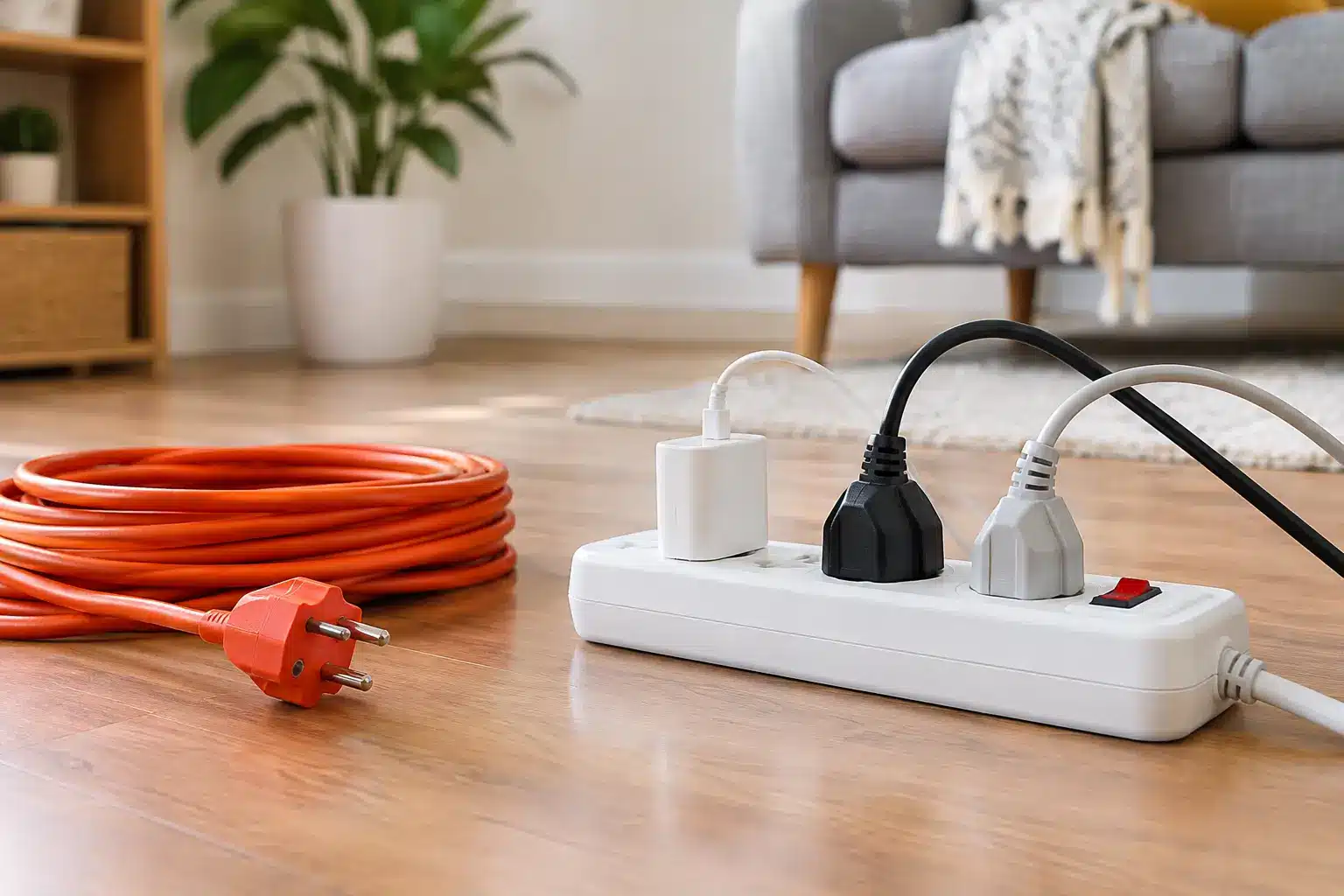
If lights dim when the kettle, shower or washing machine is used, your electrical system may need assessment. The same applies to loose sockets, switches that crackle, a persistent tingling sensation from metal fittings, or extension leads being used as a permanent answer to a shortage of outlets.
Older properties can also hide issues that are not immediately visible. Wiring may have been extended over the years for a new kitchen, loft conversion, garden office or previous renovation. Each addition needs to work properly with the rest of the installation, rather than simply adding more demand to circuits that were never designed for it.
Repairs, Upgrades and Safety Checks for Your Home
A capable electrician should not treat every call-out as the same job. Replacing a damaged socket is very different from tracing an intermittent fault, upgrading a fuse board or planning the electrical work for an extension. The right solution depends on the age and condition of the installation, the use of the property and the work already carried out.
Fault finding and everyday repairs
Fault finding is about methodically locating the source of a problem rather than replacing parts on guesswork. This might involve testing a circuit, isolating an appliance, inspecting accessories or checking connections that have loosened over time.
Common domestic repairs include replacing damaged sockets and switches, repairing lighting circuits, fitting new light fittings, sorting extractor fan faults and resolving nuisance tripping. Small jobs still need the same care as larger installations. A poor connection behind a socket or fitting can overheat long before it becomes visible from the outside.
Fuse board replacements and circuit upgrades
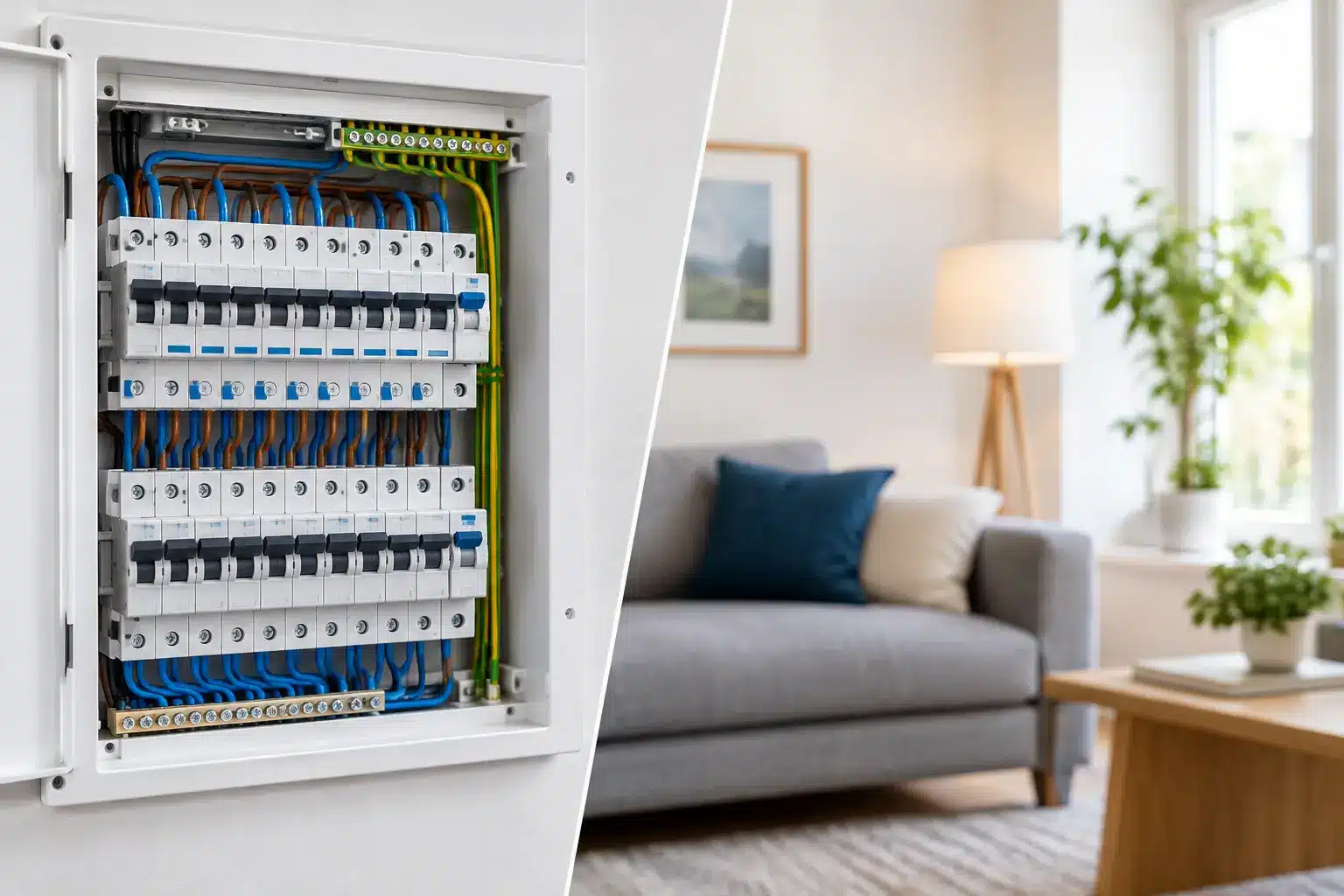
Many homeowners still refer to the consumer unit as the fuse board. Modern consumer units use protective devices designed to disconnect supplies quickly where a fault is detected. They can provide a significant improvement in safety, particularly where an old board has rewireable fuses or lacks appropriate residual current device protection.
A replacement is not simply a case of swapping one box for another. Before fitting a new consumer unit, an electrician should assess the existing installation. If the wiring or circuits have defects, those may need remedial work first. This approach helps ensure the new equipment is protecting an installation that is safe to use, rather than masking problems that remain elsewhere.
Upgrades may also be appropriate when a household is adding an electric vehicle charger, induction hob, electric shower, heat pump, home office or garden room. These additions can place substantial demand on a supply, so the circuit design and capacity should be considered before work begins.
Rewires and partial rewires
A full rewire is a major project, but it can be the sensible long-term decision in a property with deteriorated, outdated or unsuitable wiring. Signs may include old cable types, a lack of earth connections, insufficient circuits, extensive DIY alterations or repeated faults with no isolated cause.
Not every older home needs a complete rewire. A partial rewire may be suitable where a particular area, such as an extension or renovated kitchen, needs new circuits while the rest of the installation remains in good condition. The decision should follow inspection and testing, not assumptions based on the age of the house alone.
Rewiring involves access to walls, floors and ceilings, so planning matters. Discuss the number and position of sockets, lighting controls, data points, smoke alarms and outdoor supplies before work starts. Getting these details right at the first stage reduces disruption later and helps the finished home work properly for everyday life.
Why Testing and Certification Matter
Electrical work should be carried out in line with current UK safety requirements, including BS 7671. Depending on the type of work, it may need to be inspected, tested and certified. This paperwork is not a formality. It records what has been installed or assessed and provides useful evidence for future work, insurance questions, property sales and landlord responsibilities.
An Electrical Installation Condition Report, commonly called an EICR, assesses the condition of fixed wiring and identifies observations that need attention. Homeowners often arrange one before buying a property, after moving into an older home, or where there are concerns about the installation. Landlords have specific legal duties around electrical safety, making regular EICRs an essential part of managing a rental property.
An EICR does not automatically mean that a rewire is needed. It may identify a handful of repairs, improvements to protective devices or issues caused by previous work. The value lies in having an informed view of the installation, with findings explained clearly and remedial work prioritised according to safety.
Choosing the Right Electrician for Domestic Work
Price matters, but the lowest quote does not always represent the best value. Electrical work should be quoted against a clear scope so you know whether testing, certification, materials, making good and any likely remedial work are included. If a quote is much lower than the others, it is reasonable to ask what has been allowed for and what might be charged separately.
Look for an electrician who can explain the work in straightforward language and who is registered with a recognised competent person scheme. Registration, experience and proper testing equipment all matter, especially for work involving consumer units, new circuits, rewires and safety reports.
It is also worth choosing a contractor that has experience with both planned and urgent work. A planned installation benefits from careful design and scheduling, while an emergency needs a calm response and accurate fault diagnosis. C.K Electrical Contractors brings more than 20 years of experience to domestic electrical work across the local area, with NAPIT registration and 24-hour emergency support when problems cannot wait.
What to Expect During a Home Electrical Visit
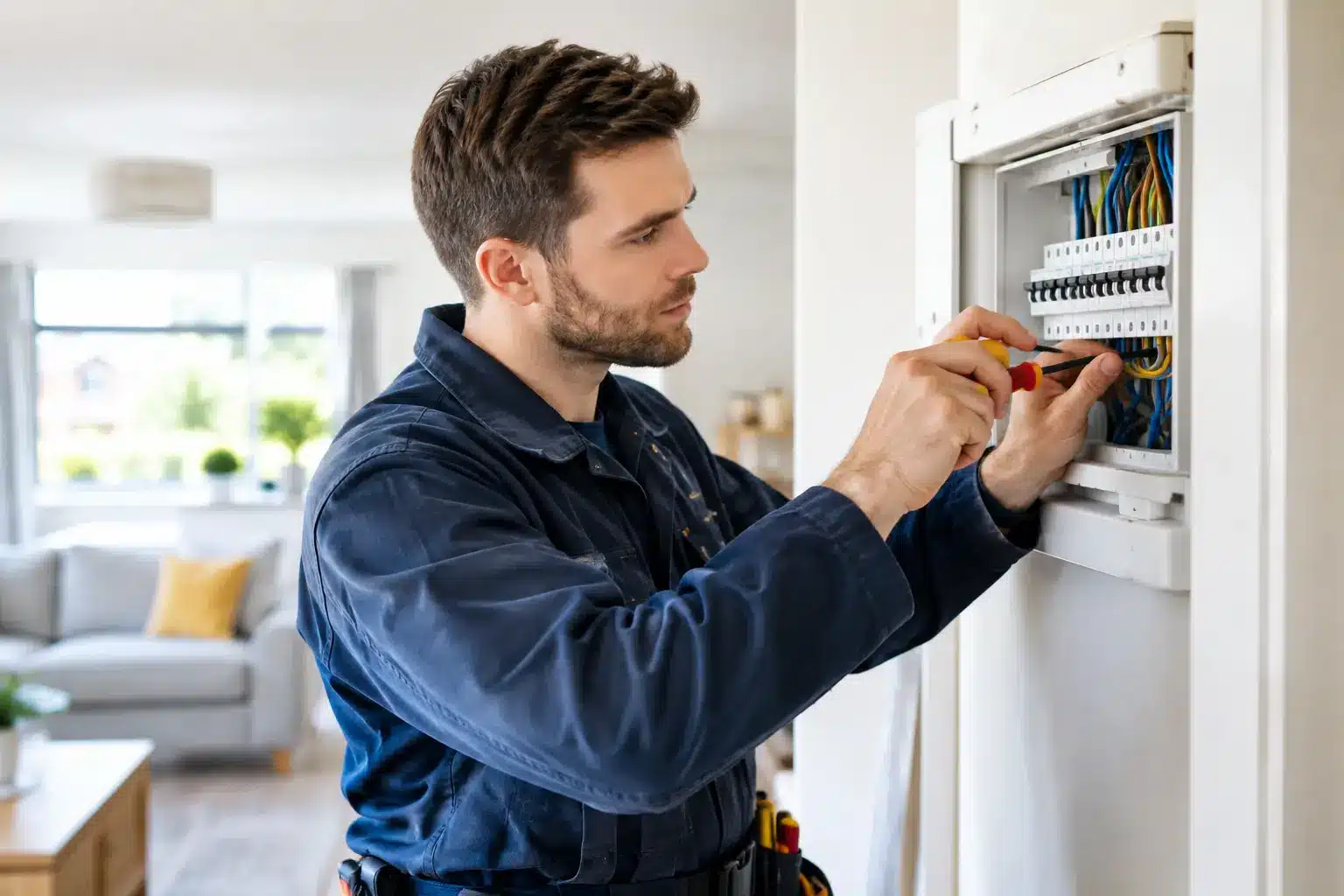
A professional visit should begin with listening to the problem or understanding the planned work. For faults, the electrician may ask when the issue occurs, which appliances are in use and whether any building work has taken place recently. These details can make diagnosis faster and more accurate.
Testing may require circuits to be temporarily switched off. For larger jobs, the electrician should discuss likely disruption, access requirements and how long parts of the property will be without power. This is particularly useful for homes where people work remotely, have electric heating, rely on medical equipment or need to coordinate around children and pets.
Once work is complete, ask what was found, what was repaired and whether there are any recommendations for the future. Keep any certificate or report with your property records. It can save time and uncertainty when you next need work carried out.
A Safer Electrical System Starts With Early Action
Electrical faults rarely improve by themselves. Acting when you first notice tripping, heat, damage or unreliable power is usually safer and often less disruptive than waiting for a complete failure. A dependable domestic electrician can provide the practical answer, whether that means a small repair today or a properly planned upgrade for the years ahead.