A property can have wiring that is 40, 50 or even 60 years old and still be in service, but can old wiring fail inspection? Yes, it can. The crucial point is that an Electrical Installation Condition Report, or EICR, does not fail an installation simply because it is old. It identifies whether the condition of the installation presents a danger, requires improvement, or cannot be properly assessed.
For homeowners, landlords and business owners, that distinction matters. Old wiring may be safe and well maintained, or it may conceal deteriorated insulation, inadequate earthing and circuits that no longer offer the protection expected in a modern property. A proper inspection gives you a clear picture before a sale, tenancy, renovation or insurance query turns into a costly surprise.
Can Old Wiring Fail Inspection Because of Its Age?
Age is not, by itself, an EICR observation. Electrical installations are assessed against the safety requirements that apply now, while taking account of the standards in force when they were installed. An electrician does not expect a 1960s house to have been built exactly like a new-build property.
However, age often increases the chance that faults, wear or outdated protective measures will be found. Rubber, fabric-covered or early PVC cable can become brittle. Connections can loosen after decades of use. Previous alterations may have introduced poor workmanship, and a fuse board may not provide the residual current device, or RCD, protection needed for certain circuits.
An old installation can therefore receive a satisfactory report where it is sound and safe. Equally, a newer installation can receive an unsatisfactory report if dangerous defects have developed or work has been carried out incorrectly.
What Makes an EICR Unsatisfactory?
Following an inspection and testing process, observations are recorded using recognised classification codes. A report is unsatisfactory where it includes a C1, C2 or FI observation.
A C1 means danger is present and urgent action is required. Examples could include exposed live parts, serious damage to a cable, or a defect that presents an immediate risk of electric shock.
A C2 means potentially dangerous. It may not be causing immediate harm, but remedial work is needed without undue delay. Deteriorated cable insulation, poor earthing arrangements or circuits without suitable protection may fall into this category depending on the circumstances.
FI means further investigation is required. This is used where the electrician cannot confirm safety without more detailed work, perhaps because a fault is suspected or part of the installation could not be safely tested. It also makes the report unsatisfactory until the issue is investigated.
A C3 is a recommendation for improvement. It does not make the EICR unsatisfactory. For example, the absence of RCD protection may be recorded as a C3 in some situations, although the correct code always depends on the circuit, the installation and the level of risk found on site.
What an Electrician Looks for in Old Wiring
An EICR is more than a quick visual check of sockets and switches. The electrician inspects accessible parts of the installation, carries out dead and live testing where it is safe to do so, and assesses whether protective devices will operate correctly.
Cable condition and hidden deterioration
Old cable may look acceptable at the surface but have insulation that cracks when moved or tested. Signs such as crumbling rubber, brittle sheathing, discolouration, overheating or taped joints need attention. Cables buried in walls are not normally exposed simply for an EICR, so the report has limits. A qualified electrician will explain if further investigation is needed rather than guess.
Earthing and bonding
Effective earthing helps protective devices disconnect the supply when a fault occurs. Main bonding also reduces the risk of dangerous voltage differences around metal services such as water and gas pipes. Older properties sometimes have inadequate, altered or missing arrangements. This is one of the most significant areas assessed during an inspection.
Consumer unit and circuit protection
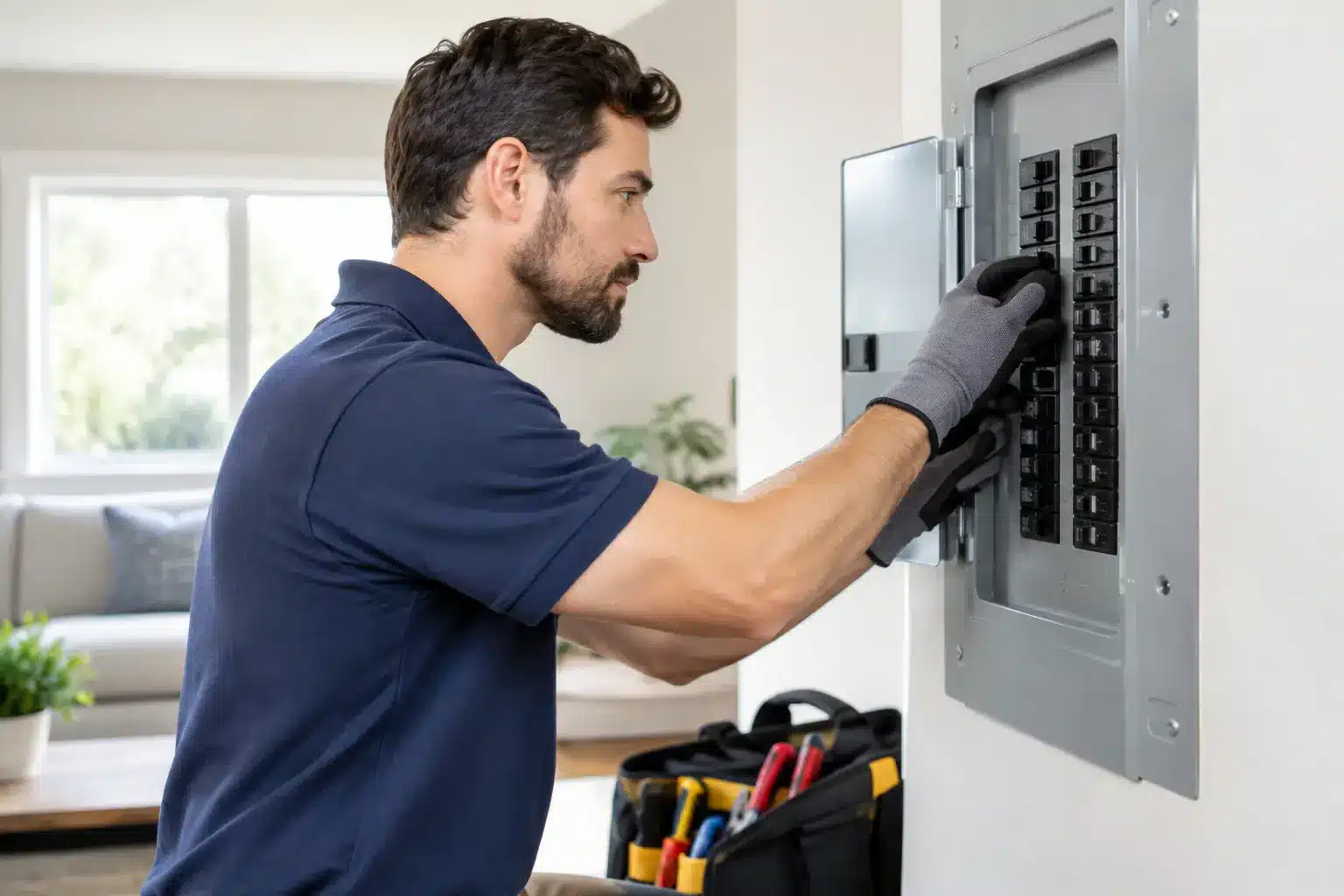
Rewireable fuse boards are not automatically unsafe, but their age and design often warrant closer attention. The electrician will check the condition of the enclosure, fuse carriers, labelling, circuit arrangements and whether the board provides suitable protection for the way the installation is now used.
Modern RCD and RCBO protection can greatly reduce the risk of serious electric shock. Where it is absent, the severity of the observation depends on factors including the circuit type, cable installation method and likelihood of damage. Replacing a fuse board can be a sensible improvement, but it is not a substitute for dealing with poor cable condition or faulty connections elsewhere.
Previous alterations and overloaded circuits
Many old properties have been extended gradually: a loft conversion, replacement kitchen, garden office or additional sockets added years apart. The concern is not the age of the building but whether each alteration was designed, tested and connected correctly.
Warning signs include frequent tripping, warm sockets, flickering lights, scorch marks, a burning smell, damaged accessories and extension leads being used permanently. These symptoms should be checked promptly, especially if they affect a high-load circuit serving a cooker, shower or heating equipment.
Does Old Wiring Mean a Full Rewire Is Needed?
Not always. A full rewire is a major project, and a responsible electrician should not recommend one solely because a property has old cabling. If testing confirms that circuits are safe, insulation resistance is satisfactory, earthing is sound and accessories are in good condition, targeted remedial work may be enough.
A rewire becomes more likely where the installation contains very old cable types, has widespread deterioration, lacks sufficient circuits for modern use, has repeated faults, or cannot be safely adapted for planned building work. It may also be the practical choice when walls and floors are already being opened during a renovation. Completing the electrical work at that stage can avoid paying for disruptive access twice.
There is a trade-off. Minor upgrades can be less disruptive and more affordable in the short term, while a full rewire can provide a cleaner, more flexible installation with capacity for current and future needs. The right decision should follow inspection, testing and a clear explanation of the findings.
Preparing for an EICR in an Older Property
Before the appointment, make the consumer unit accessible and let the electrician know about known faults, recent alterations, outbuildings, solar equipment, electric vehicle chargers or any circuits that must remain live for business-critical equipment. Testing can involve temporary power interruptions, so landlords and businesses should plan accordingly.
Keep any previous certificates, records of fuse board changes and details of major electrical work. They can help establish the history of the installation, although the current condition still needs to be verified through testing.
For landlords, a satisfactory EICR is particularly important because electrical safety checks are a legal responsibility in rented homes. Commercial premises also need a planned approach to inspection and maintenance, particularly where staff, customers or vulnerable users may be affected by an electrical fault.
Choose Investigation Over Assumption
Old wiring deserves proper attention, not automatic condemnation. A visual opinion from a viewing, survey or online photograph cannot confirm whether an installation is safe. Equally, a property that appears tidy may still have serious faults at the consumer unit, within accessories or on circuits hidden from view.
For properties in Stevenage and across the surrounding Hertfordshire area, C.K Electrical Contractors can inspect an installation, explain the report in plain language and carry out only the remedial work that is genuinely needed. If your wiring is old, the most useful next step is a thorough EICR – it replaces uncertainty with evidence and gives you a practical route to a safer property.