A new fuse board, an extra socket or a worrying tripping circuit can all raise the same question: what do the electrical regulations actually require? For homeowners, landlords and business owners, the answer is not simply ‘get it fixed’. Electrical work must be safe, properly tested and, in some cases, certified or notified to Building Control.
The rules can feel technical, but the practical aim is straightforward: prevent electric shock, fire and damage to people, property and equipment. Knowing where your responsibilities begin helps you make the right decision before a small issue becomes a serious one.
What electrical regulations cover in the UK
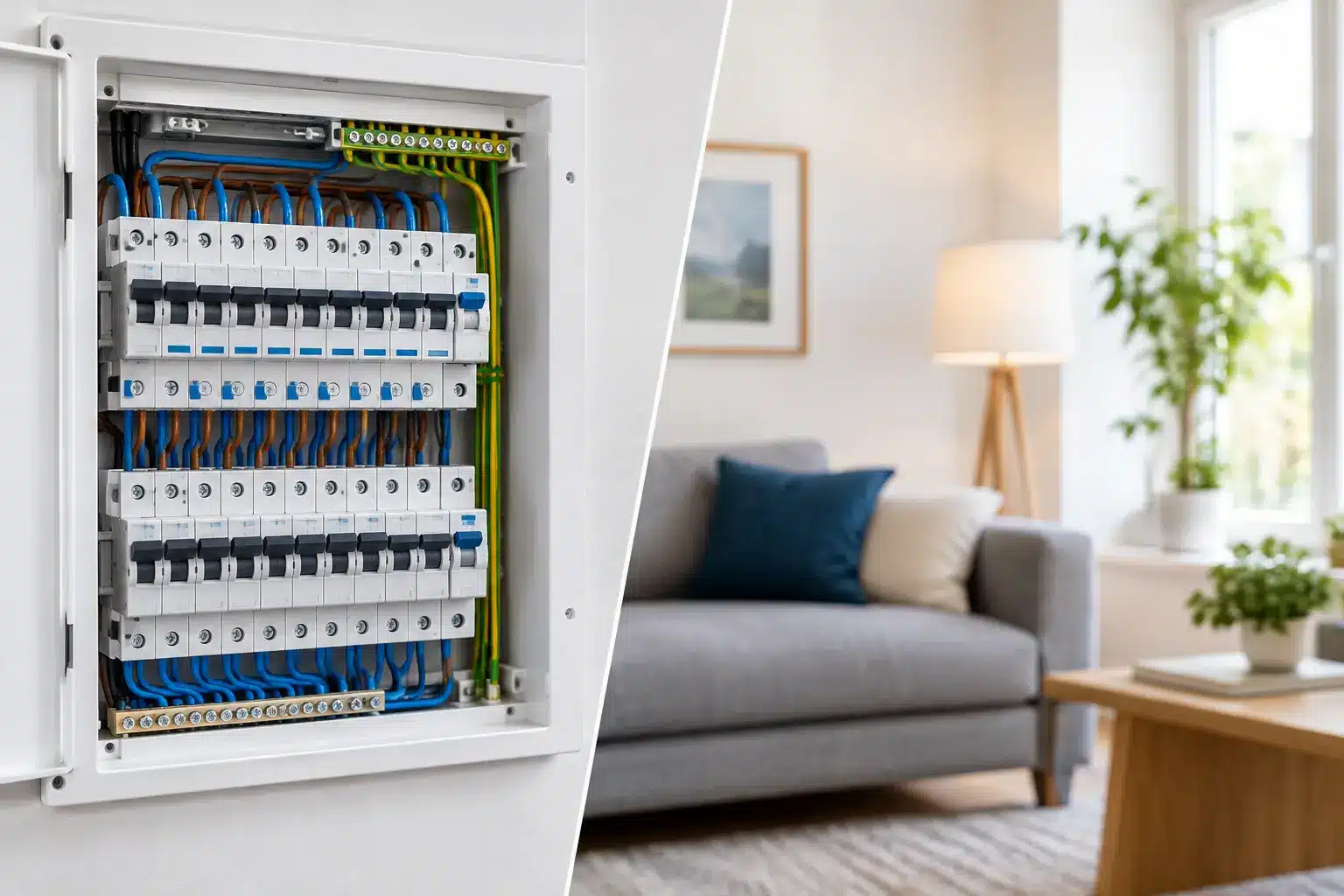
In most domestic, commercial and industrial settings, electrical installations are designed, installed and tested in line with BS 7671, commonly known as the IET Wiring Regulations. These cover the fixed electrical installation: consumer units, circuits, cabling, sockets, lighting, earthing and protective devices.
BS 7671 is not, by itself, an Act of Parliament. However, it is the recognised benchmark for demonstrating that electrical installation work has been completed safely and competently. It is also closely tied to legal duties under the Building Regulations and, in workplaces, health and safety legislation.
For a property owner, this means electrical regulations affect much more than a complete rewire. They can apply when you replace a consumer unit, add a circuit for an electric shower, alter wiring in a kitchen, install outdoor power or carry out remedial work identified during an inspection.
The exact requirement depends on the nature of the work, the type of premises and whether the installation is domestic, rented or used for business. A qualified electrician should assess the existing installation before advising on the right route.
Electrical regulations in homes and rental properties
Homeowners: when certification matters
Not every electrical repair needs the same paperwork. Replacing a damaged socket faceplate is very different from installing a new circuit or changing a fuse board. For more substantial work, testing and certification show that the installation has been checked and meets the required safety standard at the time of completion.
A full Electrical Installation Certificate is normally issued for new installations, new circuits and significant alterations. For smaller additions or changes, a Minor Electrical Installation Works Certificate may be appropriate. These documents are valuable evidence for future buyers, insurers and anyone carrying out later work on the property.
Some domestic work is also notifiable under Part P of the Building Regulations in England. This can include installing a new circuit or replacement consumer unit, as well as certain work in special locations such as bathrooms. A registered electrician can usually arrange notification through their competent person scheme where required, saving the homeowner from dealing with Building Control separately.
It is tempting to judge an installation by whether the lights work and sockets have power. That is not a reliable safety test. Problems with earthing, circuit protection, concealed cable routes or overloaded circuits may not be visible until something fails.
Landlords: clear inspection duties
Landlords in England must have the electrical installation in rented homes inspected and tested at least every five years by a qualified and competent person. They must provide tenants with a copy of the Electrical Installation Condition Report, or EICR, and keep the report available for the local authority if requested.
Where an EICR identifies urgent defects or work that needs improvement, remedial work must be completed within the required timeframe, usually 28 days or sooner if the report specifies it. The landlord must then obtain written confirmation that the work has been completed or that further investigation is required.
An EICR is not just a box-ticking exercise. It checks the condition of the fixed wiring and identifies deterioration, damage, poor previous work, missing protection and signs that the installation may no longer be suitable for the way the property is used. Portable appliances, such as kettles or tenant-owned televisions, are not covered by the fixed-wiring inspection.
For landlords with several properties, keeping certificates, remedial records and inspection dates organised avoids avoidable pressure when a tenancy changes or an authority asks for evidence.
Electrical regulations for businesses and workplaces
Businesses have broader responsibilities because electrical risk extends to staff, visitors, contractors and customers. The Electricity at Work Regulations 1989 require electrical systems to be constructed and maintained so far as is reasonably practicable to prevent danger.
This does not mean every premises needs identical testing intervals. An office with modern wiring and light use has different risks from a warehouse, workshop, commercial kitchen or manufacturing site. The right inspection frequency should reflect the age and condition of the installation, the environment, the type of equipment used and the level of wear.
A commercial EICR gives a business a clear picture of the installation’s condition and any remedial priorities. It can identify issues such as inadequate circuit protection, damaged accessories, poor earthing arrangements, overloaded distribution equipment or circuits that no longer meet the demands placed on them.
Planned testing is normally less disruptive and less costly than responding to an unexpected fault. Where work must take place in an occupied office, retail unit or industrial setting, a competent contractor can plan isolation periods around trading hours or operational needs. There is a balance to strike: delaying work may appear convenient, but leaving a potentially dangerous defect unresolved is rarely a sensible business decision.
The difference between an EICR and a new-work certificate
These documents are often confused, yet they serve different purposes.
An EICR assesses the condition of an existing electrical installation. It records observations and assigns codes to defects based on their severity. A report marked satisfactory means no observations requiring urgent action or improvement were found during the inspection. It does not mean the installation is new, nor does it guarantee that future faults cannot occur.
An Electrical Installation Certificate confirms that specified new work or major alteration was inspected and tested after completion. It should describe the work completed and provide the test results relevant to that installation.
If faults are found during an EICR, the remedial work should be separately documented. Once repairs are completed, a contractor may issue certification for the work undertaken and, where appropriate, confirm that the observations have been addressed. Keep every document together. A clear paper trail makes future inspections more efficient and helps avoid repeated uncertainty over what was changed and when.
Common situations that need professional advice
Electrical work is not always urgent, but certain warning signs should not be ignored. Repeated tripping, burning smells, buzzing from a consumer unit, discoloured sockets, electric shocks or loose fittings all need prompt attention. Switch off the affected circuit if it is safe to do so and arrange for a qualified electrician to investigate.
Upgrades also deserve an assessment before work starts. Adding an electric vehicle charger, heat pump, induction hob, extension, garden office or loft conversion can change the load placed on an existing installation. In some properties, the supply, consumer unit, earthing arrangement or circuit capacity may need upgrading first.
Older homes can present particular challenges. Previous alterations may have been carried out to a different edition of the regulations, and an older installation is not automatically unsafe because it does not match every current requirement. The key question is whether it remains safe for continued use. A professional inspection can separate genuine safety concerns from upgrades that are advisable but not immediately essential.
Choosing the right electrician for compliant work
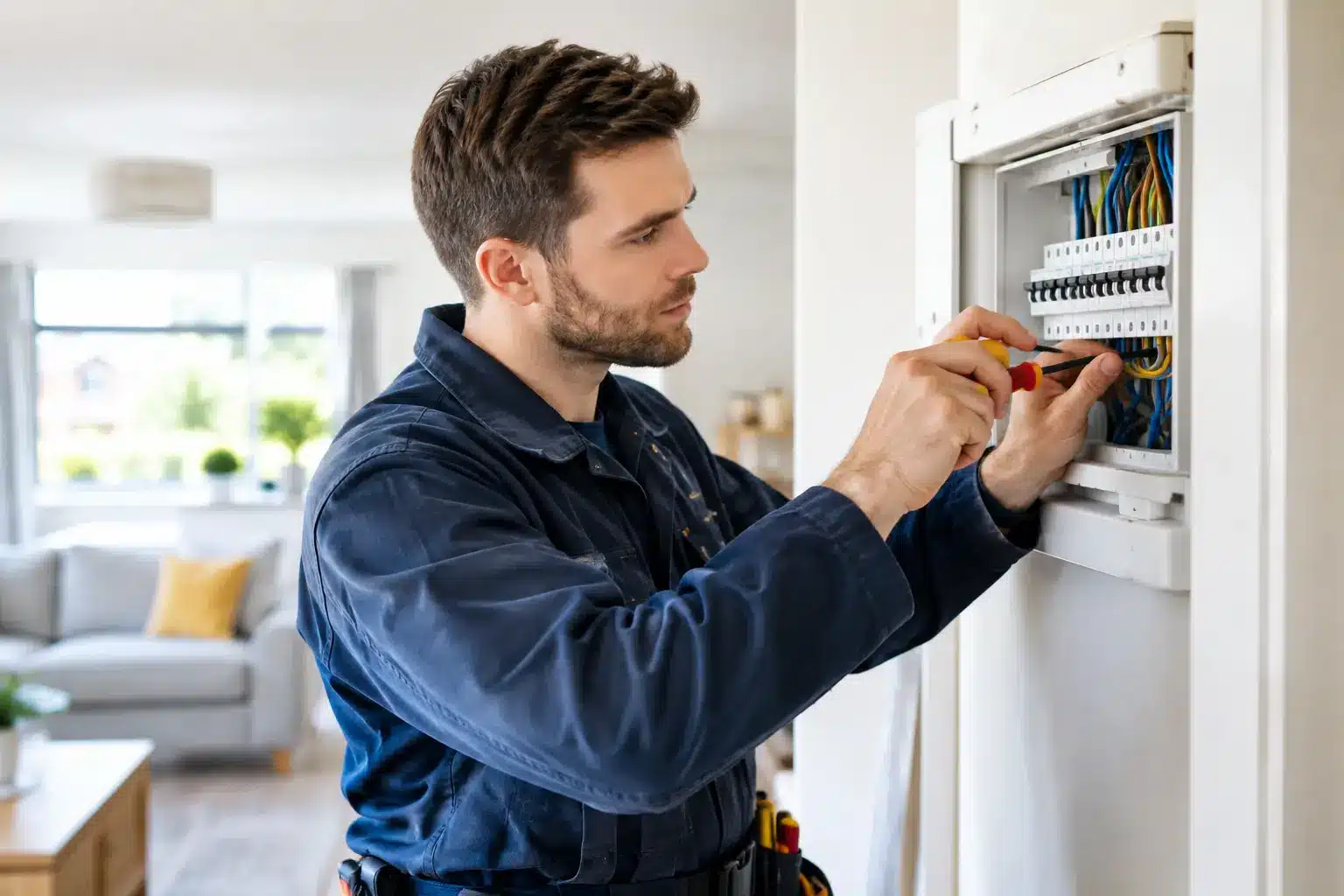
Electrical regulations only protect a property when they are applied properly. Before instructing a contractor, ask whether they are registered with a recognised competent person scheme, whether testing and certification are included in the quotation, and whether Building Regulations notification will be handled if it is needed.
It is also sensible to ask what will happen if the inspection uncovers additional defects. Older installations sometimes reveal issues once testing begins, particularly around earthing, consumer units and hidden wiring. A clear contractor will explain what is urgent, what is recommended and what can be planned for later, rather than treating every observation as the same level of risk.
For properties across Stevenage and the surrounding Hertfordshire area, C.K Electrical Contractors provides testing, remedial work, consumer unit upgrades and electrical installations with safety, clear communication and proper certification at the centre of the job.
Good electrical compliance is not about chasing paperwork for its own sake. It is about having a safe installation, understanding its condition and knowing that the person working on it has tested the result properly. When in doubt, arrange an inspection before altering, extending or relying on an electrical system that is showing its age.