A tenancy can look straightforward until a small compliance gap becomes a failed inspection, an unsafe home or a dispute that takes time and money to resolve. The best landlord compliance tips are not about creating more paperwork for its own sake. They are about building a clear routine that protects your tenants, your property and your position as a landlord.
For landlords across Stevenage and the wider Hertfordshire area, the most reliable approach is to treat compliance as part of normal property management rather than a last-minute task before a new tenant moves in. Start with the legal essentials, record every action and act promptly when an inspection identifies work that needs doing.
1. Keep electrical safety at the centre of your plan
Electrical safety is one of the most important duties in a rented home. In England, landlords must ensure that the electrical installation is inspected and tested by a qualified person at least every five years. This is recorded in an Electrical Installation Condition Report, commonly known as an EICR.
The report must be provided to new tenants before they occupy the property and to existing tenants within 28 days of the inspection. If your local authority asks for a copy, it must also be supplied within the required timescale. Keep the report safely, along with evidence that any required remedial work has been completed.
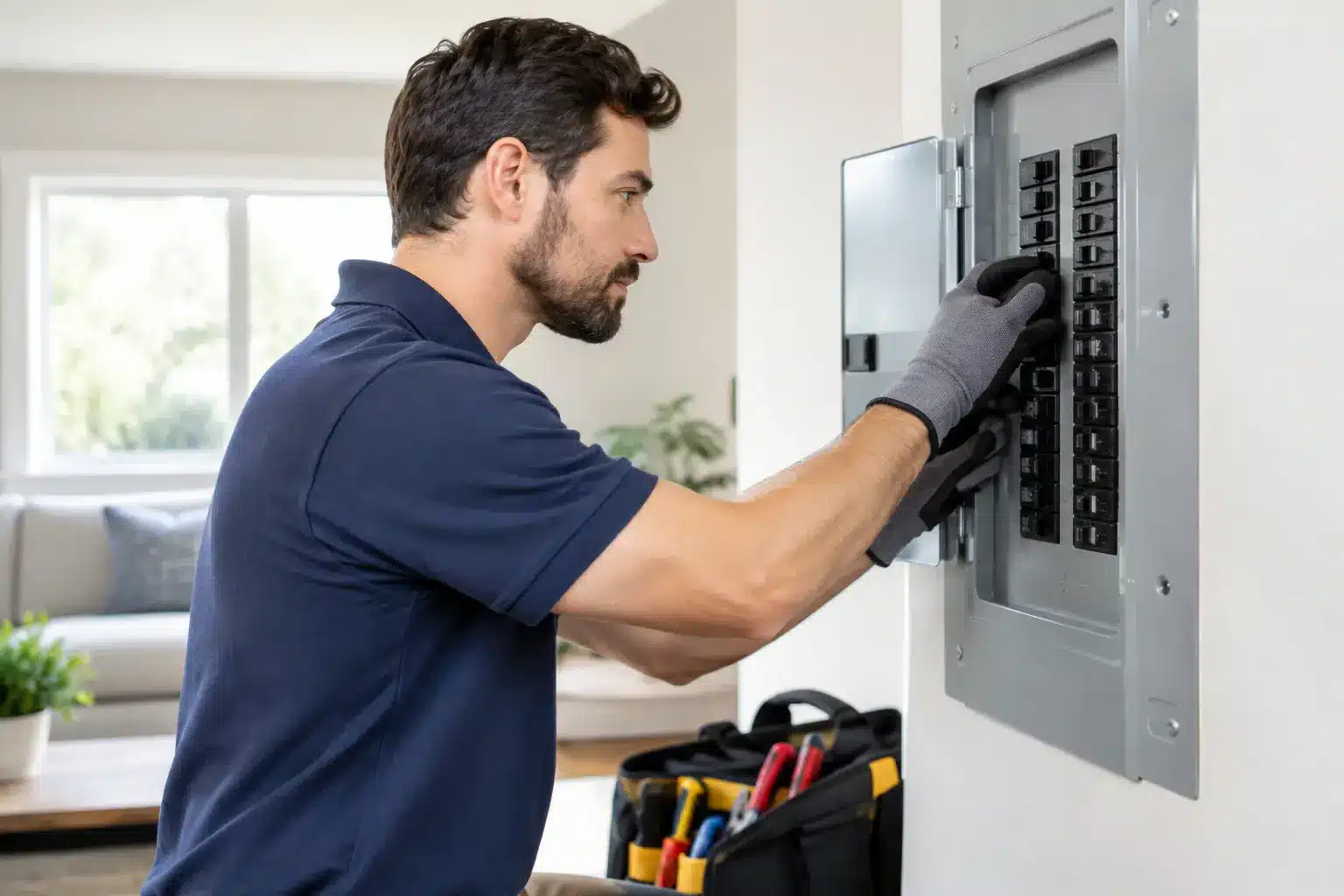
An EICR is not simply a certificate to file away. It assesses the fixed installation, including the consumer unit, wiring, sockets, switches and protective devices. A report may identify faults that require urgent attention, improvements that are recommended or areas that should be investigated further. Do not assume a property is safe because everything appears to work. Hidden wear, poor previous work and ageing equipment are common reasons for problems.
If remedial works are needed, arrange them without delay and retain written confirmation once they are complete. A qualified, NAPIT-registered contractor can inspect the installation, explain the findings clearly and carry out the necessary repairs or upgrades.
2. Do not confuse fixed wiring with portable appliances
An EICR covers the fixed electrical installation. It does not test appliances such as kettles, toasters, lamps, washing machines or supplied white goods. While portable appliance testing is not a blanket legal requirement for every rented property, landlords still have a duty to ensure any electrical equipment they provide is safe.
A sensible approach is to check appliances between tenancies, remove damaged items and keep a basic inventory of what has been supplied. In a furnished let or a shared property with frequent tenant changes, formal appliance testing can provide useful evidence that you have taken reasonable steps.
It also helps to be clear about responsibility. If an appliance belongs to the tenant, it is not usually the landlord’s item to maintain. However, if its use reveals a fault with the socket or fixed wiring, that needs professional attention.
3. Maintain gas, fire and carbon monoxide safety checks
Electrical compliance is only one part of keeping a rental property safe. If there is gas equipment, landlords must arrange an annual gas safety check with a Gas Safe registered engineer and give tenants a copy of the current record.
Smoke alarms must be fitted on every storey used as living accommodation. Carbon monoxide alarms are required in every room used as living accommodation that contains a fixed combustion appliance, excluding gas cookers. Alarms must be tested and working at the start of each new tenancy.
These checks are not a substitute for each other. A working smoke alarm does not make an overloaded electrical circuit safe, and a valid EICR does not replace gas servicing. Put each requirement into one calendar so renewals are never missed.
4. Use a compliance calendar with early reminders
The strongest landlord compliance systems are usually simple. Create one secure record for each property and note every key date: EICR expiry, gas safety renewal, EPC expiry, tenancy start date, deposit deadline, licence renewal and planned maintenance.
Set reminders well before the due date. Four to eight weeks is often enough time to contact tenants, arrange access and deal with any work identified during an inspection. Waiting until a certificate expires can leave you under pressure, particularly if an engineer finds faults that need remedial work before the property can be signed off.
Keep digital copies of certificates, invoices, inspection reports, tenant communications and photographs. A labelled folder for each address makes it far easier to demonstrate what was done and when. It also helps a managing agent, co-landlord or family member take over if needed.
5. Give tenants the right documents at the right time
Compliance is not only about arranging inspections. It is also about providing information correctly. Depending on the tenancy and property, landlords may need to provide the current Energy Performance Certificate, gas safety record, prescribed tenancy information and the latest version of the government renting guide.
If you take a deposit for an assured shorthold tenancy, it must be protected in an approved scheme within the required timeframe. The prescribed information must then be given to the tenant. Missing this step can make a later possession process more difficult and may result in financial penalties.
Before move-in, provide a clear inventory with dated photographs and meter readings. This reduces disagreement over the condition of the property at the end of the tenancy. It is practical evidence, not a sign that you expect a problem.
6. Check property standards before advertising
A rushed handover is where avoidable issues are often missed. Before marketing the property or agreeing a move-in date, walk through it as a tenant would. Check lighting, sockets, extractor fans, heating controls, windows, locks, stairs, handrails and signs of damp or leaks.
The property must meet minimum energy efficiency standards before it is let, subject to limited exemptions. An EPC rating of E is generally the minimum for a domestic private rented property in England. If the rating is low, investigate the cause early. Insulation, heating controls, ventilation and lighting can all affect the rating, but the right solution depends on the building and its condition.
Do not make electrical alterations as a quick fix. Extra sockets, consumer unit changes, new circuits and bathroom electrical work should be designed and installed properly. Poor-quality work can create safety risks and lead to further cost later.
7. Understand when licensing and right to rent checks apply
Some properties require additional or selective licensing from the local authority, especially houses in multiple occupation. Requirements vary by area, property type and number of occupiers, so check the rules that apply to the address rather than relying on what another landlord has done.
Right to rent checks are another key duty for landlords in England. Carry them out before the tenancy begins, keep the required records and diarise any follow-up checks where a tenant has time-limited permission to rent. If you use an agent, confirm in writing who is responsible. Delegating the task does not remove the need for certainty that it has been done correctly.
8. Respond to repairs before they become compliance failures
Tenants should know how to report a fault and what they should do in an emergency. Give them a working phone number or clear reporting route, and encourage early reporting of flickering lights, tripping circuits, burning smells, damaged sockets or electric shocks.
Some faults need urgent action. A repeatedly tripping consumer unit, exposed cable, water near electrical equipment or a hot socket should not wait for a routine visit. Isolate the affected circuit if it is safe to do so and arrange a qualified electrician promptly. For landlords, a responsive repair process is both good service and sound risk management.
At the same time, distinguish between genuine repairs, tenant damage and minor maintenance. The facts matter. Inspect, document what you find and communicate clearly before deciding how work will be handled.
9. Carry out inspections respectfully and record the outcome
Periodic property inspections can spot issues that a certificate alone will not reveal, including damaged fittings, blocked vents, condensation, overloading and unreported leaks. Give proper notice and respect the tenant’s right to quiet enjoyment. Regular inspections should be planned, not used as an excuse for unnecessary visits.
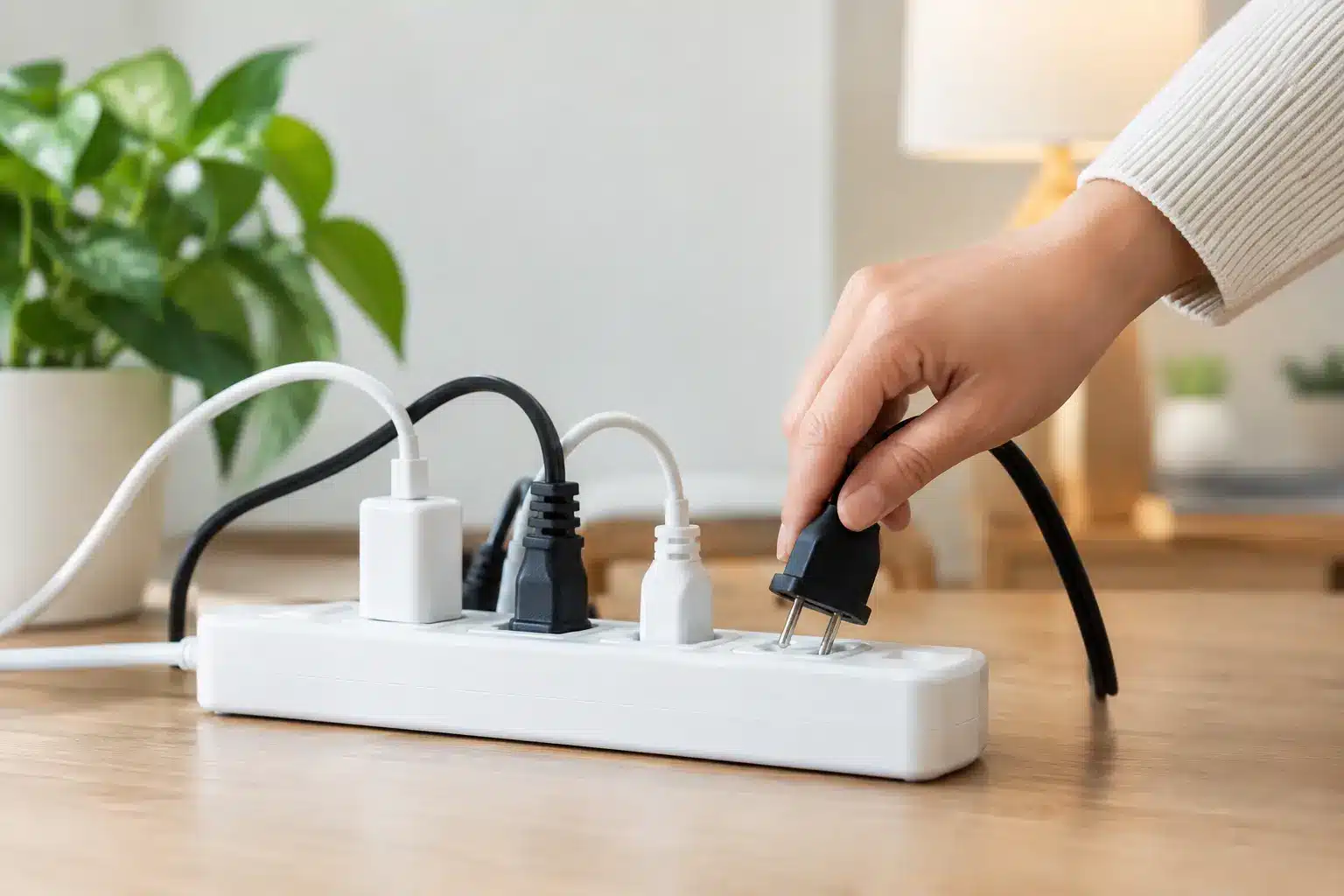
After each visit, make a short written record. Note any repairs agreed, who will arrange them and the expected timescale. If you notice unsafe extension leads, overloaded adaptors or damage to electrical accessories, explain the risk in straightforward terms and take action where the fixed installation is affected.
10. Choose qualified contractors and keep proof of work
Price matters, but compliance work should not be chosen on price alone. Ask whether the contractor is suitably qualified for the job, whether inspection results will be clearly explained and whether you will receive the correct certification once work is complete.
For electrical work, use a competent professional who understands current standards and landlord duties. C.K Electrical Contractors supports landlords with EICRs, remedial works and electrical repairs across Stevenage and nearby areas, helping make sure issues identified during testing are dealt with properly.
The best landlord compliance tips come down to consistency: know what your property needs, plan ahead and keep evidence of every check and repair. That steady approach gives tenants a safer home and gives you fewer surprises when renewal dates or inspections come around.