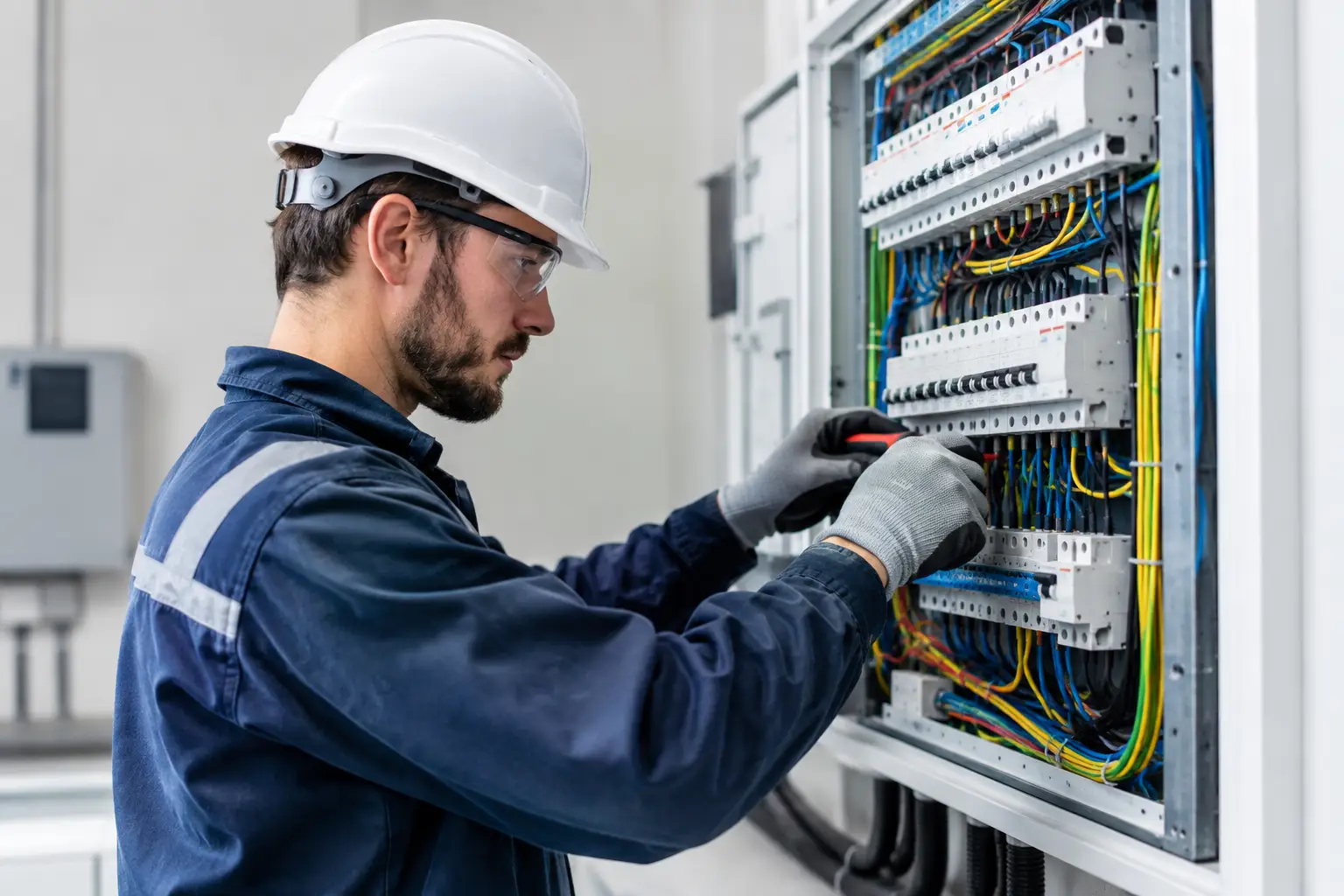
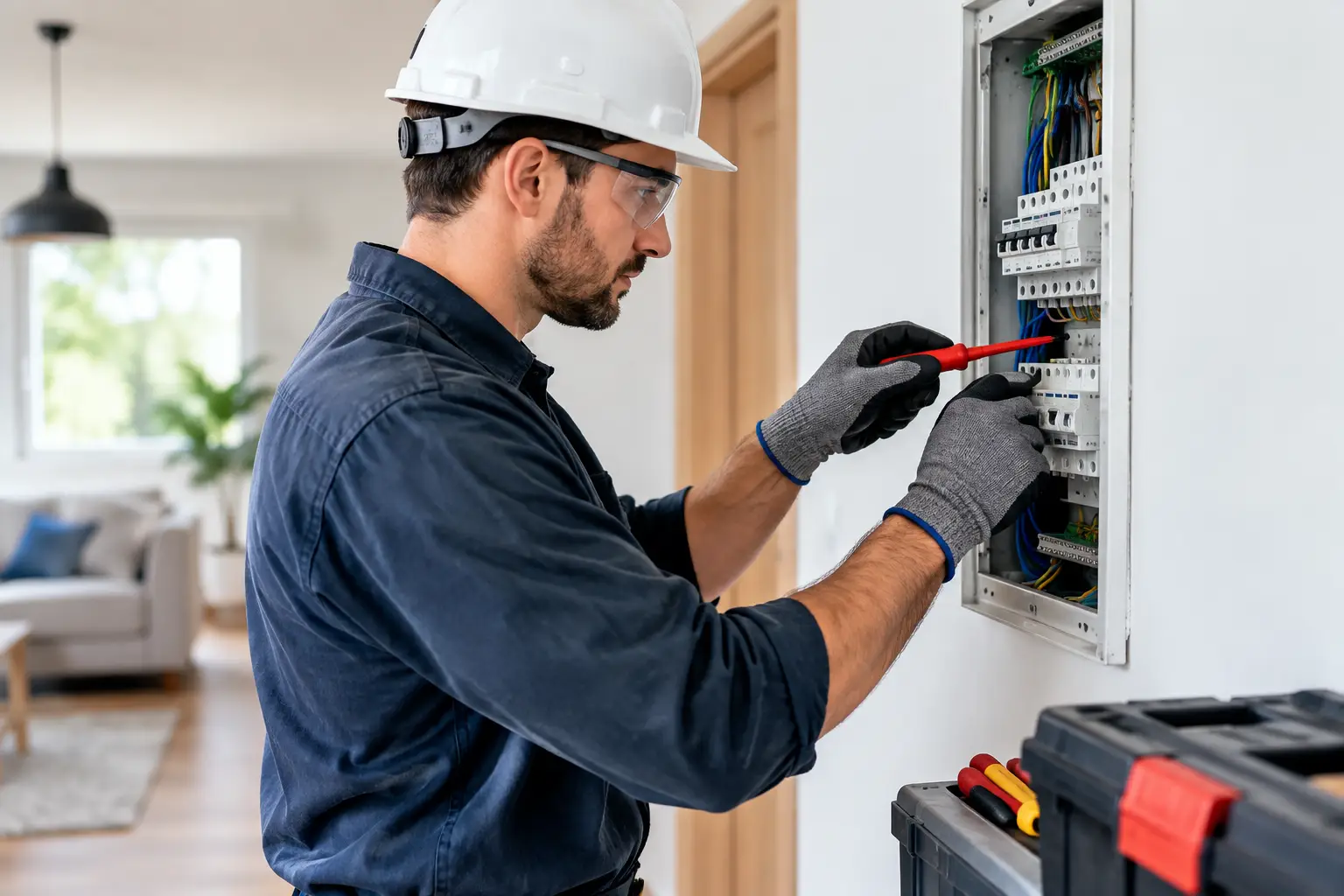
The lights go out, the fuse board keeps tripping, or there is a sharp burning smell near a socket. That is the point an emergency electrician stops being a search term and becomes the person you need quickly. Electrical faults can move from inconvenient to dangerous in minutes, and knowing when to call matters just as much as knowing who to call.
Not every electrical issue is a true emergency. A faulty light fitting in a spare room can often wait for a booked appointment. A sparking consumer unit, exposed live wiring, loss of power to essential equipment, or signs of overheating cannot. The difference is risk – to people, to the building, and to anything relying on a safe electrical supply.
What counts as an emergency electrician call-out?
An emergency electrician is there for faults that need prompt attention because there is an immediate safety issue, active power loss, or a strong chance the problem will worsen if left alone. In homes, that often means tripping circuits that will not reset, burning odours, smoke from fittings, electric shocks from switches or appliances, or complete loss of power where the cause is internal rather than a wider network issue.
In commercial or industrial settings, the definition can be even broader. If lighting failure creates a safety hazard, refrigeration goes down, alarms are affected, or a distribution fault stops operations, waiting until the next working day may not be realistic. Business owners and property managers usually need the problem made safe first, then properly diagnosed and repaired with as little disruption as possible.
There is also the question of partial failure. If one circuit is down but the rest of the property still works, some people assume it is not urgent. Sometimes that is true. Sometimes it points to a damaged cable, a failing breaker, or moisture getting into an accessory. If the affected circuit serves the kitchen, boiler, emergency lighting, server equipment, or anything safety-critical, the urgency changes.
Signs you should call an emergency electrician straight away
Some warning signs are clear. If you can see smoke, scorching, sparking, or melted plastic around a socket, switch, fuse board or appliance connection, you should isolate power if it is safe to do so and call immediately. The same applies if you have received an electric shock from fixed wiring or fittings.
A persistent burning smell is another serious red flag. Electrical overheating does not always produce visible flames first. Loose connections, overloaded circuits and damaged components can build heat quietly behind faceplates or inside consumer units. By the time the smell becomes obvious, the fault may already be advanced.
Repeated tripping should not be ignored either. A breaker or RCD that trips once may have reacted correctly to a one-off issue. If it keeps happening, there is a fault somewhere that needs tracing. Resetting it again and again is not a fix. It can leave you without power at the worst moment and, in some cases, allow a dangerous defect to worsen.
For landlords, there is an extra layer of responsibility. If a tenant reports exposed wiring, loss of power, water ingress near electrics, or a dangerous fitting, fast attendance is part of protecting both the occupier and the property. Delays can turn a repair into a much bigger remedial job.
What to do before the electrician arrives
The first priority is safety, not fault-finding. If there is smoke, a visible fire risk, or signs of serious overheating, switch off the power at the main switch if you can do so safely. Do not touch exposed wires or any fitting that looks damaged. If an appliance seems to be the source, unplug it only if there is no sign of heat damage around the plug or socket.
If part of the property has lost power, check whether your neighbours are affected. That helps rule out a wider supply issue. Then look at the consumer unit. If a breaker has tripped, note which one it is, but avoid repeated resets. One careful reset may be reasonable if there is no burning smell, no signs of damage and no one has had a shock. If it trips again, leave it off.
It also helps to gather a few simple details for the call-out. When did the fault start? What stopped working? Was any new appliance installed recently? Has there been water ingress, recent building work, or ongoing tripping? This kind of information can speed up diagnosis when the electrician gets to site.
Why electrical emergencies need proper diagnosis
The obvious fault is not always the real fault. A dead socket may be caused by a loose connection elsewhere on the circuit. A tripping RCD might point to a damaged outdoor cable, a faulty appliance, or moisture in an accessory. Flickering lights could be a simple fitting issue, or they could relate to poor terminations, overloaded circuits or broader installation defects.
That is why emergency work is not just about restoring power. A qualified electrician needs to test, inspect and identify the cause before deciding on the safest repair. In some cases, the immediate job is to isolate the dangerous section and restore supply to the rest of the property. The permanent repair may follow once parts are sourced or more extensive work is assessed.
This matters particularly in older properties. Ageing wiring, outdated fuse boards and undocumented alterations can make faults harder to trace. The emergency response may solve the urgent problem, but it can also reveal a larger issue such as the need for remedial work, a fuse board upgrade or a partial rewire.
Emergency electrician issues in homes, rentals and businesses
Homeowners tend to call in a panic when the whole house goes off, but smaller warning signs often arrive first. Warm sockets, lights dimming when appliances start, crackling switches and nuisance tripping are all worth taking seriously. Early action is usually cheaper and safer than waiting for a full failure.
For landlords and managing agents, response time affects more than convenience. There are legal and practical duties around electrical safety, especially where tenants may not know how to isolate faults safely. A quick call-out can prevent damage to the installation and show that the issue has been handled responsibly.
Businesses face a different kind of pressure. Lost power can mean lost trade, halted production, security problems or safety risks for staff and visitors. Offices, shops, schools, hospitality sites and workshops all rely on dependable systems. In these settings, an emergency electrician needs to work with a clear eye on compliance, downtime and making the site safe while operations continue where possible.
Choosing the right emergency electrician
Availability matters, but so does competence. In an emergency, the cheapest or fastest option is not always the right one if the fault is only patched over or the underlying issue is missed. You need someone qualified, experienced and used to fault-finding under pressure.
Look for a contractor who can handle more than just the immediate call-out. If the fault leads to a consumer unit replacement, an EICR, remedial works or a rewire, it helps to have one trusted team that can carry the job through properly. That continuity is particularly useful for landlords and commercial clients who need records, clear communication and work carried out in line with current regulations.
A local contractor also has practical advantages. Faster response is one of them, but local knowledge counts too. Properties across Stevenage, Hitchin, Letchworth and the surrounding area range from older homes with dated wiring to newer commercial units with more complex power demands. Experience across both domestic and commercial environments gives a better read on what the fault may involve.
C.K Electrical Contractors takes that approach on emergency call-outs – make the situation safe, identify the fault properly, and recommend the right fix rather than the quickest guess.
The cost of waiting too long
Electrical problems rarely fix themselves. A loose connection gets hotter. Water ingress spreads. A circuit that trips once starts tripping more often. What begins as an after-hours inconvenience can end up damaging appliances, interrupting business, or creating a real fire risk.
There is also the hidden cost of uncertainty. If you are worried about using sockets, turning on lights, or leaving the property unattended, the installation is already failing its basic job. Safe electrics should not leave you second-guessing every switch.
The best time to call an emergency electrician is when the signs point to danger, not after the damage is done. Acting quickly protects people first, and property a close second. If something does not feel right with your electrics, trust that instinct and get it checked properly.