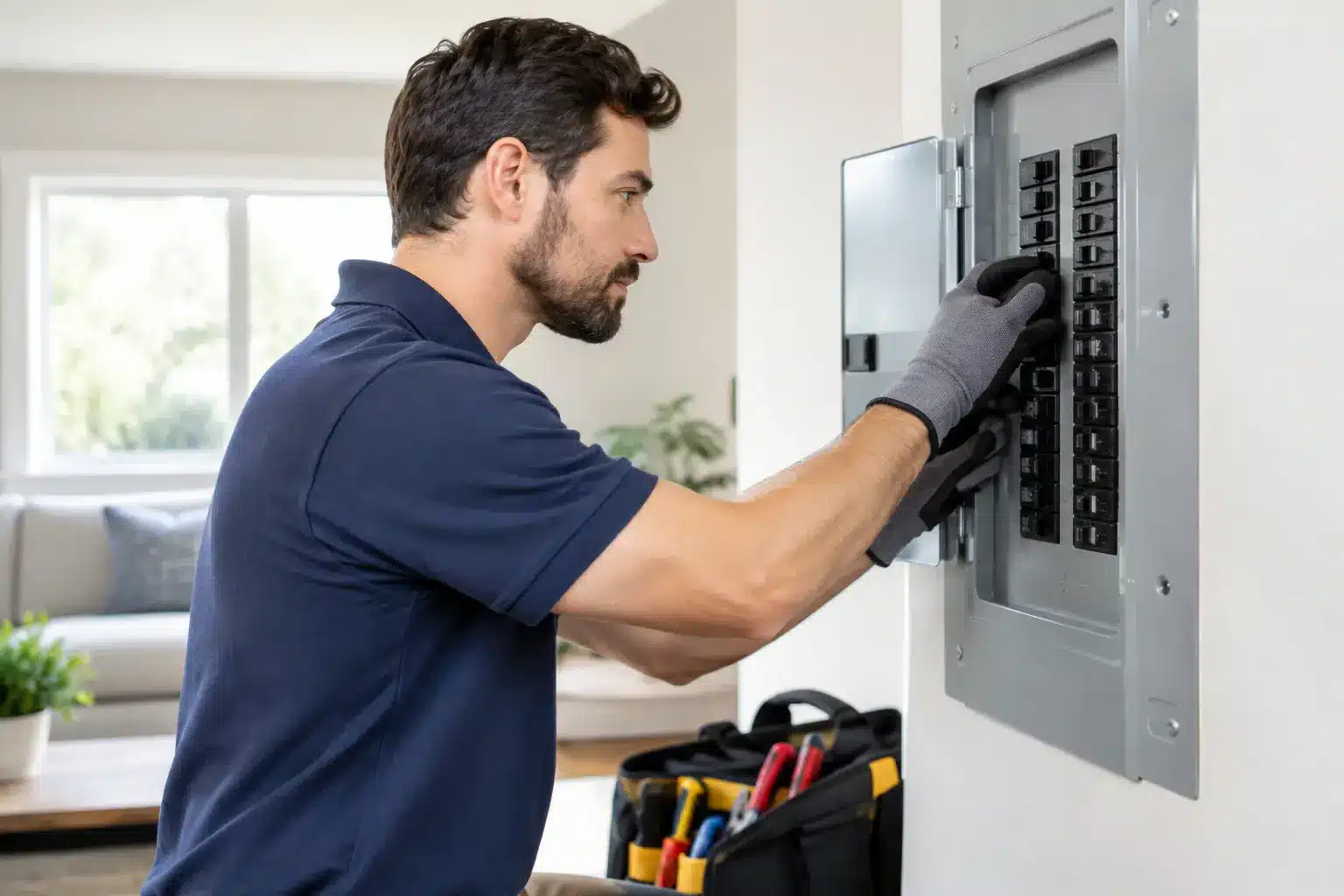
When lights start tripping for no clear reason, sockets feel unreliable, or an older fuse box is still hanging on in the cupboard under the stairs, fuse board replacement Letchworth often moves from a future job to something that needs proper attention now. A consumer unit is the control centre of your electrical system, and when it is outdated, damaged or no longer suitable for the property, it can affect both safety and day-to-day use.
When a fuse board needs replacing
Not every electrical issue means the whole board has to go. Sometimes a single circuit fault, damaged accessory or overloaded circuit is the real cause. That said, there are clear signs that replacement is the right call.
Older fuse boards with rewireable fuses are one of the most common reasons. These units were standard years ago, but they do not offer the same level of protection as modern consumer units fitted with RCDs and other safety devices. If your board still uses old-style fuse wire, it is worth having it assessed.
Another common trigger is repeated tripping. Occasional tripping can happen when there is a fault doing its job, but if it becomes regular, there may be a problem with the board itself or with the way the circuits are arranged. In some properties, the existing consumer unit is simply no longer suitable for the electrical demand of modern living.
You may also need a replacement if you are renovating, extending, rewiring, or trying to bring a property up to current safety expectations before letting or selling it. Landlords in particular often discover issues during an EICR that point towards the need for a new consumer unit.
Why modern consumer units matter
A fuse board is easy to ignore when everything appears to be working. The problem is that older units can leave less margin for safety when something goes wrong. Modern consumer units are designed to disconnect power much faster in the event of a fault, which can reduce the risk of electric shock and fire.
This is where the difference between old and new systems really matters. A modern board can include RCD protection, MCBs for individual circuits, and in many cases surge protection, depending on the installation and the property’s needs. The exact setup depends on the building and how it is used, but the overall aim is the same – better protection, better fault detection and a safer installation.
There is also a practical benefit. New boards are easier to label clearly, easier to test, and easier to maintain in the future. If you ever need fault-finding, alterations or certification work later on, a properly installed modern consumer unit makes that process much more straightforward.
Fuse board replacement in Letchworth – what the job involves
For most property owners, the biggest question is what actually happens on the day. Fuse board replacement in Letchworth is not just a case of swapping one box for another. Before any installation starts, the existing circuits need to be checked to make sure they are suitable for connection to a new consumer unit.
This matters because a new board can highlight problems that an older setup may have been masking. Issues such as poor earthing, inadequate bonding, damaged wiring or faults on individual circuits need to be identified and dealt with properly. A qualified electrician will test the installation before, during and after the replacement, rather than treating it as a quick cosmetic upgrade.
In practical terms, the power will need to be isolated while the work is carried out. For many homes this can be completed within the day, although the exact timescale depends on the condition of the existing installation and whether any remedial work is needed. In commercial settings, planning is often even more important because downtime has to be kept to a minimum.
Once installed, the new consumer unit should be fully tested, labelled correctly and certified. Because this type of work falls under Part P of the Building Regulations, it must be carried out and notified properly where required. That is one reason why experience and registration matter.
It is not always just about age
People often assume an old board automatically means dangerous electrics, but the reality is a little more measured. Some older installations are in better condition than others, and replacement decisions should be based on testing and inspection, not guesswork.
At the same time, age does matter when the protection level is behind current standards or when the board is clearly no longer fit for purpose. A property with added circuits, extra appliances, garden power, electric showers or home office equipment may be pushing an outdated unit beyond what it was originally intended to handle.
That is why proper inspection comes first. The right advice should be based on what is actually in front of the electrician, not on a generic sales line. Sometimes a replacement is essential. Sometimes related remedial work is the bigger issue. A trustworthy contractor will explain the difference clearly.
Choosing the right electrician for fuse board replacement Letchworth
This is one of those jobs where qualifications and process matter just as much as price. A fuse board replacement affects the whole installation, so it needs to be handled by a competent electrician who understands testing, fault diagnosis, certification and current regulations.
Look for a contractor with experience across domestic and commercial work, not just basic installation. If faults appear during testing, they need to be able to identify the cause and put it right safely. Registration with a recognised body such as NAPIT is another useful sign that the work will be carried out to the right standard.
It also helps to choose a local electrician who can respond quickly if there are questions before the job or if related work comes up afterwards. For customers in and around Letchworth, that local coverage matters. Electrical issues are disruptive enough without waiting days for someone to come back and finish the job properly.
A good contractor will normally talk you through the likely scope of the work, explain whether any existing circuits need attention, and be clear about certification and testing. Straight answers are usually a sign you are dealing with the right kind of firm.
What affects the cost?
There is no sensible fixed price for every property because fuse board replacement depends on more than the unit itself. The size of the property, number of circuits, condition of the wiring, earthing arrangements and whether extra protection is required all play a part.
A straightforward replacement in a well-maintained home will usually be less involved than a change in an older property where faults, missing labels or poor previous work come to light. That is why quotes should be based on inspection and realistic expectations, not a one-size-fits-all figure.
Commercial premises can vary even more. A small office and a workshop have very different demands, and access arrangements or working hours may affect how the job is planned. In some cases, out-of-hours work is the best option to avoid disruption.
The cheapest quote is not always the best value if it does not allow time for proper testing or excludes remedial work that later turns out to be necessary. With electrical safety, cutting corners rarely stays cheap for long.
Domestic and landlord concerns
For homeowners, replacing a fuse board is often about peace of mind as much as compliance. If you have just moved into an older property, started noticing faults, or are planning improvements, upgrading the consumer unit can make the rest of the installation safer and easier to manage.
For landlords, the decision is often tied to inspection results and tenant safety. If an EICR highlights issues with the consumer unit or identifies the lack of suitable fault protection, replacement may be the most practical route to bringing the installation up to standard. It also helps reduce the chance of avoidable callouts later.
Family-run contractors with broad experience in testing, remedial works and installations are often well placed for this kind of work because they can handle the full picture, not just the board change itself. That is particularly useful when a property has a mix of old wiring, later alterations and incomplete paperwork.
A safer setup starts with the right assessment
If you are considering fuse board replacement in Letchworth, the best next step is not guessing from the age of the box or waiting for another trip to happen. It is having the installation assessed properly so you know whether the board is the issue, whether the circuits are in good shape, and what work is actually needed. Good electrical work is not about pushing unnecessary upgrades. It is about making sure the property is safe, compliant and ready for everyday use without uncertainty hanging over it.