A light that flickers once may be nothing. A socket that feels warm, a breaker that keeps tripping, or wiring that has not been checked for years is a different matter. This electrical safety inspection guide is here to help homeowners, landlords and business owners understand what an inspection involves, what it can uncover, and when it is sensible to book one before a minor fault turns into a dangerous one.
What an electrical safety inspection is really for
An electrical safety inspection is not just a box-ticking exercise. It is a structured check of your installation to see whether it is safe for continued use and whether it meets current standards closely enough to avoid unnecessary risk. In practice, that means looking at the condition of wiring, sockets, switches, fuse boards, earthing and bonding, along with signs of overloading, damage, wear or poor previous work.
For many property owners, the biggest value is not the paperwork. It is knowing whether the system behind the walls is doing its job safely. Electrical faults often build quietly. Cables can deteriorate, connections can loosen, and older consumer units may no longer offer the level of protection expected today. You may not notice a problem until you smell overheating, lose power or face a failed compliance check.
Who should use this electrical safety inspection guide
If you own a home, this matters when buying, renovating, extending or simply staying in an older property that has not been tested in some time. If you are a landlord, regular inspection is part of your legal duty to keep the electrical installation safe. If you manage a shop, office, warehouse or rental portfolio, inspections help reduce disruption, liability and avoidable repair costs.
The timing depends on the type of property and how it is used. A modern owner-occupied home with no history of faults may need attention less often than a busy commercial site with heavier demand on its circuits. A rented property, especially with tenant turnover, deserves a more formal schedule. The right interval is not guesswork. It should reflect use, age, condition and any legal requirements that apply.
What happens during an inspection
A proper inspection combines visual checks with testing. Both matter. Looking only at sockets and switches will not reveal everything, and testing alone misses obvious signs of damage or poor workmanship.
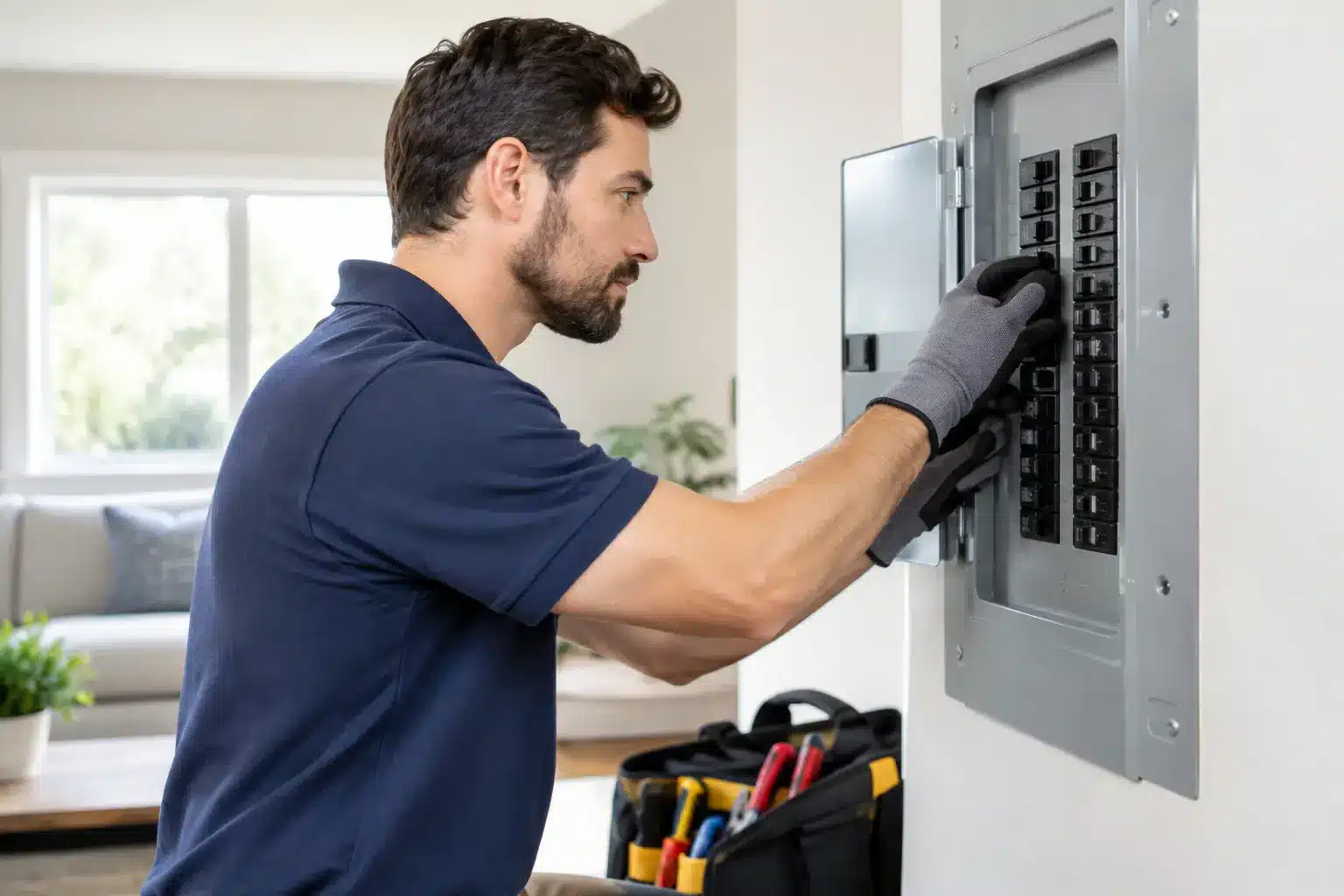
The electrician will usually begin by assessing the overall installation. That includes the consumer unit, the type and condition of protective devices, visible wiring, accessories, earthing arrangements and bonding to services such as gas and water. Signs of burning, cracking, loose fittings or outdated components are important because they often point to wider issues.
Testing then goes deeper. Circuits are checked to confirm they are connected correctly and protected properly. This can include continuity testing, insulation resistance testing, polarity checks, earth fault loop impedance and RCD testing where applicable. The purpose is straightforward – to confirm that the system will disconnect faults fast enough and that hidden parts of the installation are not presenting a shock or fire risk.
In many cases, the result is issued as an Electrical Installation Condition Report, often called an EICR. That report records observations, assigns codes to any issues found, and states whether the installation is satisfactory or unsatisfactory for continued use.
What inspectors are commonly looking for
Older properties often reveal a mix of electrical generations. You may have a modern socket faceplate connected to ageing cabling, or an upgraded kitchen supplied by a fuse board that no longer reflects current safety expectations. That does not always mean the whole property needs rewiring, but it does mean the installation needs proper assessment.
Common issues include lack of RCD protection, damaged accessories, overloaded circuits, poor earthing, inadequate bonding, DIY alterations, exposed live parts and signs of heat damage around terminals or boards. In commercial premises, another concern is wear caused by heavier daily use, especially where equipment, lighting or machinery place more demand on the system.
There is also a practical difference between code issues and immediate danger. Some findings indicate urgent action is needed. Others relate to improvement work that should be planned rather than panicked over. A good electrician explains the difference clearly so you know what must be dealt with now and what can be scheduled sensibly.
When to arrange an inspection
There is no single rule that suits every property, but there are clear moments when an inspection makes sense. If you have just bought a property, especially an older one, an inspection gives you a realistic picture of the installation before faults become your problem. If you are planning major alterations, you want confidence that existing circuits are suitable for extra load.
Landlords should be especially careful to keep inspection dates under control. Lettings carry legal and safety responsibilities, and relying on a tenant to report faults is not enough. An inspection provides a documented view of the installation condition and helps identify remedial work before it affects tenant safety or compliance.
Business owners should not wait for a failure. If power loss stops trading, damages stock or interrupts operations, the cost of downtime can quickly exceed the cost of routine testing. In busy environments, planned inspection is usually the more economical option.
How to prepare for an electrical safety inspection
Preparation does not need to be complicated, but it helps the process run more efficiently. Make sure the electrician has access to the consumer unit, meter position and as many sockets, switches and fixed electrical points as possible. If there are known faults, mention them at the start. If previous certificates or reports are available, have them ready.
In rented or commercial properties, think about timing. Some testing may require temporary power interruption, so it is better to plan around occupancy and trading hours. A well-organised visit reduces disruption and allows the electrician to inspect more thoroughly rather than working around blocked access or unexpected constraints.
What the report codes mean in practice
One area that often causes confusion is coding on an EICR. While the technical coding system is standard, the meaning should be translated into plain English. A dangerous issue requiring immediate action is very different from a recommendation to improve something that is not ideal but not currently unsafe.
If a report is marked unsatisfactory, that does not automatically mean the whole installation is beyond saving. It means one or more observations are serious enough to require attention. In many cases, targeted remedial work can bring the installation back to a satisfactory condition without the need for a full rewire. The right solution depends on the age of the system, the extent of defects and whether piecemeal repairs remain sensible long term.
Choosing the right electrician matters
The quality of the inspection depends heavily on who carries it out. You need a qualified electrician who understands inspection and testing, works to current regulations and is prepared to explain findings clearly. That is especially important when the result may affect a tenancy, sale, insurance position or day-to-day business use.
For property owners in Stevenage and nearby areas, using a local contractor can also make follow-up work easier if faults are found. An inspection is only half the job when remedial repairs are needed. A dependable contractor should be able to identify the problem, quote clearly and carry out the necessary work safely and without delay. That practical, hands-on approach is exactly what customers expect from a family-run business such as C.K Electrical Contractors.
Why delaying an inspection can cost more later
Electrical problems rarely improve on their own. A loose connection creates heat. Heat damages insulation. Damaged insulation increases fault risk. What begins as a nuisance trip or an intermittent issue can become a bigger repair, or worse, a safety incident.
There is also the question of confidence. Whether you are living in the property, letting it out or running a business from it, you should not have to second-guess the condition of the electrics. A proper inspection replaces uncertainty with evidence. It helps you make decisions based on the real state of the installation, not assumptions.
If your wiring has not been checked for years, if you are responsible for tenants, or if your premises rely on uninterrupted power to operate safely, an inspection is not overcautious. It is simply good management. Getting ahead of faults is nearly always easier than reacting once something fails.