If you have been quoted one price for a flat and a very different figure for a larger house or commercial unit, that is not a red flag – it is usually a sign the electrician is pricing the job properly. EICR certificate cost depends on how much of the installation needs to be inspected, tested and reported on, not just on turning up and filling in paperwork.
For homeowners, landlords and business owners, that distinction matters. A cheap quote can look appealing until it misses key testing, excludes the report, or leaves you with extra charges you were not expecting. A proper Electrical Installation Condition Report is about safety and compliance first, with pricing shaped by the size, complexity and condition of the installation.
What is included in EICR certificate cost?
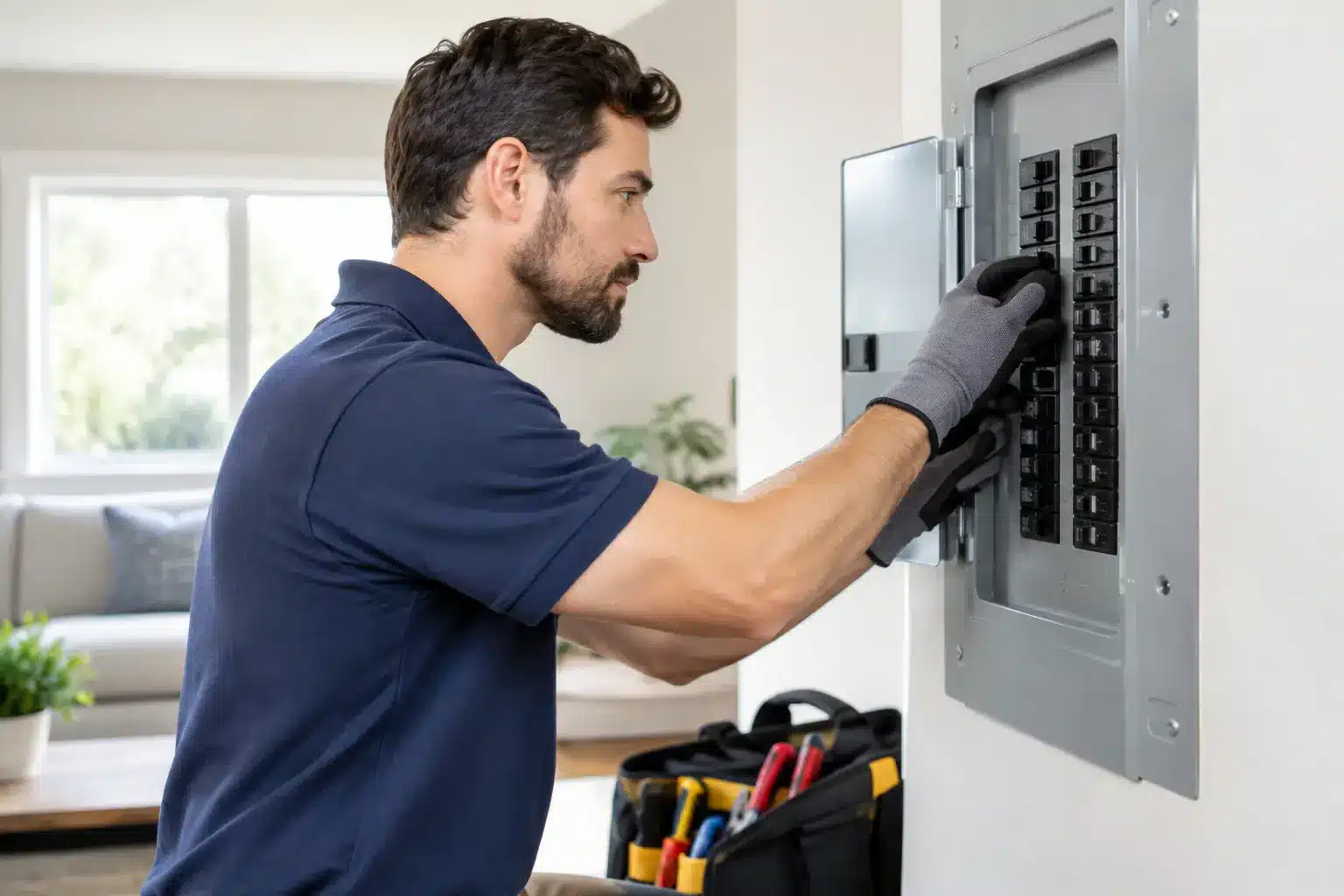
An EICR is not a certificate in the same way as a simple pass slip. It is a formal inspection and testing process carried out on the fixed electrical installation. That includes the consumer unit, circuits, wiring, accessories and earthing arrangements. The electrician then records observations, notes any defects and issues the report.
So when you look at EICR certificate cost, you are really paying for time on site, testing equipment, professional judgement and clear documentation. In most cases, the quoted price should cover the inspection, testing and written report. If it does not, that needs to be made clear from the outset.
For landlords, there is also a legal angle. In rented properties, the report must be carried out by a qualified person and any issues classed as dangerous or potentially dangerous must be addressed within the required timescale. For commercial premises, the report helps demonstrate that the installation is being maintained in a safe condition. In both cases, it is more than a box-ticking exercise.
What affects EICR certificate cost?
The biggest factor is property size. A one-bedroom flat with a small number of circuits takes far less time to inspect than a five-bedroom house, a shop with back-office space, or an industrial unit with three-phase equipment. More circuits mean more testing, more observations and more report writing.
The age of the installation also makes a difference. Newer properties with modern consumer units, clearly labelled circuits and accessible wiring are usually more straightforward. Older installations can take longer because there may be outdated equipment, signs of previous alterations, missing labels or limited access to parts of the system.
Condition matters too. If an installation has been well maintained, the inspection tends to be smoother. If there are obvious defects, poor workmanship from earlier jobs or signs of DIY alterations, the electrician may need more time to investigate properly. That can affect cost, and rightly so.
Access is another practical point people often overlook. If rooms are full of stored items, if sockets are blocked by furniture, or if a business can only allow testing outside trading hours, the job becomes less straightforward. In commercial and industrial settings, downtime, access restrictions and health and safety procedures can all influence the final figure.
Typical EICR cost ranges
There is no single fixed rate across the industry, but as a rough guide, a small domestic property will usually cost less than a larger home, and commercial premises are often priced after a site assessment or based on the number of circuits. That is because two buildings of a similar size can have very different electrical setups.
For example, a modern two-bedroom flat may be a relatively simple job. A similar-sized older property that has had extensions, fuse board changes and bits of wiring altered over the years may take considerably longer. On paper they look alike. In practice, they are not.
This is why low headline prices should be treated with caution. If a quote seems much cheaper than others, ask exactly what is included. Does it cover the full inspection and written report? Is there a limit on the number of circuits? Will there be an extra charge if faults are found? Those questions can save time and frustration later.
Domestic, landlord and commercial EICRs are priced differently
Homeowners usually book an EICR because they have not had the electrics checked in years, they are buying or selling, or they want reassurance after noticing faults. In these cases, pricing is often based on the size of the home and the number of circuits.
Landlord EICRs can be similar in physical scope, but they carry compliance responsibilities. The report needs to be clear, properly coded and suitable for record keeping. If remedial work is required, that should be costed separately so the landlord understands what is needed to bring the installation up to a satisfactory standard.
Commercial EICRs are often more involved. Offices, retail units, schools, workshops and hospitality premises may have more circuits, more equipment and tighter access windows. Some sites need testing to be planned around staff, customers or production. That extra coordination affects the price, but it also reduces disruption and helps the inspection get done properly.
Why remedial work is not usually included
One of the most common misunderstandings around EICR certificate cost is the idea that the quoted price includes fixing any problems found. Usually, it does not. The inspection and report are one job. Remedial work is another.
That is not a hidden cost if it has been explained clearly. No electrician can know in advance exactly what faults will be uncovered until testing has taken place. Some reports come back satisfactory with only minor recommendations. Others reveal issues such as inadequate earthing, overloaded circuits, damaged accessories or consumer units that no longer meet current safety expectations.
Once the report is completed, the electrician can then provide a separate quotation for any remedial works required. That keeps the process transparent. You know what the inspection cost, what the defects are and what it will take to put them right.
Is the cheapest quote worth it?
Usually, not if it is cheap for the wrong reasons. A proper EICR takes time. It involves isolating circuits, carrying out dead and live testing, checking protective devices and recording findings accurately. If the price is unrealistically low, something often gives – either the time spent on site, the depth of the inspection or the quality of the reporting.
That matters because an EICR is only useful if it is thorough. A rushed inspection may miss defects or produce a vague report that creates more confusion than clarity. For landlords and businesses, poor reporting can also create compliance problems.
A fair price from an experienced, properly registered electrician is normally better value than a bargain quote that leaves questions unanswered. You are paying for competence, not just attendance.
How to compare EICR quotes properly
The easiest way to compare quotes is to look beyond the total. Ask whether the report is included, whether the quote is based on the number of circuits, and whether there are additional charges for out-of-hours work or difficult access. If it is a rented property or business premises, check that the electrician is experienced in that type of inspection.
It is also worth asking how observations and remedial recommendations will be presented. A clear, well-structured report makes it easier to understand what needs attention now and what can be planned for later. That is especially helpful for landlords managing compliance deadlines and for business owners trying to schedule repairs with minimal disruption.
For property owners in and around Stevenage, using a local contractor can also make practical sense. If follow-up work is needed, it is usually easier to arrange quickly with an electrician who already works regularly across the area.
When paying more makes sense
Not every higher quote is inflated. Sometimes it reflects the reality of the installation. Older homes, larger premises and properties with a history of alterations often need more time and more care. In those cases, a detailed inspection is worth paying for because it gives you a clearer picture of safety, compliance and likely future work.
That is particularly true if you have recurring tripping, signs of overheating, dated wiring accessories or uncertainty about previous electrical work. A thorough EICR can identify whether the issue is minor or part of a wider problem. That kind of clarity is far more valuable than a low initial fee that tells you very little.
At C.K Electrical Contractors, this is exactly why EICRs are approached as a professional inspection rather than a paper exercise. The aim is to give customers a reliable view of the condition of their installation, explain any defects clearly and price follow-up work honestly if it is needed.
If you are trying to judge whether an EICR quote is reasonable, the best question is not simply “how much?” but “what am I getting for that price?” A well-carried-out report gives you certainty, and when electrical safety is involved, certainty is worth having.