A tenant reports that the kitchen sockets feel warm, the lights flicker when the kettle is switched on, or a circuit keeps tripping. These are not issues to leave until the next inspection. The best landlord electrical safety tips start with acting early, keeping clear records and using a qualified electrician whenever the installation needs testing, repair or alteration.
For landlords, electrical safety is about more than avoiding inconvenient call-outs. It protects tenants, reduces the chance of property damage and helps you meet your legal responsibilities. A well-maintained installation also gives prospective tenants confidence that the property is managed properly.
1. Keep a valid EICR for every rented property
In England, private landlords must have the electrical installation inspected and tested at least every five years by a qualified and competent person. The resulting Electrical Installation Condition Report, usually called an EICR, identifies whether the fixed wiring and associated equipment are safe for continued use.
Do not assume an older report still applies because the property appears unchanged. Check its recommended next inspection date and arrange the work well before it expires. An EICR is particularly valuable between tenancies, after major building work, or where a property has a history of tripping circuits, damp or DIY alterations.
The report may record observations using classification codes. A C1 means danger is present and immediate action is required. A C2 identifies a potentially dangerous condition needing urgent remedial work. FI means further investigation is needed. These findings should never be treated as paperwork alone.
2. Give tenants the required documents promptly
The regulations require landlords to provide a copy of the EICR to existing tenants within 28 days of the inspection and to new tenants before they move in. If a prospective tenant asks for it, a copy must be supplied within 28 days. Keep a digital and printed copy with your tenancy records, alongside invoices and certificates for any remedial work.
Good documentation makes handovers smoother and demonstrates that concerns have been dealt with. If the local authority requests the report, it must be provided within seven days. More importantly, clear records stop small maintenance issues being lost between agents, contractors and tenancy changes.
3. Treat tripping circuits as a warning, not a nuisance
A fuse board or consumer unit trips to protect people and property. Repeatedly resetting a breaker without finding the cause can leave an underlying fault unresolved. The problem could be a faulty appliance, damaged cable, water ingress, overloaded circuit or a defect in the fixed installation.
Ask the tenant which circuit has tripped, what was being used at the time and whether there are visible signs such as burning smells, buzzing, heat or discolouration. If there is any sign of danger, advise them not to touch the affected equipment and arrange an electrician urgently. Never tell a tenant to replace a fuse, remove a cover or carry out electrical repairs themselves.
4. Check the consumer unit is accessible and suitable
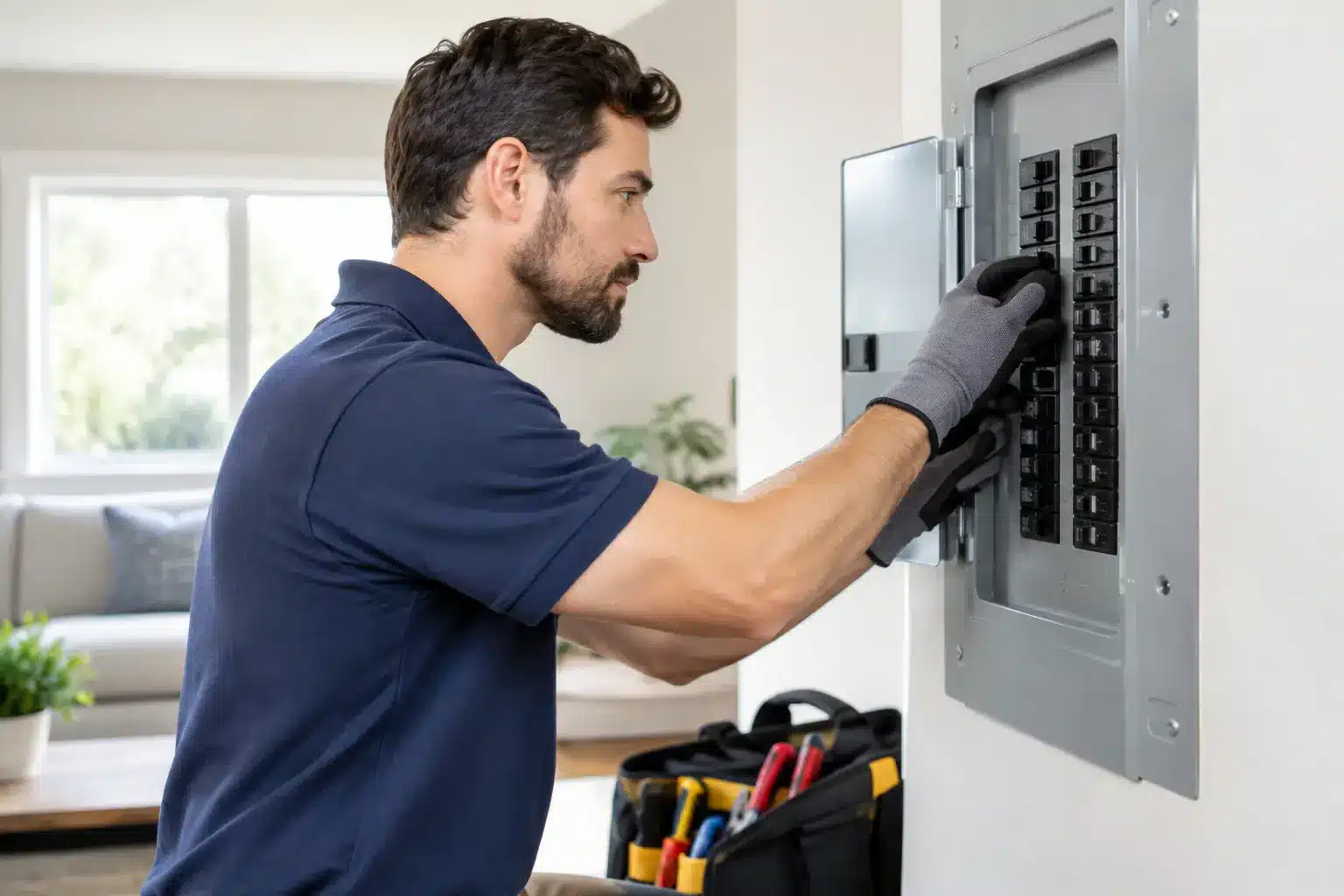
The consumer unit should be accessible, clearly labelled and kept free from stored items. Tenants need to know where it is, how to identify a tripped switch and how to turn off the main supply in an emergency. A simple explanation at check-in can prevent panic and reduce unsafe guesswork.
Older fuse boards may not provide the level of protection expected in a modern rental property, particularly if they lack residual current device protection. Whether a replacement is necessary depends on the condition of the installation, the EICR findings and any planned improvement work. A qualified electrician can assess this properly rather than recommending a replacement on age alone.
5. Do not overlook sockets, switches and light fittings
Visible accessories are often where tenants first notice a problem. Cracked socket fronts, loose switches, exposed wiring, broken pendant fittings and damaged pull cords should be repaired without delay. In kitchens, bathrooms and utility areas, wear, moisture and heavy appliance use can make defects more serious.
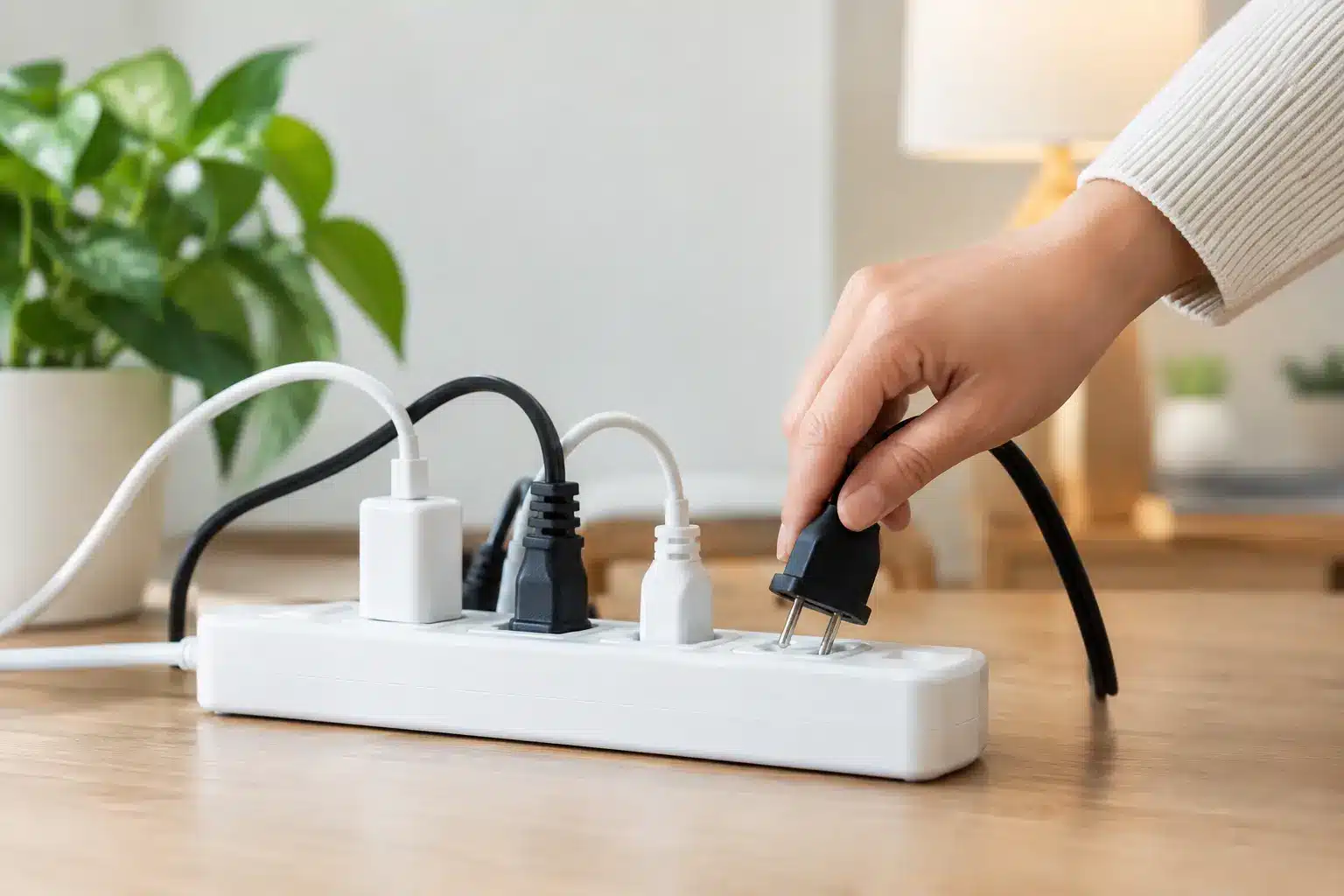
Make basic visual electrical checks part of your routine property inspections. You are not testing the installation yourself; you are looking for damage, unsafe alterations and signs that a professional needs to attend. Pay close attention to extension leads running under carpets, multi-way adaptors overloaded with chargers and appliances, and sockets that feel loose or hot.
6. Control alterations and avoid unqualified work
Tenants should not be adding sockets, changing light fittings, fitting electric showers or altering wiring without written permission and suitable evidence that the work has been completed correctly. The same applies to hurried landlord repairs. Electrical work is not an area for improvised fixes, even when the job looks minor.
If a tenant asks to install an appliance or make an alteration, discuss the load, location and existing circuit capacity first. An electric cooker, induction hob, shower or vehicle charger may need a dedicated circuit or other upgrades. Agreeing the work in advance is safer and avoids costly remedial work when the tenancy ends.
7. Take damp and water leaks seriously
Water and electricity are a dangerous combination. A leak from a roof, bathroom, washing machine or upstairs flat can affect light fittings, socket outlets, cables concealed in walls and the consumer unit. Even after a leak appears to have stopped, corrosion or trapped moisture can create faults later.
Where water has reached electrical equipment, isolate the affected circuit if it is safe to do so and arrange professional inspection before putting it back into service. Do not rely on a fitting drying out naturally. This is especially relevant in vacant properties during winter, when frozen pipes and unnoticed leaks can cause substantial damage.
8. Keep outdoor electrical equipment in good order
External sockets, garden lighting, electric gates, sheds and outbuildings need the same attention as internal circuits. Weather exposure, garden tools, rodents and accidental damage can all affect cables and fittings. Outdoor equipment must be suitable for its environment and protected appropriately.
Before a new tenancy, check that external sockets have intact covers, cables are not trailing across paths and lights are securely fixed. If tenants use garden equipment, remind them not to use damaged leads or run extension cables through open windows and doors. A simple outdoor socket installation can be safer than a long lead fed from inside the property.
9. Make appliances part of your safety plan
The EICR covers the fixed electrical installation, not the landlord’s portable appliances. If you provide appliances such as washing machines, fridges, kettles, lamps or microwaves, keep them in safe condition and arrange appropriate inspection and testing where needed. Portable appliance testing can be a sensible management measure, particularly for furnished lets and HMOs, but it does not replace regular visual checks.
Check plugs, leads and casings between tenancies. Remove any appliance with a damaged cable, cracked casing, loose plug or signs of overheating. Tenants are responsible for their own appliances, but they should still know to report a damaged socket or a fault that affects the property supply.
10. Build fast reporting into the tenancy
Tenants are more likely to report faults early when they know who to contact and believe they will be taken seriously. Give them a clear process for routine issues and an emergency number for immediate risks. Burning smells, sparks, electric shocks, smoke, exposed live parts and loss of power affecting safety-critical equipment should be treated as urgent.
For landlords in Stevenage and the surrounding Hertfordshire area, a local contractor with emergency availability can make a real difference when a fault cannot wait. C.K Electrical Contractors can carry out landlord EICRs, remedial works and electrical repairs with clear advice on what needs attention and why.
11. Plan works between tenancies where possible
Empty periods are an opportunity to address issues that are awkward to complete while a property is occupied. Rewiring, consumer unit upgrades, additional socket installation and repairs following an unsatisfactory EICR are usually easier to organise before new tenants move in.
That said, safety work should not be postponed simply because a property is occupied. A good electrician will work carefully around tenants, isolate circuits only where necessary and explain any disruption in advance. The right approach depends on the scale of the work and the level of risk identified.
12. Review safety after every significant change
A new kitchen, bathroom refurbishment, loft conversion, flood, fire, change of tenancy or major appliance installation can alter the electrical risks in a property. Make electrical safety part of the project plan from the start, rather than asking an electrician to correct issues after walls have been closed or units have been fitted.
The most reliable landlords do not wait for a five-year deadline or a tenant complaint to think about wiring. They keep the property’s electrical history organised, respond quickly when something changes and bring in qualified help before a minor defect becomes a serious hazard.