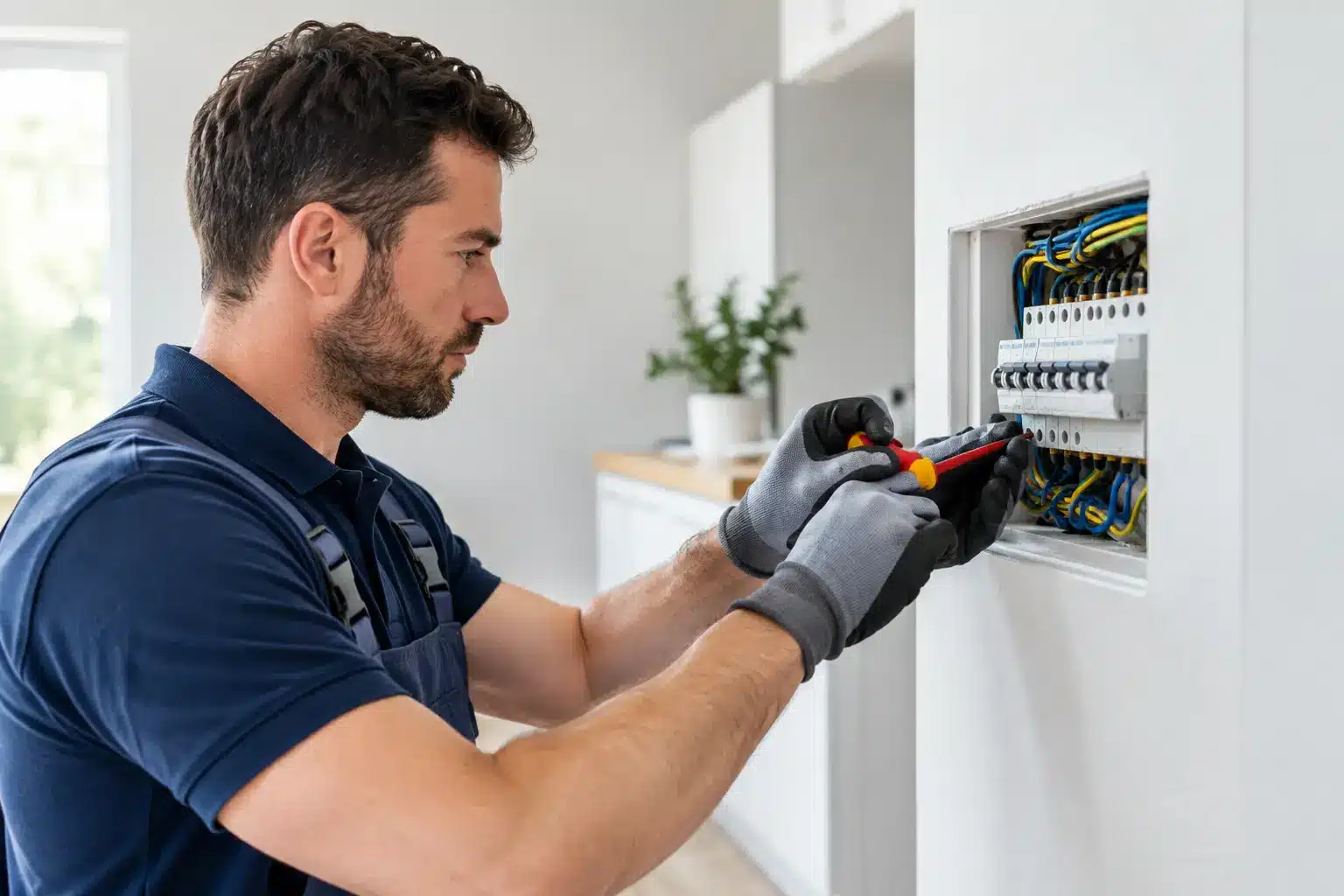
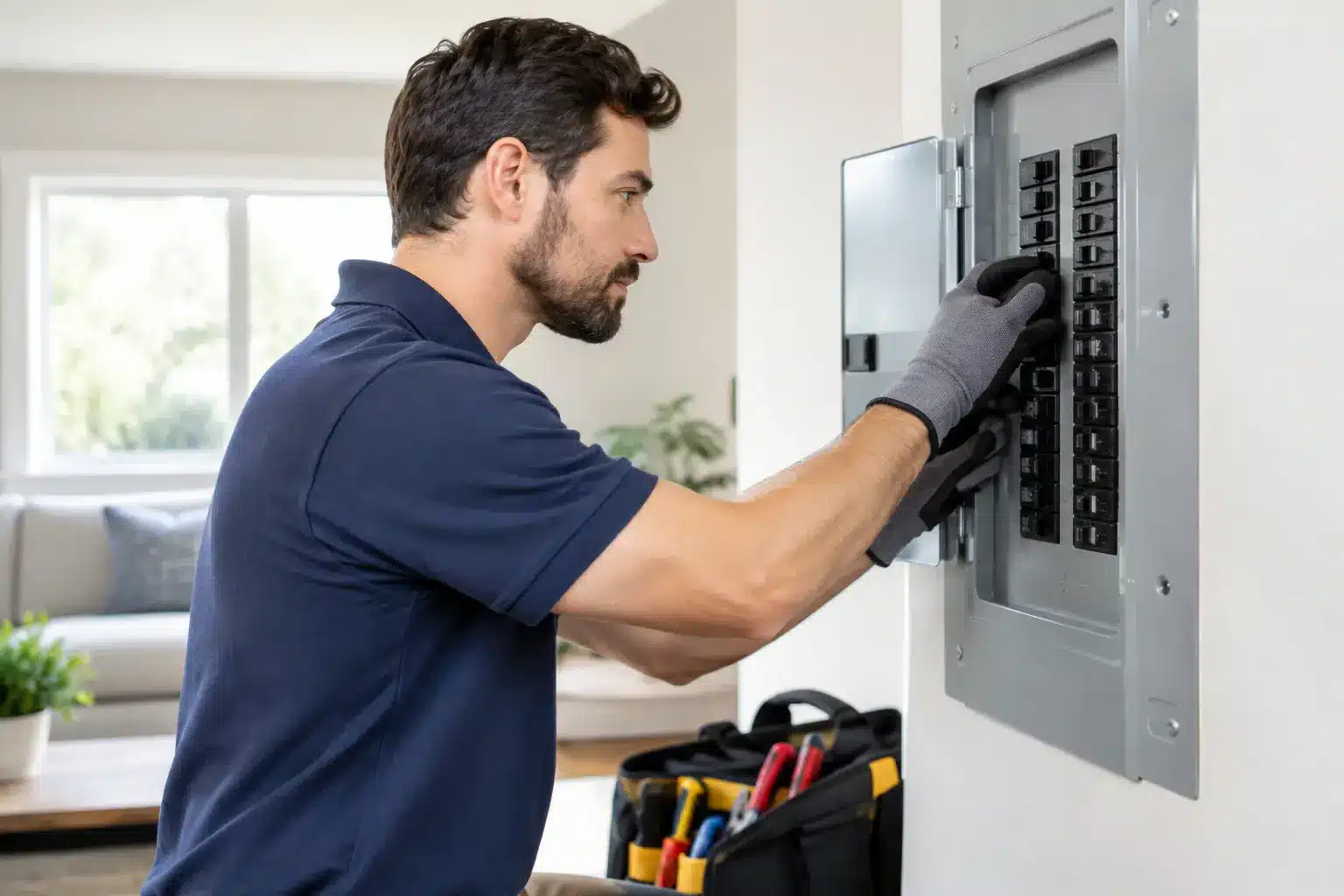
A new consumer unit, an EICR or a fault repair can look straightforward once the work is complete. The real test is whether the installation is safe, properly inspected and supported by the right paperwork. That is where the NAPIT registered electrician benefits matter to homeowners, landlords and business owners.
NAPIT is a government-authorised Competent Person Scheme operator for electrical work. Registration is not simply a badge on a van. It shows that an electrician or electrical contractor has met entry requirements and is assessed against the standards expected for the work they undertake. For customers, it provides a sensible starting point when choosing who to trust with an electrical installation.
What does NAPIT registration mean?
A NAPIT-registered contractor is assessed to confirm that their work, technical knowledge, procedures and equipment meet the scheme’s requirements. They must be able to demonstrate competence in the areas they are registered for and work in accordance with current electrical regulations.
This does not mean that every electrical job requires the same process or certificate. Replacing a damaged socket is very different from rewiring a house or installing a new circuit for an electric shower. However, a registered electrician understands where notification, inspection, testing and certification are required, rather than treating every job as a quick repair.
For work in domestic properties, NAPIT registration can also allow a contractor to self-certify certain notifiable electrical work under the Building Regulations. This removes the need for the householder to make a separate Building Control application for qualifying work. The relevant notification and certificate should then be handled through the proper route.
NAPIT registered electrician benefits for homeowners
For most households, the main benefit is confidence that safety is being considered before convenience. Electrical faults can be hidden behind walls, within consumer units or in ageing accessories. A competent electrician does not just replace the visible failed part. They investigate why it failed, test the affected circuit and identify whether there is a wider issue that needs attention.
Safer decisions, not just faster fixes
A tripping circuit may be caused by a faulty appliance, moisture ingress, damaged cabling or an overloaded circuit. The quickest answer is not always the safest one. A NAPIT-registered electrician is expected to use suitable test equipment and follow recognised procedures to identify the fault correctly.
That approach is particularly valuable in older homes, where additions may have been made over many years. An extension, loft conversion or garden office can place new demands on an installation that was never designed for modern electrical use. A professional assessment helps determine whether a repair is enough or whether an upgrade is the safer long-term option.
Proper certificates after relevant work
Certification proves more than the fact that somebody visited your home. Depending on the work carried out, you may receive an Electrical Installation Certificate, a Minor Electrical Installation Works Certificate or an Electrical Installation Condition Report. These documents record the work, test results and any observations that need attention.
Keep them with your property records. They can be useful when selling your home, making an insurance query or planning future electrical work. They also give the next electrician a clear record of what has been installed and tested.
Building Regulations handled correctly
Some domestic electrical work is notifiable under Part P of the Building Regulations. Work such as a new circuit or consumer unit replacement may fall into this category. Using a contractor registered for the relevant work helps ensure the notification process is not overlooked.
The practical benefit is less admin for the homeowner, but the bigger benefit is traceability. You have a record that the work was completed through a recognised competent person scheme route. If an electrician cannot clearly explain what certification applies to your job, it is worth asking further questions before work begins.
Why landlords and property managers benefit
Landlords have specific legal duties to keep electrical installations safe. In rented homes in England, an Electrical Installation Condition Report is generally required at least every five years, or sooner if the previous report recommends it. Any remedial work identified as necessary must be dealt with within the required timescales.
A NAPIT-registered electrician can provide a methodical inspection, explain observations in plain terms and issue the appropriate documentation. This makes it easier to show that you have taken reasonable steps to meet your obligations and protect tenants.
Property managers also need reliable records across multiple addresses. A clear report helps prioritise urgent defects, plan non-urgent improvements and avoid repeating work because the original findings were unclear. The cheapest quote is not always the best value if it produces poor paperwork, limited testing or no support when questions arise afterwards.
The business case for compliant electrical work
For offices, shops, schools, hospitality venues and industrial premises, electrical safety affects far more than the installation itself. A poorly planned shutdown can interrupt trading. An unresolved fault can affect lighting, refrigeration, IT equipment, machinery or emergency systems. An inadequate inspection record can create problems during an audit or insurance review.
A registered electrical contractor brings structure to this work. That includes agreeing the scope, carrying out appropriate inspection and testing, recording results, and explaining any remedial actions. For a busy business, this can mean scheduling work around operating hours, isolating circuits safely and reducing unnecessary disruption.
There is a trade-off to consider. An older installation may need phased improvements rather than a full replacement at once, particularly where budgets or operational constraints are tight. A good electrician will identify immediate safety concerns first, then distinguish them from advisable upgrades that can be planned sensibly.
Registration is valuable, but ask the right questions
NAPIT registration is a strong sign of professionalism, but it should not replace a sensible conversation about your particular job. Registration may cover specific scopes of work, and electrical projects vary considerably. A specialist commercial installation, for example, may need experience beyond a routine domestic repair.
Before appointing an electrician, ask what work is included, whether inspection and testing are included, what certificate you will receive and whether any Building Regulations notification is required. For larger projects, request a written quotation that explains the proposed work rather than relying on a vague allowance.
It is also reasonable to ask about disruption, isolation periods and what happens if the electrician finds hidden faults. Electrical work often uncovers issues that cannot be seen at the quotation stage, such as damaged cables, poor connections or circuits that do not meet current standards. Clear communication prevents an unexpected finding becoming an unexpected dispute.
When local experience makes a practical difference
Using a local contractor can make follow-up support easier, particularly for faults, remedial works and occupied properties. Homeowners and businesses in Stevenage and the surrounding Hertfordshire area often need an electrician who can respond promptly while still providing the formal testing and certification expected from professional work.
C.K Electrical Contractors combines more than 20 years of experience with NAPIT registration, serving domestic, commercial and industrial customers with planned electrical work and 24-hour emergency callouts. For an urgent fault, fast attendance matters. For an EICR, rewire or consumer unit replacement, careful planning and accurate documentation matter just as much.
Choose evidence, clarity and safe workmanship
Electrical work should leave you with more than a working light fitting or a reset circuit. You should know what was found, what was done, whether the work was tested and what paperwork to retain. Those are the everyday NAPIT registered electrician benefits: safer decisions, accountable workmanship and confidence that the job has been handled properly.
When requesting a quote, ask the electrician to explain the testing and certification that will follow your specific job. A contractor who is clear before work starts is far more likely to leave your property safe, compliant and easy to manage afterwards.