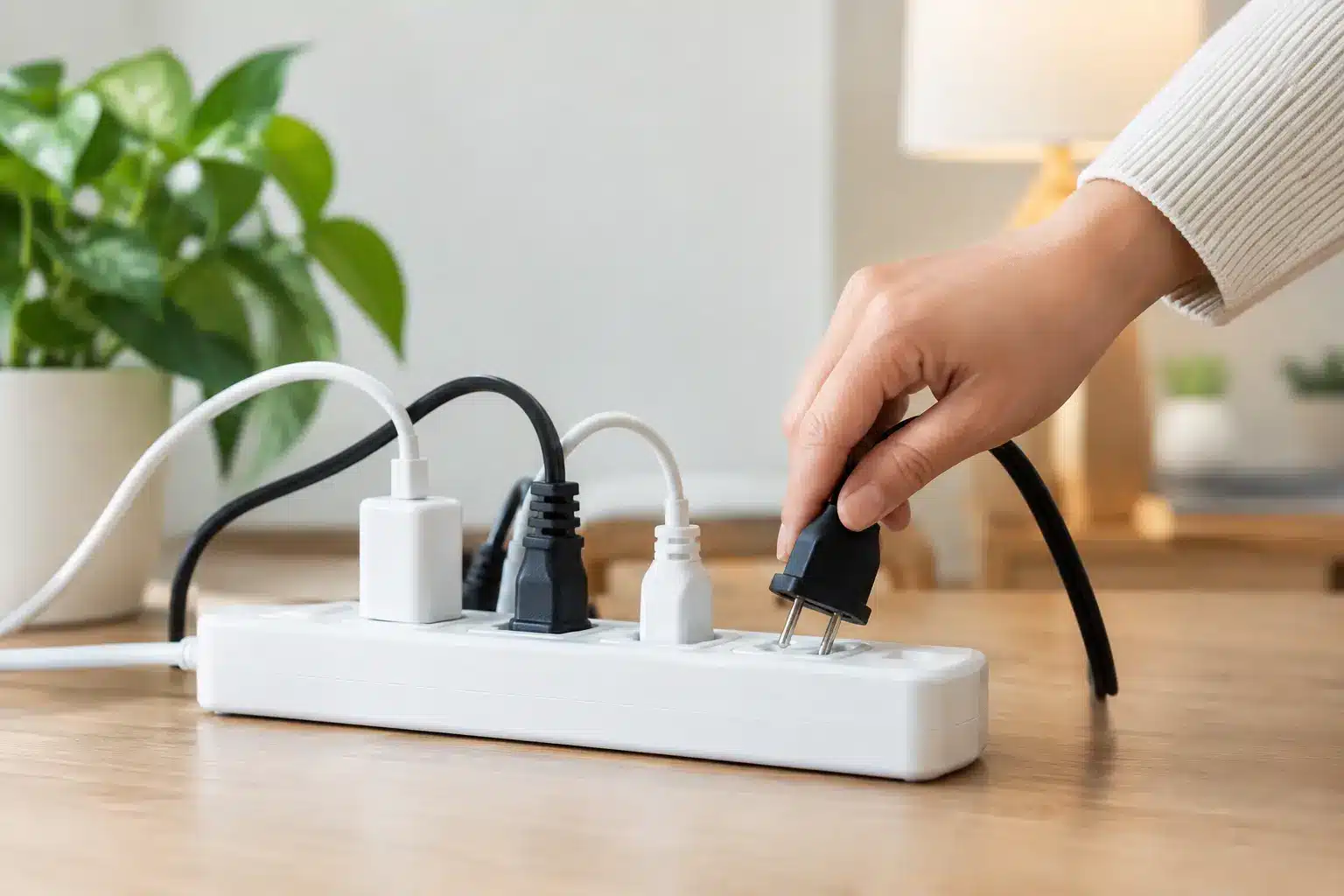
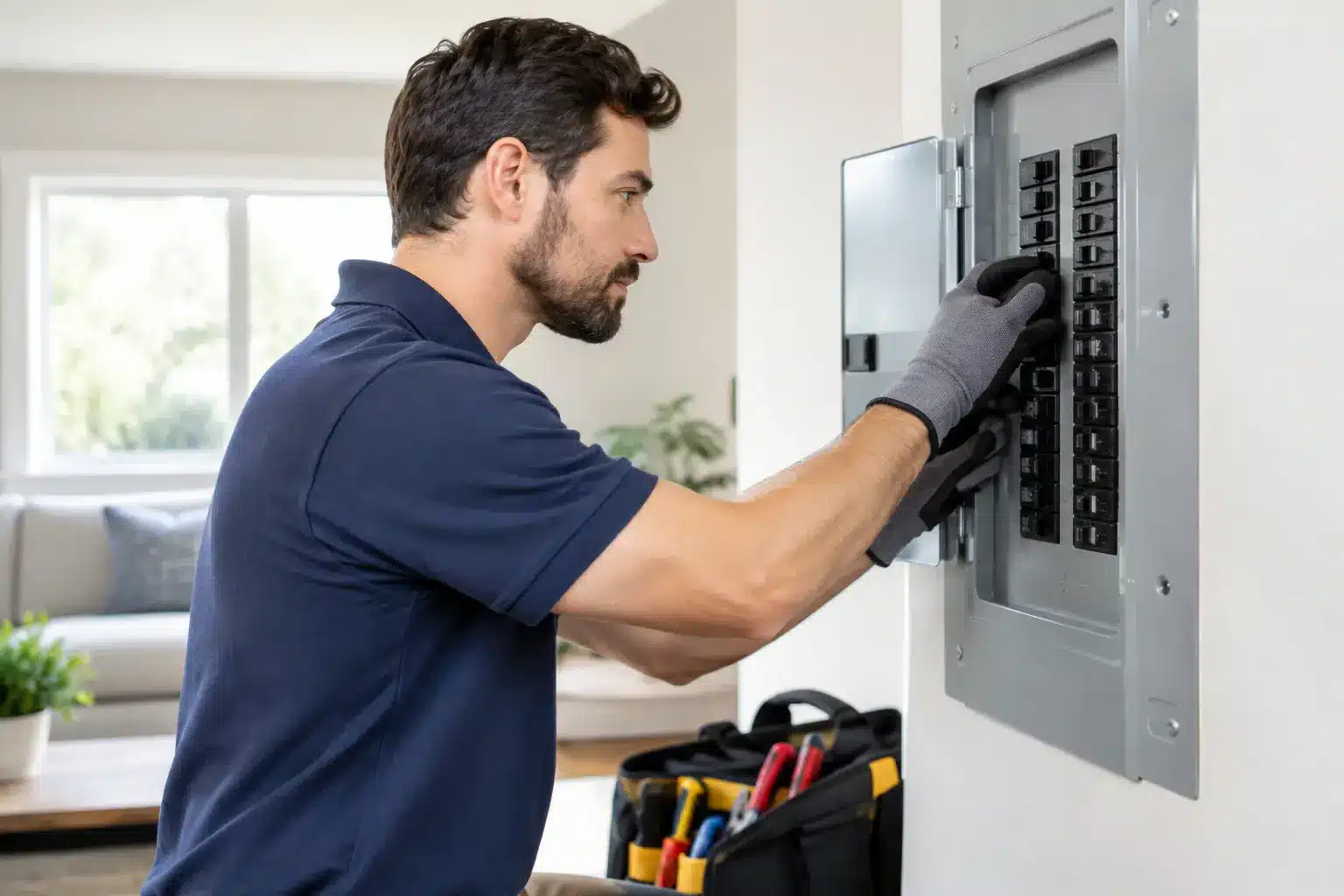
A tripping fuse board, flickering lights or a socket that feels warm to the touch rarely stay small problems for long. If you are weighing up why choose a professional electrician rather than taking a chance on a quick fix, the short answer is safety – but that is only part of the picture. The real difference is in how the job is diagnosed, completed, tested and signed off so it stays safe after the van has left.
Why choose a professional electrician for electrical work?
Electricity is not forgiving. A loose connection behind a socket, an overloaded circuit or a poorly installed consumer unit can sit unnoticed until it causes damage, downtime or a serious shock risk. Professional electricians are trained to spot not just the obvious fault, but the underlying issue that led to it.
That matters whether you own a house, manage rented property or run a business. The goal is not simply to get the lights back on. It is to make sure the installation is safe, compliant and fit for the way the building is actually being used.
A professional also brings a methodical approach. Fault finding, testing and certification are part of the job, not optional extras. That gives you more confidence than a patch repair that may need revisiting a few weeks later.
Safety comes first, and it is not just about shocks
Most people associate bad electrical work with electric shock, but the bigger risk in many properties is fire. Faulty wiring, damaged accessories, overloaded circuits and poor terminations can all create heat where there should be none. In homes, that can put families at risk. In commercial premises, it can threaten staff, customers, stock and business continuity.
A professional electrician understands how to assess those risks properly. They know when a repair is suitable, when a component needs replacing and when a wider issue points to ageing wiring or a system that no longer matches modern demand.
There is also the question of isolation and testing. Making a circuit safe to work on is basic professional practice, but it is one of the main areas where unqualified work can go badly wrong. A job that looks simple from the outside often involves more than swapping one fitting for another.
Compliance is not paperwork for the sake of it
In the UK, electrical work is tied closely to safety standards and building regulations. That applies in different ways depending on the property and the type of work being carried out. Landlords have legal duties around electrical safety. Businesses have responsibilities to provide a safe environment for staff and visitors. Homeowners may need work completed and certified correctly, particularly for major alterations, rewires and consumer unit changes.
This is one of the clearest answers to why choose a professional electrician. You are not just paying for labour. You are paying for work that aligns with current regulations and can be backed up with the right testing and documentation.
If an installation needs an EICR, minor works certificate or electrical installation certificate, that should not be an afterthought. Proper certification provides a record of what was done and evidence that the work was checked. That can matter when selling a property, managing rentals, dealing with insurers or proving compliance in a commercial setting.
Experience saves time as well as trouble
Electrical faults are not always straightforward. The issue you can see is often only the symptom. A socket may stop working because of a fault elsewhere on the circuit. Lighting problems may be linked to poor connections, failed accessories or deeper issues within the wiring. Repeated tripping may point to insulation breakdown, overloaded circuits or a fault in an appliance.
An experienced electrician knows how to narrow that down quickly. That reduces wasted time, avoids unnecessary replacement of parts and lowers the chance of the same problem returning. For customers, that usually means less disruption and better value over the life of the repair.
This is especially important in business premises, where downtime has a cost. Shops, offices, schools, hospitality venues and industrial sites often cannot afford repeated visits for the same issue. Professional diagnosis helps get to the right solution faster.
The cheapest option is not always the most economical
It is understandable to compare prices. Everyone wants fair value. But with electrical work, the lowest upfront quote can become the most expensive choice if corners are cut.
Poor workmanship can lead to repeat callouts, damaged equipment, failed inspections and larger remedial works later on. In rental property, that can mean tenant complaints and delays in meeting legal obligations. In commercial premises, it can mean disruption, safety concerns and reputational damage.
A professional electrician should be clear about what the quote covers, what standards the work will meet and whether testing and certification are included. That level of clarity is often a better sign of value than a low figure on its own.
Professional electricians are equipped for emergencies
Electrical problems do not wait for a convenient time. Loss of power, burning smells, sparks, water-related faults or a board that keeps tripping need urgent attention, not guesswork.
In those situations, response matters, but so does competence under pressure. A professional emergency electrician should be able to make the installation safe, identify the cause and advise whether a temporary fix is acceptable or whether immediate remedial work is needed.
For homeowners, that means reassurance at a stressful time. For landlords and businesses, it means protecting occupants, reducing liability and restoring essential services as quickly as possible. A family-run contractor with proper experience and 24-hour availability can make a genuine difference when time matters.
Why choose a professional electrician for landlords and businesses?
Landlords and commercial clients often face a different level of responsibility than owner-occupiers. It is not simply about getting a repair done. It is about demonstrating that electrical systems are being managed properly.
For landlords, that may involve EICRs, remedial works after inspection findings, safe lighting and power for tenants, and confidence that any upgrades or repairs are documented correctly. For business owners and property managers, it may include planned maintenance, compliance checks, fault response and work scheduled to minimise disruption.
A professional electrician understands that the job has to work in the real world. In a rental, delays can affect tenants and lettings. In a workplace, access, timing and operational continuity all matter. The right contractor will balance safety, compliance and practicality rather than treating every site the same way.
Good workmanship shows up after the job is finished
A lot of electrical work looks neat on the day. The real test is what happens months later. Do the circuits perform properly under normal demand? Has the fault actually been resolved? Is the installation easy to inspect, test and maintain in future?
Professional standards tend to show in the details. Correct cable sizing, proper circuit protection, sound terminations, suitable accessories and accurate testing are not glamorous, but they are what make an installation safe and dependable.
This is why experienced local contractors continue to be trusted by repeat customers. Whether the job is a fuse board replacement, a rewire, an EICR or remedial work, people remember when the process is handled properly from start to finish.
Local knowledge can be useful, but standards matter more
There is value in using an electrician who understands local property types and serves the area regularly. Homes and commercial buildings in places such as Stevenage, Hitchin and Letchworth can vary widely in age, layout and wiring history. Familiarity with those kinds of properties can help with fault finding and planning upgrades.
Still, local presence only matters if it comes with proper qualifications, registration and consistent standards. A nearby electrician should not just be convenient. They should be able to turn up, assess the job properly and complete it to a professional standard.
That is why customers often look for established contractors with recognised registration, a strong track record and the ability to handle both planned work and urgent callouts. C.K Electrical Contractors is built around that approach, with practical experience across domestic, commercial and industrial work.
Choosing properly now avoids bigger problems later
There are times when a minor job really is minor. Replacing a damaged fitting or resolving a straightforward fault does not always turn into a major project. But it still needs to be done safely and correctly. The risk with unqualified or rushed work is that you may not know there is a problem until much later.
If you are deciding who to trust with electrical work, look beyond the immediate fix. Ask whether the person carrying out the work can test it, certify it where needed, explain what they found and stand behind the result. That is usually the line between a short-term patch and a proper solution.
When electrical work is done well, you stop thinking about it. The power stays on, the circuits perform as they should and you are not left second-guessing whether the job was safe. That peace of mind is often the best reason of all to choose a professional electrician.