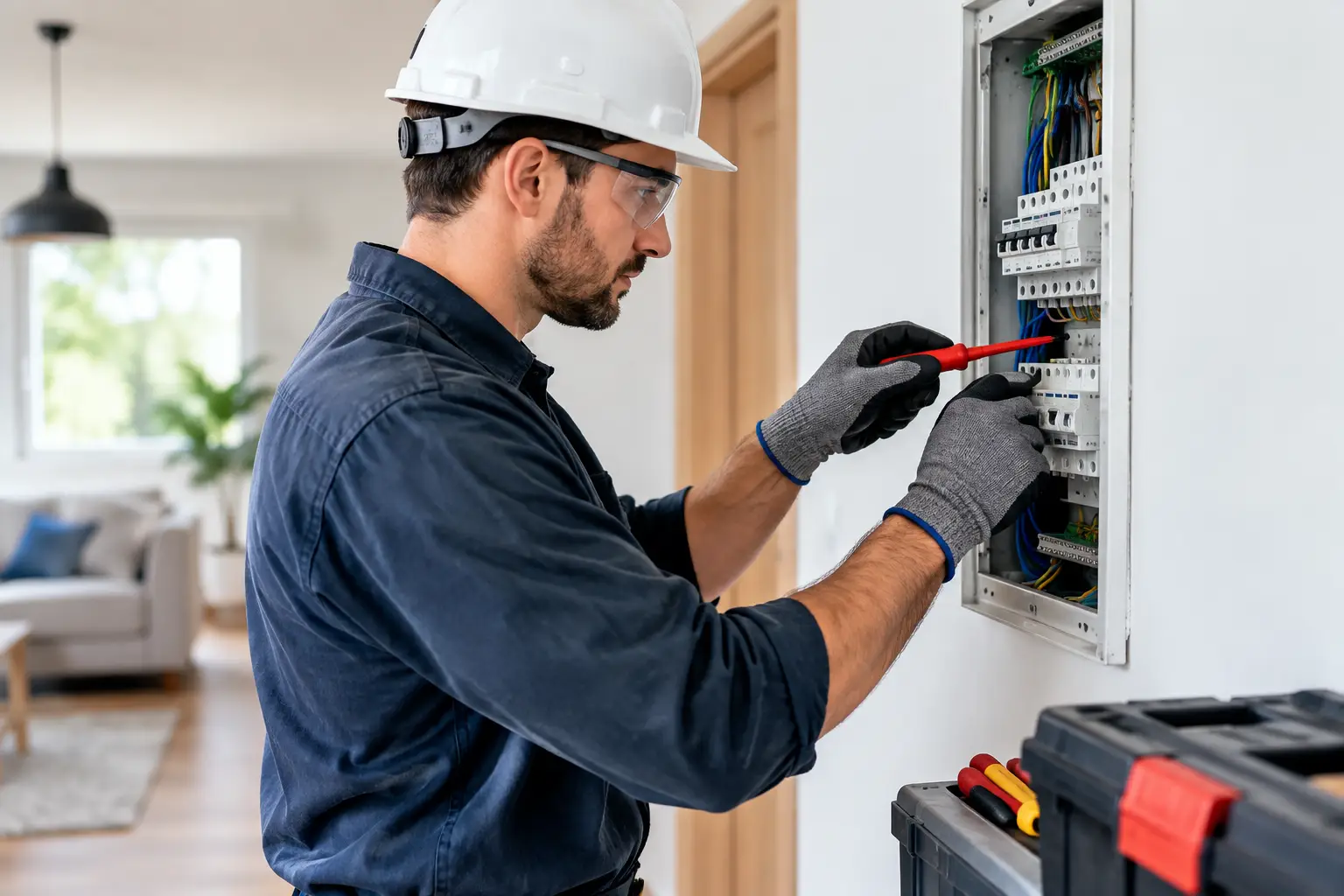
If you are searching for how to book an EICR, there is a good chance you need it sorted for a reason – a tenancy deadline, a house purchase, insurance, or simple peace of mind. The process is not difficult, but booking the wrong contractor or leaving out key details can slow everything down and leave you paying for return visits or extra remedial work.
An EICR, or Electrical Installation Condition Report, is a formal inspection of a property’s fixed electrical system. It checks whether the installation is safe for continued use and whether anything needs improvement to meet current standards. For landlords, it is often a legal requirement. For homeowners and businesses, it is one of the clearest ways to understand the condition of the electrics before problems become costly or dangerous.
How to book an EICR the right way
The best way to book an EICR is to treat it like a safety job, not a box-ticking exercise. Price matters, but experience, qualifications and the scope of the inspection matter more. A cheap quote can quickly lose its value if the contractor is vague about what is included, cannot carry out remedial works, or leaves you waiting days for the report.
Start by checking that the electrician or contractor is properly registered and experienced in inspection and testing. For this type of work, you want someone who understands the regulations, can explain findings clearly and is used to working in occupied homes, rented properties and trading premises. If you are booking on behalf of tenants or a business, reliability and communication are just as important as technical ability.
When you make your enquiry, give the contractor enough detail to quote properly. That usually includes the type of property, the number of bedrooms or floors, whether it is domestic or commercial, whether the power can be isolated during the test, and whether there have been any recent electrical alterations. If the property is tenanted, mention access arrangements at the start. That helps avoid delays later.
What an electrician will usually ask before confirming the booking
A proper EICR booking normally starts with a few practical questions. This is a good sign. It means the contractor is trying to assess the job accurately rather than giving a generic price and sorting out the details later.
They may ask how old the property is, whether the fuse board has been replaced in recent years, and whether there are any known issues such as tripping circuits, damaged sockets or old wiring. Commercial clients may also be asked about the type of premises, working hours and whether certain areas need to stay live during business operations.
This stage matters because not every EICR is the same. A modern flat with good access is very different from an older house with extensions added over time. Likewise, a small office is a different job from a workshop or hospitality site. The more accurate the information, the more accurate the booking and quotation.
Choosing the right contractor for the job
If you are comparing electricians, look beyond the first figure you are given. Ask what the price includes and what happens if faults are found. Some contractors only carry out the inspection and report. Others can also complete any remedial works needed to bring the installation up to a satisfactory standard.
That difference can be important. If an unsatisfactory report identifies faults, you may then need a second contractor to quote, return and carry out the repairs. That adds time and can complicate matters, especially if you are working to a tenancy deadline or trying to complete a property transaction.
It is also worth asking when the written report will be issued. Some clients assume the paperwork is immediate, but that is not always the case. A clear timeframe helps you plan, particularly if the EICR is part of a wider compliance requirement.
For property owners in Stevenage, Hitchin, Letchworth and nearby areas, choosing a local contractor can make the process easier. If access changes, remedial works are needed or a follow-up visit is required, a nearby electrician is usually in a better position to respond quickly.
How to compare EICR quotes properly
When looking at quotes, compare like for like. One contractor may include the report, testing time and certification, while another may quote a basic inspection price and add extras later. Ask whether the quotation covers the full inspection of the fixed wiring installation and whether there are any charges for out-of-hours attendance, larger consumer units or limited access.
You should also ask if remedial works are included in the original price. In most cases, they are not, because faults can only be priced properly once the inspection has been completed. That is normal. What matters is that the contractor is upfront about it.
A good quote should feel clear rather than clever. You should understand what you are booking, what happens on the day and what the next step is if the report comes back unsatisfactory.
Preparing for the appointment
Once you know how to book an EICR, the next step is making sure the visit runs smoothly. Access is the biggest issue. The electrician will need to inspect sockets, switches, light fittings, the consumer unit and other parts of the fixed installation. In some cases, furniture, stock or stored items can slow things down significantly.
Before the visit, make sure the consumer unit is accessible and clear access is available to as many outlets and circuits as possible. If the property is tenanted, it helps to let occupants know that the power may need to be turned off temporarily. For commercial sites, this may need a bit more planning if alarms, servers, fridges or machinery are affected by isolation.
If there are known faults, mention them in advance rather than waiting for the visit. It will not usually change the need for an EICR, but it can help the electrician plan the appointment and advise whether extra time may be needed.
What happens during the EICR
On the day, the electrician will carry out a visual inspection and electrical testing of the fixed installation. They are looking for wear and tear, damage, deterioration, poor workmanship, overloaded circuits and anything that may not comply with current regulations.
Some disruption is normal. Circuits may need to be isolated for safe testing, so lights, sockets and fixed equipment may be off for periods during the inspection. In a home, that is usually manageable with a little notice. In a workplace, timing matters more, so it is worth booking for quieter periods where possible.
After the inspection, the report will record observations and classify any issues found. If the installation is satisfactory, that gives you a clear record of its condition at the time of testing. If it is unsatisfactory, the report should explain why and what needs to be put right.
If the report is unsatisfactory
An unsatisfactory EICR does not always mean the whole installation is in poor condition. Sometimes the problem is limited to a few specific defects, such as inadequate earthing, damaged accessories or an older fuse board that no longer offers the right level of protection. Other times, especially in older properties, the list can be wider.
This is where booking with an experienced contractor pays off. You want clear advice on what is urgent, what is recommended and what the remedial works are likely to involve. A sensible electrician will explain the findings in plain English and help you understand the next step rather than leaving you to interpret codes on your own.
If timing matters, ask how quickly remedial works can be scheduled and whether a follow-up certificate or written confirmation will be issued once the defects are corrected.
Common mistakes people make when booking
The biggest mistake is waiting until the last minute. That is especially common with landlords, where legal deadlines can create pressure. If access falls through or repairs are needed, you want enough time to put things right without rushing.
Another common issue is booking based on price alone. A low figure can look attractive until you realise the report is delayed, the quote did not cover the full scope, or the contractor is not set up to carry out the follow-on work.
People also underestimate access requirements. If half the sockets are blocked by furniture or tenants were not informed properly, the inspection may be restricted. That can affect the outcome of the report and may require another visit.
When to book an EICR
For landlords, the timing is usually driven by legal obligations and tenancy cycles. For homeowners, it often makes sense before buying, selling, renovating or if the property has not been tested for many years. For businesses, the right interval depends on the type of premises, how the installation is used and insurer or compliance expectations.
If you have recently noticed tripping electrics, overheating outlets, flickering lighting or signs of ageing wiring, do not wait for a future date in the diary. Booking sooner is the safer option.
An EICR is not just paperwork. It is a practical check on whether your property’s electrical installation is safe to keep using. If you approach the booking properly, with the right information and the right contractor, the whole process becomes much more straightforward – and far more useful than a report filed away and forgotten.